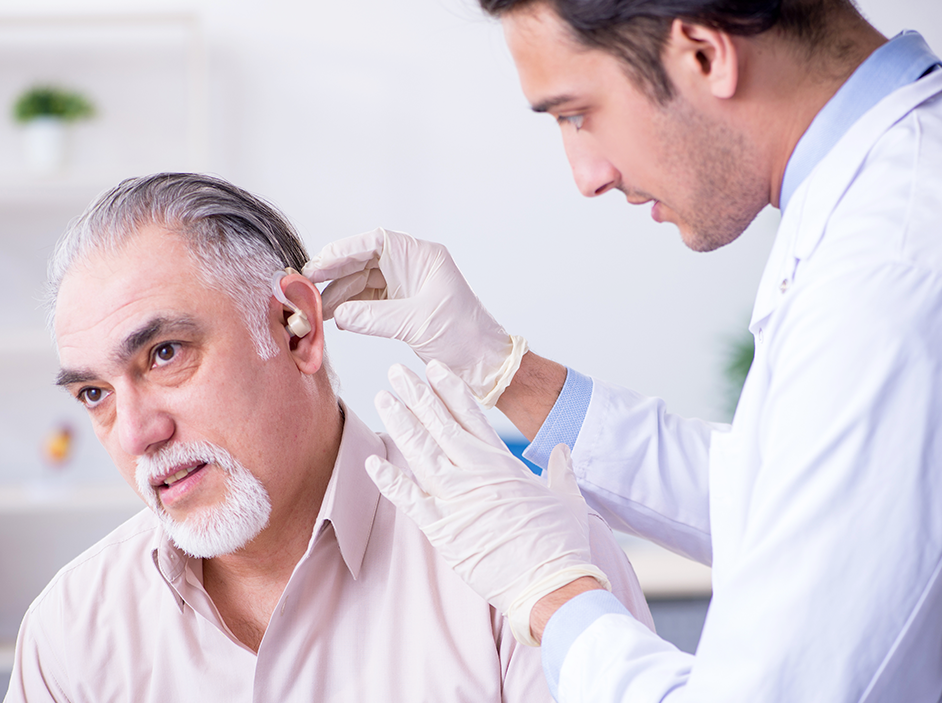
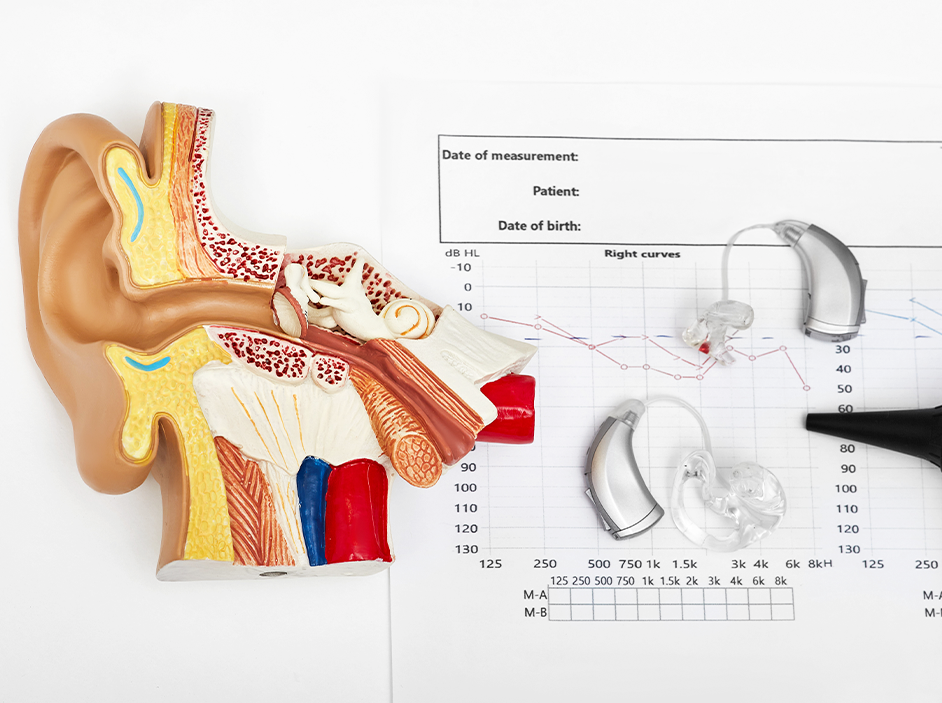
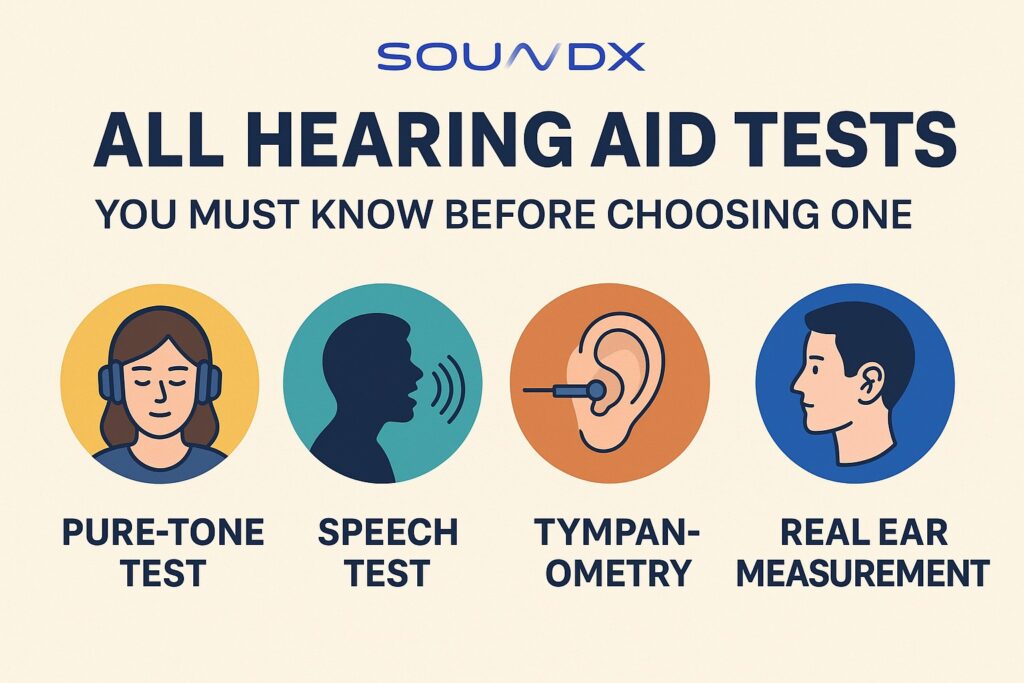
There are 7 main types of hearing tests that audiologists use, depending on your age and symptoms. These tests help them figure out exactly how well your ears are working and what kind of help you might need. Knowing about these tests beforehand makes the process easier and less scary. By understanding what to expect, you can confidently book your hearing check and take the first step toward better hearing.
Over 1.5 billion people worldwide experience some form of hearing loss, with 430 million of them requiring rehabilitation for disabling hearing loss, World Health Organization. By 2050, it’s projected that over 700 million people will have disabling hearing loss from the World Health Organization. Early detection through hearing tests can help prevent further issues and improve quality of life.
7 Types of Hearing Tests You Need to Know
1) Audiometry:
This test checks how well you hear different sounds, from very low to very high pitches. You wear headphones, and every time you hear a beep, you raise your hand or press a button. The results are shown on a graph called an audiogram, which helps the audiologist see what sounds you can and cannot hear.
2) Speech Testing:
This test checks how well you understand words and speech at different volumes. Sometimes it’s done in a quiet room, and sometimes in a noisy one to mimic real life. The results help the audiologist decide if you need a hearing aid or another device.
3) Tympanometry:
This test looks at how your eardrum moves. It can find fluid, wax buildup, or damage in your middle ear. A small probe goes into your ear, and different sounds and pressures are tested. The results are shown on a graph called a tympanogram.
4) Acoustic Reflex Measures and Static Acoustic Measures:
This test checks how well the muscles in your ear work, especially in children under 5. Loud sounds are played, and the audiologist sees if your ear responds. If the ear needs louder sounds to react, it may show hearing damage.
5) Electrocochleography (ECOG):
ECOG measures how your inner ear (cochlea) reacts to sound. Earphones play sounds, and electrodes on your forehead pick up responses. This test can detect certain conditions like Meniere’s disease.
6) Auditory Brainstem Response (ABR):
This test checks how fast sounds travel from your ear to your brain. It’s often done on babies or young kids. Earphones and small electrodes are placed near the ears and forehead. Sometimes kids need to sleep or get light sedation.
7) Otoacoustic Emissions (OAEs):
OAEs check if your inner ear hair cells are working. A small probe in your ear measures tiny sounds your ear makes when it hears noise. If your ear doesn’t make these sounds, it could mean hearing loss.
Hearing Loss Tests Compared: Find the Right One Fast
Test Name
What It Checks
How It Works
Best For
What It Detects
Audiometry
How well you hear different sound pitches (low to high)
Wear headphones and raise hand or press button when you hear beeps
All ages
Hearing loss at different frequencies; results shown on audiogram
Speech Testing
How well you understand words and speech at different volumes
Listen to words in quiet and noisy environments
People with communication difficulties
Speech comprehension issues; helps decide if hearing aid is needed
Tympanometry
How your eardrum moves
Small probe in ear tests eardrum with sounds and pressure changes
Middle ear problems
Fluid, earwax buildup, or eardrum damage; results shown on tympanogram
Acoustic Reflex & Static Acoustic Measures
How well ear muscles work when exposed to loud sounds
Loud sounds played to check if ear muscles respond properly
Children under 5 years old
Hearing damage if ear needs louder sounds to react
Electrocochleography (ECOG)
How inner ear (cochlea) reacts to sound
Earphones play sounds while electrodes on forehead measure responses
Inner ear disorders
Conditions like Meniere’s disease
Auditory Brainstem Response (ABR)
How fast sounds travel from ear to brain
Earphones and electrodes placed near ears and forehead; may require sleep or light sedation
Babies and young children
Brain’s response to sound; nerve pathway issues
Otoacoustic Emissions (OAEs)
If inner ear hair cells are working properly
Small probe in ear measures tiny sounds your ear makes when hearing noise
Newborn screening and early detection
Inner ear damage; no sound emission means possible hearing loss
Final Notes:
Hearing tests are safe and usually need no special preparation. Most people take two or more tests to get an accurate result. After the tests, your audiologist will suggest the best treatment, like therapy, a hearing aid, or sometimes surgery.
If you want a clear and comfortable hearing test experience, visit SoundX. Their experts use modern tools to check your hearing and help you find the right hearing aid for your needs. With SoundX, hearing better becomes simple, easy, and worry-free!
FAQ
1. What is an audiometry test? Audiometry checks how well you hear different sounds, from low to high. You wear headphones and raise your hand or press a button when you hear beeps.
2. What does a speech test do? A speech test shows how well you understand words in quiet or noisy places. It helps find speech comprehension problems and if you might need a hearing aid.
3. What is tympanometry for? Tympanometry checks how your eardrum moves. A small probe in your ear tests for fluid, wax buildup, or eardrum problems.
4. What are acoustic reflex tests? These tests see if your ear muscles respond correctly to loud sounds. They are usually done for young children under 5.
5. What is Electrocochleography (ECOG)? ECOG checks how your inner ear (cochlea) reacts to sound. Electrodes on your head measure responses to sounds in your ears.
6. What does an Auditory Brainstem Response (ABR) test show? ABR shows how fast sound travels from your ear to your brain. It’s mostly for babies and young kids, and sometimes they may need to sleep during the test.
7. What are Otoacoustic Emissions (OAEs)? OAEs test if your inner ear hair cells are working properly. A small probe in the ear measures tiny sounds your ear makes when hearing noise.
8. Do I need to prepare for a hearing test? No special preparation is needed. Most people do two or more tests to get accurate results. Your audiologist will then suggest the best treatment.
Dr S.M. Tarique Audiologist says:
Your hearing can reveal what’s happening inside your body. Your ears hear more than sound; they reflect your body’s overall health.
The fastest way to get used to new hearing aids is to wear them consistently every day, practice listening in different environments, and gradually increase usage while learning the device’s key functions like volume control, noise filtering, and Bluetooth connectivity. It’s also important to give your brain time to adjust to the new sounds and the physical sensation of wearing the device.
Over 430 million people worldwide live with hearing loss, and studies show that consistent hearing aid use can improve communication and quality of life by up to 30%. For those with long-term hearing loss, the brain may need extra time to relearn how to process sound, so starting with short, regular listening sessions and gradually increasing them helps. Following these steps allows users to enjoy clearer sounds, better speech understanding, and a more active lifestyle.
“SoundX visited an old age home to bring the gift of hearing to seniors, helping them reconnect with their loved ones and the world around them.”
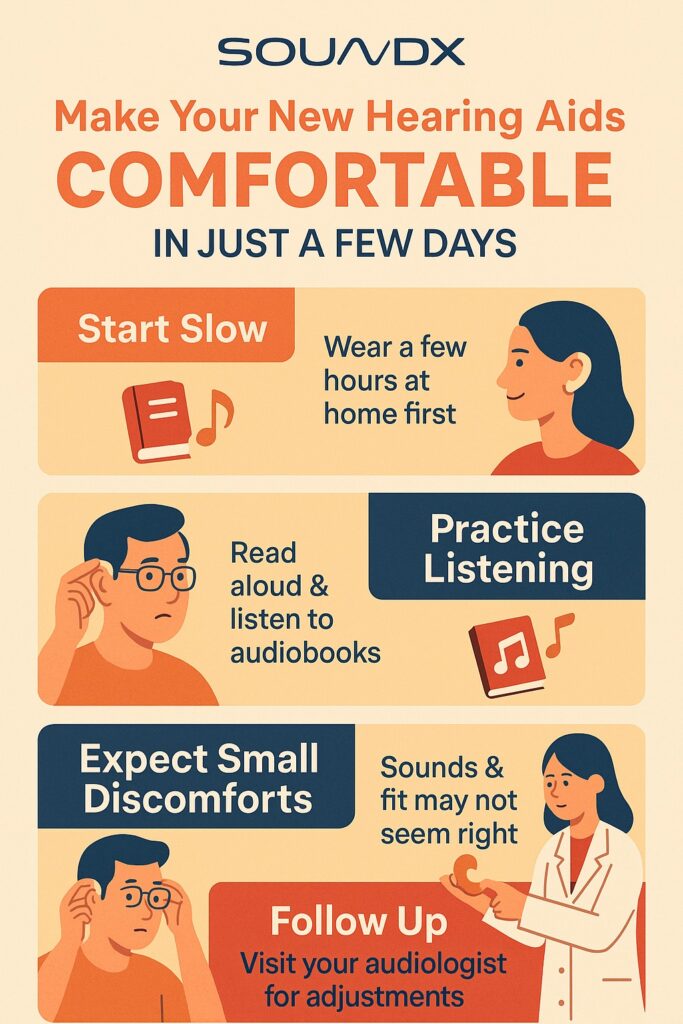
Practice these techniques to make your hearing aids feel natural quickly:
1. Wear Them a Little at First If this is your first hearing aid, don’t wear it all day right away. Start with a few hours at a time—around 8 hours or less—and slowly increase the time each day. The more you wear it, the better your brain becomes at understanding different sounds. But go slow and give yourself time to adjust.
2. Start in a Quiet Place For the first few weeks, use your hearing aid in calm, quiet places. This helps your brain recognize sounds better. Once your brain gets used to hearing in quiet places, it will be easier to handle noisy places like restaurants or shopping malls.
3. Practice Listening Exercises Spend some time each day listening to small sounds around you. Sit in a quiet room and notice things like a bird chirping, a clock ticking, or your own voice. Try reading out loud so your brain can connect words with the sounds you hear. You can also practice figuring out where sounds are coming from.
4. Check In with Your Audiologist Visit your hearing doctor one or two weeks after getting your hearing aid. They can adjust the device to make sounds clearer, improve the fit, or answer any questions you have. Regular check-ins help you get the best results.
5. Join Hearing Aid Classes If you can, join online or in-person classes for new hearing aid users. These classes teach useful tips, answer questions, and let you learn from other people who wear hearing aids.
6. Watch TV with Subtitles If you’ve had hearing loss for a long time, your brain may need practice connecting sounds with words. Turn on subtitles when watching TV or movies. Reading the words while listening helps your brain understand speech more easily.
Achieving Success with Your Hearing Aid
Using a hearing aid successfully takes time, patience, and practice. Here are some important tips to help you get the most out of your device.
1. Be Patient and Stay Positive It’s normal if your new hearing aid feels strange at first. Don’t get frustrated if you can’t adjust in the first few days. Be patient and keep a positive attitude. The more you focus on improving your hearing, the easier it will become to adapt. If you stick with it through the first few weeks, you’ll see much better long-term results.
2. Have Realistic Expectations Hearing aids improve your hearing, but they don’t make it perfect. Don’t expect to hear everything clearly right away. Instead, focus on small improvements every day. Celebrate the progress you make, even if it’s just noticing sounds you hadn’t heard before.
3. Learn About Your Hearing Understanding your hearing loss helps you use your hearing aidbetter. Read about your condition, learn how hearing aids work, and know what features might help you most. Being informed will make it easier to manage your hearing loss successfully.
4. Practice Every Day Wear your hearing aid regularly and practice listening exercises daily. Start in quiet places, then move to slightly noisier environments. Over time, your brain will get used to different sounds, and listening will feel automatic. Try to wear your hearing aid during most of your waking hours as you get more comfortable.
Complete Guide to Adjusting to New Hearing Aids
Adjustment Method
Time Frame
Starting Point
Daily Duration
Key Actions
Benefits
Success Tips
Expected Results
Difficulty Level
Professional Support
Gradual Wearing Schedule
First 2-4 weeks
Any comfortable setting
Start 8 hours or less, increase daily
Wear device consistently but not all day initially, slowly extend wearing time each day
Brain adapts without overwhelm, builds tolerance naturally
Don’t rush – increase by 1-2 hours every few days, listen to your body
Better long-term comfort and sound recognition
Easy
Minimal – audiologist guidance helpful
Quiet Environment Practice
First 2-3 weeks
Calm quiet places like home or library
Multiple hours daily in peaceful settings
Use device only in quiet spaces before introducing noise
Brain learns to recognize individual sounds clearly first
Stay in quiet rooms, avoid restaurants and malls initially
Easier transition to complex noisy environments later
Easy
None required
Daily Listening Exercises
Throughout adjustment (ongoing)
Quiet room at home
15-30 minutes per day
Focus on small sounds – birds chirping, clock ticking, your own voice
Improves sound identification and spatial awareness
Practice locating where sounds come from, notice quiet details
Enhanced ability to identify and locate sound sources
Moderate
Optional – classes can help
Read Aloud Practice
First 4 weeks daily
Any quiet space
10-20 minutes per session
Read books, articles, or news out loud while wearing device
Connects words with sounds heard through hearing aid
Choose interesting material, speak at normal volume
Better word-sound association and speech clarity
Easy
None required
TV Subtitle Training
First 4-6 weeks (critical for long-term hearing loss)
Home entertainment area
During all TV and movie viewing
Always turn on subtitles while watching any content
Brain reconnects sounds with visual words, faster comprehension
Watch familiar shows first, read and listen simultaneously
Dramatically improved speech understanding
Easy
None required
Audiologist Follow-ups
Week 1-2, then regularly as needed
Audiology clinic or office
30-60 minutes per appointment
Professional device adjustments, fit optimization, ask questions
Customized settings for optimal clarity and comfort
Bring written list of concerns, be specific about issues
Perfect device tuning and troubleshooting
Easy
Essential – required
Support Groups and Classes
Ongoing throughout process
Online platforms or in-person venues
1-2 hours weekly or monthly
Join hearing aid user communities, attend workshops
Learn from experienced users, get practical tips and emotional support
Ask questions freely, share your experiences with others
Faster problem-solving and reduced frustration
Easy
Optional but recommended
Patient Positive Mindset
Entire adjustment period (3+ months)
Daily mental practice
Ongoing every day
Stay positive, don’t get frustrated, focus on small improvements
Reduces stress, prevents device abandonment
Remind yourself adjustment is normal and takes time
Higher success rate and continued device use
Moderate
Optional counseling if struggling
Realistic Expectations Setting
Before and during adjustment
Initial consultation
Daily mindset check
Understand hearing aids improve but don’t perfect hearing
Prevents disappointment, maintains motivation
Celebrate small wins like hearing new sounds
Sustained long-term satisfaction with device
Easy
Audiologist sets expectations
Educational Learning
First 2-4 weeks intensively
Self-study at home
2-3 hours initially, ongoing
Read about hearing loss, learn device features and functions
Empowered self-management, better troubleshooting
Focus on key features first – volume, programs, cleaning
Retreat to quiet if overwhelmed, use noise filters
Comfortable hearing in challenging environments
Moderate to Difficult
Audiologist adjustments help
Consistent Daily Practice
Minimum 8-12 weeks for full adjustment
Morning routine integration
Gradually increase from 8 to 14-16 hours daily
Wear device during all waking hours as comfort increases
Creates automatic listening habits, maximum benefit
Set phone reminders, make it part of morning routine
Device becomes second nature, worn without thinking
Moderate
Minimal after initial setup
Critical Success Factors: Wear consistently every day | Start in quiet environments | Increase time gradually | Practice listening exercises | Schedule audiologist follow-ups within 1-2 weeks | Use subtitles for speech training | Join support communities | Stay patient and positive | Set realistic expectations | Learn device features thoroughly
Remember: Adjusting to a hearing aid takes time, patience, and practice. Don’t hesitate to ask your hearing care professional for help if you face any issues. Once you get used to your device, it can make a big difference in your daily life, helping you communicate better and enjoy sounds around you.
Final Note: Getting used to your new hearing aid takes time, but it’s worth it. Be patient, practice every day, and follow your audiologist’s advice. Soon, hearing will feel natural again, and you’ll enjoy every sound around you.
If you need help choosing or adjusting your hearing aid, visit SoundX. They make hearing easy and comfortable with modern hearing aids and caring support.
FAQ
1. How long does it take to get used to hearing aids? Most people start feeling comfortable with their hearing aids in about 3 to 8 weeks. The more you wear them, the faster your brain adjusts to new sounds.
2. Should I wear my hearing aids all day right away? No. Start by wearing them for a few hours each day, then slowly increase the time. This helps your ears and brain get used to hearing again.
3. Why should I begin in quiet places? Quiet places help your brain learn to recognize sounds clearly without too much noise. Once you’re comfortable, you can start using them in louder places.
4. What are listening exercises? Listening exercises mean practicing small things like hearing birds chirp, a clock tick, or reading out loud. These help your brain understand and locate sounds better.
5. Why should I visit my audiologist after getting hearing aids? Your audiologist can check if your hearing aids fit well and adjust the settings so you hear more clearly. They can also answer any questions you have.
6. How do subtitles help with hearing? Watching TV or movies with subtitles helps your brain connect words with sounds again. It makes it easier to understand people when they talk.
7. What if my hearing aids feel uncomfortable? It’s normal for new hearing aids to feel strange at first. If they hurt or feel too tight, tell your audiologist so they can fix the fit.
8. What’s the most important thing to remember when using hearing aids? Be patient and positive! Getting used to hearing aids takes time, but if you wear them every day and practice listening, they’ll soon feel natural.
Dr S.M. Tarique Audiologist says:
Hearing loss is easier to fix when you catch it early. Most people wait too long and make it harder to recover clarity.
This content is for educational purposes only and does not replace professional medical advice. Always consult a qualified audiologist before choosing a hearing aid.
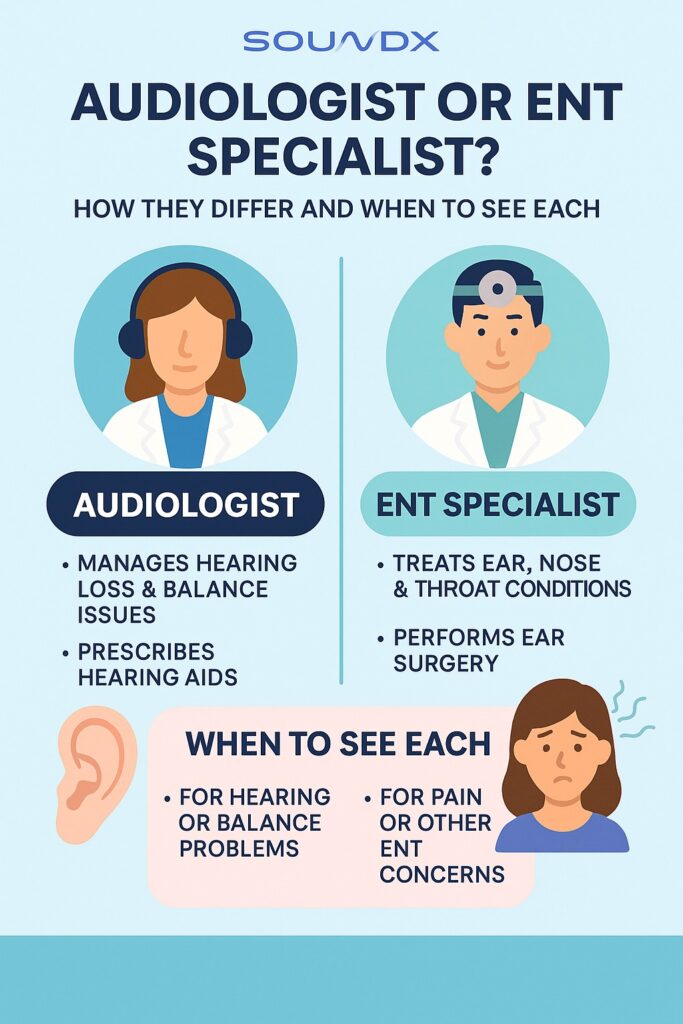
If you have trouble hearing, an audiologist is a healthcare professional who tests your hearing, fits hearing aids, and helps with issues like tinnitus, while an ENT specialist is a medical doctor who treats ear, nose, and throat problems and can perform surgery. Experts say starting with an audiologist is often best, as they can identify the problem and refer you to an ENT if needed. In the U.S., there are about 13,000 audiologists and 15,000 ENT specialists, and studies show professional hearing care can improve understanding of speech by 30–40% compared to using generic sound amplifiers.
“SoundX proudly participates in ISHACON 2025, Patna, Bihar — one of India’s largest and most respected audiology conferences!”
Capabilities of an Audiologist You Should Know
Audiologists are usually the first point of contact for any hearing-related concerns. They are mainly responsible for diagnosing and monitoring any type of hearing disorder, primarily issues pertinent to one’s auditory and vestibular systems. In other words, they should be consulted on matters of hearing damage or complete hearing loss. They can also help patients deal with auditory issues, including tinnitus and balance. In addition to offering support to their patients through the provision of medical hearing aids, they also assist them in improving their quality of life via counseling or communication training. In other words, audiologists mostly support patients with their hearing problems in non-intrusive ways.
If you’re curious about how professionals evaluate your hearing, learn about the hearing test process for a better understanding of what to expect during an appointment. In addition to offering support to their patients through the provision of medical hearing aids, they also assist them in improving their quality of life via counseling or communication training. Before getting fitted for a device, it’s important to understand all hearing aid tests that determine your specific hearing needs.
Capabilities of an ENT Specialist You Should Know
An ENT specialist (or otolaryngologist) is a doctor who treats problems with your ears, nose, and throat. They help patients with conditions like ear infections, sinusitis, sleep apnea, tonsillitis, and even certain cancers. Unlike audiologists, who mainly test hearing and provide hearing aids, ENT specialists can perform surgeries to fix hearing problems caused by infections, tumors, or other medical issues. Audiologists and ENT doctors often work together: an audiologist may refer you to an ENT for treatment, and an ENT may ask you to visit an audiologist to check your hearing progress.
Signs You Should See an Audiologist Immediately
If you are suffering from any type of hearing disorder, an audiologist is the first go-to medical practitioner for your needs. An audiologist plays a role in the diagnosis of a hearing condition, however, he/she seldom can prescribe any medication or administer therapeutics to patients. If the hearing loss is caused by any serious medical condition and is not a result of aging or exposure to loud noise, they usually suggest you consult an ENT specialist. So, when should you consult an audiologist?
Consult an Audiologist in the following scenarios:
Excessive Buildup of Earwax: Although they can’t perform a surgical procedure, an audiologist can help you remove excess earwax that gets built up in the ears over time.
Diagnosis of Hearing Problems: If you are experiencing any kind of hearing difficulties, reach out to an audiologist, who will help you diagnose the condition, the severity of the condition as well as the underlying factors that might have contributed to the hearing problem.
Tinnitus: Some individuals experience a constant ringing/buzzing in their ears, which can be high-pitched at times, and therefore, cause significant discomfort. Such hearing issues, if not severe, are usually treated by an audiologist.
Age-induced Hearing Loss: When age-related hearing loss is induced by age, it is usually corrected using a hearing aid. Generally, in such cases, no therapies are prescribed to the patients, or any surgical procedure is required. Therefore, an audiologist is perfectly capable of handling these cases. You can also check the difference between hearing aids and PSAPs to understand which device suits your level of hearing difficulty.
Although both ENT doctors and audiologists work together in most cases, they offer different levels of expertise when it comes to treating hearing-related conditions. An audiologist is often touted as a high-level hearing expert, whereas an ENT deals with much more complex hearing issues induced by underlying medical conditions. Further, an audiologist often follows a non-intrusive approach to treating hearing loss (through hearing aids), while an ENT specialist can prescribe medications, as well as perform surgeries if required. Now, the next time you face any hearing problem, make sure you contact the right medical professional to help you efficiently deal with it.
Bottom Lines: Audiologists and ENT doctors both help with hearing problems but in different ways. An audiologist checks how well you hear and helps you with hearing aids, while an ENT doctor treats ear, nose, and throat problems and can do surgery if needed.
If you’re not sure who to visit, start with an audiologist. SoundX can help you get your hearing tested and connect you with the right care — so you can enjoy clear, comfortable hearing again.
Signs You Should See an ENT Specialist Immediately
If an audiologist thinks you need extra help, they may send you to an ENT doctor. The ENT can do more detailed tests to find out why your hearing isn’t working properly. If the problem is caused by something serious, like an ear infection or a small tumor, the ENT can treat it with medicine or surgery to help you hear better.
Consult an ENT Specialist in the following scenarios:
Otosclerosis: This condition is also termed as fused bones, and results in hardening of bones inside the ear. This is usually a consequence of bone growth within the ear. Surgery by an ENT doctor is the most favorable treatment option for this condition.
Sensorineural Hearing Loss: People who experience sudden sensorineural hearing loss are usually not suitable candidates for conventional medical therapies or hearing devices. They need a thorough examination by an ENT doctor to check for the possibility of a severe infection or the presence of benign tumors.
Ear Injuries/Head Trauma: If the hearing damage is induced by a head injury, an ENT specialist should be consulted for suitable diagnosis and treatment.
Ototoxicity: Certain medications used for the treatment of cancer or serious heart ailments, can also cause loss of hearing. Such type of hearing loss is also overseen by an ENT specialist.
Balance: Balance-related issues, which are usually caused due to erratic movement of the base of the skull are evaluated by an ENT doctor.
Hearing Problems in Pediatric Population: As hearing loss in children is likely to be a consequence of a genetic disorder, an infection, or allergies, they need sophisticated and thorough evaluation by an ENT specialist before treatment.
Although both ENT doctors and audiologists work together in most cases, they offer different levels of expertise when it comes to treating hearing-related conditions. An audiologist is often touted as a high-level hearing expert, whereas, an ENT deals with much more complex hearing issues induced by underlying medical conditions. Further, an audiologist often follows a non-intrusive approach to treating hearing loss (through hearing aids), while an ENT specialist can prescribe medications, as well as perform surgeries if required. Now, the next time you face any hearing problem, make sure you contact the right medical professional to help you efficiently deal with it.
Audiologist vs ENT Specialist: A Comprehensive Comparison Guide
Understanding the Key Differences Between Hearing Healthcare Professionals
Feature
Audiologist
ENT Specialist (Otolaryngologist)
Professional Title
Healthcare professional specializing in hearing
Medical doctor specializing in ear, nose, and throat
Number in U.S.
Approximately 13,000
Approximately 15,000
Primary Focus
Diagnosing and monitoring hearing disorders; auditory and vestibular systems
Treating medical conditions of ears, nose, and throat; can address underlying causes
Treatment Approach
Non-intrusive methods (hearing aids, counseling, communication training)
Can prescribe medications and perform surgical procedures
First Point of Contact
Often the first professional to see for hearing concerns
Usually consulted after audiologist referral or for complex medical issues
Diagnostic Capabilities
Hearing tests and assessments Audiograms Tinnitus evaluation Balance disorder testing
Comprehensive medical examinations Advanced diagnostic testing Identification of underlying medical causes
Prescribing Authority
Cannot prescribe medications
Can prescribe medications
Surgical Capabilities
Cannot perform surgery
Can perform surgical procedures
Common Conditions Treated
Age-induced hearing loss Tinnitus (non-severe) Excessive earwax buildup General hearing difficulties Balance issues (assessment)
Hearing aid fitting and programming Hearing assessments Earwax removal (non-surgical) Tinnitus management Communication training Counseling
Medical treatment Surgical interventions Medication prescriptions Treatment of infections Tumor removal Complex diagnostic procedures
Referral Pattern
Refers patients to ENT when medical/surgical intervention needed
May refer patients to audiologist for hearing testing and hearing aid management
Level of Expertise
High-level hearing expert
Handles complex hearing issues with underlying medical conditions
Improvement Rate
Professional hearing care can improve speech understanding by 30-40% compared to generic amplifiers
Treats medical causes that may restore or improve hearing through intervention
When to See Them
Routine hearing problems Need for hearing aids Noise or age-related hearing loss Non-severe tinnitus Earwax removal
Suspected serious medical conditions Sudden hearing loss Head/ear injuries Medication-related hearing loss Pediatric hearing issues Need for surgery Infections or tumors
Collaborative Role
Works with ENT specialists; provides ongoing hearing care and monitoring
Works with audiologists; treats medical causes and performs necessary procedures
Conclusion
Audiologists and ENT specialists both play important roles in keeping your hearing healthy, but they focus on different aspects. An audiologist is usually the first professional to consult for hearing tests, hearing aids, and non-invasive treatments, while an ENT specialist handles medical conditions, infections, and surgeries related to the ears, nose, and throat. Working together, these professionals ensure you get the right care at the right time, improving your hearing and overall quality of life. If you notice any hearing issues, consulting the appropriate expert promptly can make a big difference in treatment and recovery.
If you’re not sure who to visit, start with an audiologist. SoundX can help you get your hearing tested and connect you with the right care — so you can enjoy clear, comfortable hearing again.
If you are from Lucknow and unsure whether you should see an audiologist or an ENT specialist, you can visit SoundX Lucknow. The clinic offers complete hearing checkups, audiometry tests, and guidance from certified audiologists who can assess your condition and refer you to an ENT if required.
FAQ
1. What does an audiologist do? An audiologist tests your hearing, helps fit hearing aids, and treats issues like tinnitus or balance problems. They mainly use non-invasive methods to improve your hearing.
2. What does an ENT specialist do? An ENT doctor treats ear, nose, and throat problems, including infections, tumors, and sinus issues. They can prescribe medicine and perform surgeries if needed.
3. When should I see an audiologist? See an audiologist for routine hearing problems, age-related hearing loss, tinnitus, or earwax buildup. They can test your hearing and suggest hearing aids if needed.
4. When should I see an ENT specialist? Visit an ENT if you have ear infections, sudden hearing loss, head or ear injuries, medication-related hearing problems, or need surgery for hearing issues.
5. Can an audiologist perform surgery? No, audiologists cannot perform surgery or prescribe medications. They focus on hearing tests, hearing aids, and non-surgical treatment.
6. Can an ENT specialist fit hearing aids? ENT specialists usually do not fit hearing aids, but they may refer you to an audiologist to help with hearing devices and ongoing hearing care.
7. Do audiologists and ENT doctors work together? Yes, they often collaborate. Audiologists may refer patients to ENTs for medical treatment, and ENTs may send patients to audiologists for hearing assessments and device fitting.
8. Can professional hearing care improve hearing? Yes, studies show professional hearing care can improve speech understanding by 30–40% compared to generic sound amplifiers, ensuring better hearing and quality of life.
Dr S.M. Tarique Audiologist says:
Not all hearing loss needs surgery . In fact most cases can be managed with modern hearing aids. But in some structural or medical cases, surgery can help.