Ear Machine for Old Age: Best Hearing Solution for Senior Citizens

An ear machine for old age provides safe and effective hearing support when chosen after a proper hearing test and fitted by a hearing care professional.

An ear machine for old age is a hearing aid that helps senior citizens hear sounds clearly, talk confidently, and manage daily life without stress. It makes soft sounds louder and speech clearer, especially in conversations. Using the right ear machine improves safety, communication, and independence in old age.

Is an Ear Machine Safe for Old Age?

Yes, an ear machine is safe for senior citizens when selected based on a hearing test and used with correct volume settings. Safety depends on proper fitting, gradual adjustment, and regular follow-ups.

Using an ear machine without professional guidance may cause discomfort or unclear sound.

Why Do Seniors Need an Ear Machine?

As people grow older, hearing ability naturally reduces because inner ear cells slowly weaken. This makes sounds unclear and conversations difficult to follow. An ear machine supports these weak cells by amplifying sound clearly and comfortably.

Key Facts: 

Around 63 million people in India are affected by hearing loss.Nearly 30–35% of people above 65 years experience age-related hearing problems.Untreated hearing loss can increase the risk of memory decline by up to 40%.Seniors using hearing aids report better communication and mental well-being.

What Is an Ear Machine?

An ear machine is another commonly used name for a hearing aid. It is a small electronic device that captures sound, processes it, and delivers clearer sound into the ear. Modern ear machines are lightweight, comfortable, and designed especially for seniors.

Types of Hearing Loss in Old Age

  • Age-related hearing loss (Presbycusis): Most common in seniors
  • Noise-related hearing loss: Due to long-term exposure
  • Mixed hearing loss: Combination of age and medical factors

A hearing test helps identify the type and severity before choosing an ear machine.

Common Hearing Problems in Old Age

Many older adults struggle to hear normal conversations clearly. They may increase TV volume, avoid phone calls, or feel tired during social interaction. These signs often indicate the need for an ear machine.

When Seniors Should Not Delay Hearing Support

Seniors should not delay using an ear machine if they:

  • Miss words in conversations
  • Avoid social interactions
  • Increase TV or phone volume often
  • Feel tired after listening

Early use improves comfort and long-term hearing success.

Signs That an Elderly Person Needs an Ear Machine

Many seniors do not realize their hearing is getting weaker because the change happens slowly. Common signs include difficulty understanding conversations, especially in noisy places, and frequently asking others to repeat words. Increasing TV or phone volume and avoiding social gatherings are also strong signs that an ear machine may be needed.

Hearing Test for Seniors: Why It Is Important

A hearing test helps identify the exact level and type of hearing loss in old age. Without proper testing, choosing the wrong ear machine can reduce comfort and clarity. Audiologists recommend hearing tests at least once a year after the age of 60.

When You Should NOT Choose an Ear Machine Without Testing

Seniors should avoid buying an ear machine without testing if:

  • Hearing loss started suddenly
  • There is ear pain, discharge, or dizziness
  • One ear hears much worse than the other

Medical evaluation is necessary in these cases.

Types of Ear Machines for Old Age

Behind-The-Ear (BTE) Ear Machine

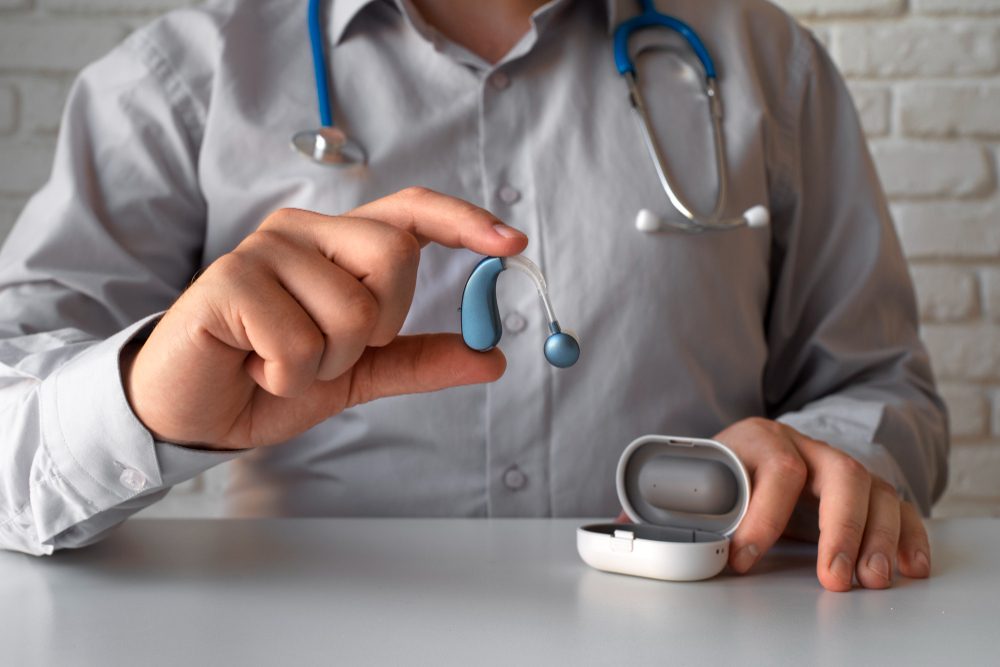
This type sits behind the ear and is suitable for moderate to severe hearing loss. It is easy to handle and ideal for seniors with weak fingers. BTE ear machines provide strong sound and long battery life.

In-The-Ear (ITE) Ear Machine

ITE ear machines fit inside the ear and are comfortable for daily use. They are suitable for moderate hearing loss and are easy to insert and remove. Many seniors prefer them for comfort and simplicity.

Receiver-In-Canal (RIC) Ear Machine

RIC ear machines are small and provide very clear sound quality. They are suitable for mild to severe hearing loss. These models balance power, comfort, and appearance.

Invisible Ear Machine (IIC)

Invisible ear machines sit deep inside the ear canal and are hardly visible. They are suitable for mild hearing loss only. Seniors need good handling ability to use this type properly.

Digital vs Analog Ear Machines for Old Age

Digital ear machines process sound more clearly and reduce background noise automatically. Analog ear machines simply make all sounds louder, which can feel uncomfortable for seniors. Today, most experts recommend digital ear machines because they offer better clarity and listening comfort.

Rechargeable Ear Machines for Seniors

Rechargeable ear machines are very helpful for elderly people who find changing batteries difficult. These devices can be charged overnight and used all day without interruption. Seniors prefer them because they are easy to handle and cost-effective over time.

Ear Machine for Old Age: Why Senior Needs Are Different

Ear machines for seniors focus on:

  • Easy handling
  • Comfortable fit for long hours
  • Clear speech understanding
  • Less manual effort (rechargeable options)

These needs are different from children or younger adults.

Comparison Table: Ear Machines for Old Age

TypeSuitable Hearing LossVisibilityEase of UseCost Range (India)
BTEModerate to severeVisibleVery easy₹10,000 – ₹2,50,000
ITEModerateLowEasy₹25,000 – ₹1,80,000
RICMild to severeVery lowEasy₹40,000 – ₹3,00,000
Invisible (IIC)MildAlmost invisibleMedium₹50,000 – ₹3,50,000

How to Choose the Right Ear Machine for Old Age

Degree of Hearing Loss

A hearing test by a professional helps decide the correct power level. Choosing the wrong power can reduce comfort and clarity.

Comfort and Fit

Seniors should be able to wear the ear machine for many hours without pain. Proper fitting improves sound quality and daily comfort.

Technology Features

Modern ear machines include noise reduction, feedback control, rechargeable batteries, and Bluetooth options. These features improve ease of use and listening comfort.

Budget Planning

Good ear machines are available in different price ranges. A hearing expert can suggest the best option based on need and budget.

Common Mistakes Seniors Make While Using an Ear Machine

Some seniors do not wear their ear machine regularly, which delays adjustment. Others set the volume too high or skip follow-up visits with the audiologist. Avoiding these mistakes helps achieve better sound clarity and long-term comfort.

Expert Insight from Audiologists

Audiologists recommend using an ear machine as soon as hearing loss is noticed. Early use helps keep the brain active and improves speech understanding. Regular hearing tests after age 60 help track changes early.

How Long Does It Take to Adjust to an Ear Machine?

Most seniors take a few weeks to adjust to an ear machine fully. In the beginning, sounds may feel louder or different than expected. Regular use and expert guidance help the brain adapt faster.

Facts vs Myths About Ear Machines

Facts

Ear machines improve communication and daily confidence. They help reduce loneliness and mental stress. Modern ear machines are safe, small, and comfortable.

Myths

Ear machines worsen hearing over time. Only very old people need hearing aids. They are painful and difficult to wear.

Extra Benefits of Using an Ear Machine in Old Age

Using an ear machine helps seniors stay socially active and confident. It improves safety by allowing them to hear alarms and traffic sounds. Regular use also supports better memory and emotional health.

Care Tips to Increase Ear Machine Life

Cleaning the ear machine daily helps prevent sound blockages. Seniors should keep it away from moisture and store it safely when not in use. Regular servicing increases performance and device lifespan.

Final Thoughts

An ear machine for old age is a reliable solution for age-related hearing loss. With proper testing, fitting, and expert guidance, seniors can enjoy clear hearing and better daily life. Early action always leads to better results.

For those looking for professional guidance, SoundX offers hearing tests, expert support, and personalized ear machine solutions designed especially for senior citizens.

Frequently Asked Questions:

1. Is an ear machine safe for old people?

Yes, ear machines are medically approved and safe for senior citizens when selected properly. They are designed for daily use and do not harm the ears. Proper fitting by a hearing professional ensures comfort and safety.

2. How many hours should seniors wear an ear machine daily?

Seniors should wear an ear machine for about 6 to 10 hours each day. Regular use helps the brain adjust to amplified sounds naturally. Consistent usage improves speech clarity over time.

3. Can an ear machine cure hearing loss?

No, an ear machine does not cure hearing loss permanently. It helps manage hearing problems by making sounds clearer and louder. Age-related hearing loss usually cannot be reversed.

4. Is it difficult for seniors to use an ear machine?

Modern ear machines are designed to be very easy for seniors to use. Many models work automatically without the need for buttons or adjustments. Audiologists provide guidance during fitting to make usage simple.

5. What is the price of an ear machine in India?

The price of an ear machine in India usually starts from around ₹10,000. Advanced models with more features can cost up to ₹3,50,000. The final price depends on technology and the level of hearing loss.

6. Do ear machines need regular maintenance?

Yes, ear machines need basic cleaning to work properly. Regular checkups help prevent sound and battery issues. Proper care increases the life of the device.

7. Can seniors wear ear machines with spectacles?

Yes, seniors can comfortably wear ear machines along with spectacles. Audiologists adjust the position to avoid discomfort. Both can be used together without any problem.

8. When should an old person start using an ear machine?

An ear machine should be used as soon as hearing difficulty is noticed. Early usage improves listening comfort and clarity. Delaying treatment can affect communication and confidence.

Hearing Aid Batteries: Everything You Must Know Before Buying

Using the right hearing aid battery ensures safe, comfortable, and reliable hearing support, but battery choice should always match your hearing aid model and daily usage.

Hearing aid batteries are small power cells that make your hearing aids work. Without the right battery, your hearing aid will stop working or may not give clear sound. That’s why choosing the correct battery size and type is important for good hearing every day.

Are Hearing Aid Batteries Safe to Use Daily?

Yes, hearing aid batteries are safe for daily use when used correctly. Safety depends on choosing the correct battery size, avoiding expired batteries, and following proper storage guidelines.

Using the wrong battery size or damaged batteries may affect sound quality or device performance.

Real Stats (Easy to Understand)

  • Around 72% of hearing aid users say battery life affects how happy they are with their device (Source: Hearing Review).
  • 1 out of 3 users forget to carry spare batteries, which often leads to sudden hearing aid shutdowns.
  • Rechargeable hearing aids are becoming popular — almost 60% of new hearing aid users choose rechargeable options (Source: MarketScope).

What Are Hearing Aid Batteries?

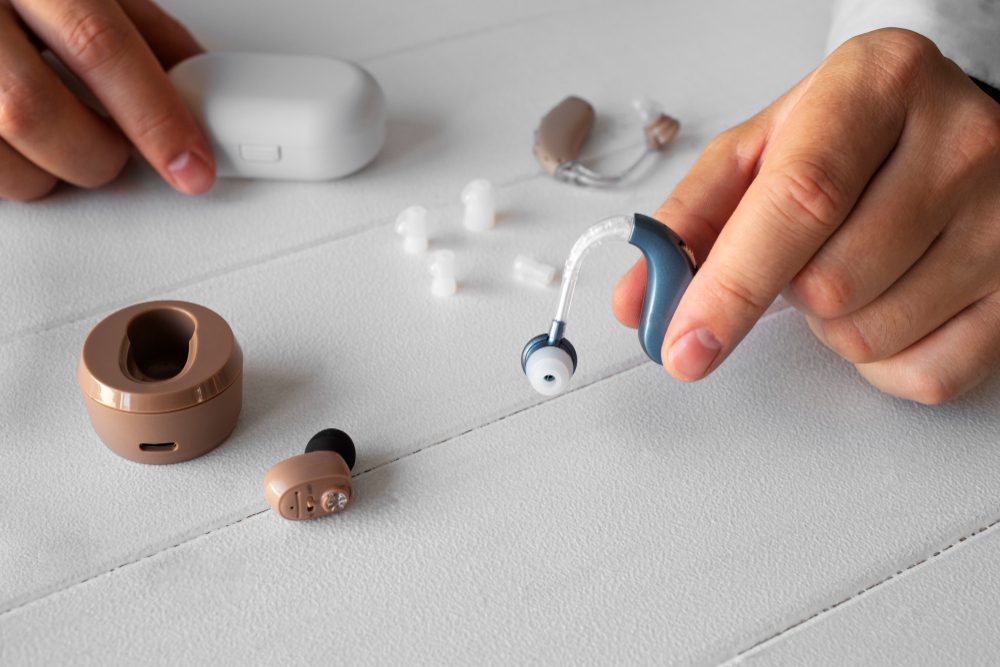
Hearing aid batteries are small, button-like batteries that give power to your hearing aids. They come in different sizes like 10, 312, 13, and 675. Each size fits a different type of hearing aid.

Types of Hearing Aid Batteries

1. Zinc-Air Disposable Batteries

These are the most common hearing aid batteries. They start working when you remove the sticker and let air enter.

Key Features

  • Affordable
  • Easy to replace
  • Used in most hearing aids

2. Rechargeable Hearing Aid Batteries

These batteries can be charged instead of replaced. Most modern hearing aids come with built-in rechargeable batteries.

Key Features

  • Long-lasting
  • Good for seniors
  • No need to buy batteries again and again

Types of Hearing Aid Users and Battery Needs

  • Light users: May find disposable batteries sufficient
  • Heavy daily users: Rechargeable batteries offer more convenience
  • Bluetooth/Streaming users: Batteries drain faster, rechargeable is often better
  • Seniors: Rechargeable batteries reduce handling difficulty in hearing aid for old age.

Disposable vs Rechargeable: Which Battery Should You Choose?

If you prefer low upfront cost and easy replacement, disposable batteries work well.

If you want daily convenience and less frequent replacement, rechargeable batteries are a better long-term choice.

How Long Do Hearing Aid Batteries Last?

Disposable Battery Life

  • Size 10 → 3–5 days
  • Size 312 → 5–7 days
  • Size 13 → 7–10 days
  • Size 675 → 10–14 days

Rechargeable Battery Life

  • One charge lasts 18–24 hours
  • Battery life: 2–3 years

Signs Your Battery Needs Replacement

  • Sound becomes low or unclear
  • You hear beeping inside your hearing aid
  • Hearing aid switches off suddenly
  • Your hearing aid feels slow to respond

When You Should NOT Use a Hearing Aid Battery

Avoid using hearing aid batteries if:

  • The battery is swollen or leaking
  • The sticker is already removed for a long time
  • The battery is expired
  • The hearing aid becomes unusually hot

In such cases, replace the battery immediately.

Tips to Make Batteries Last Longer

  • Turn off the hearing aid when not using it
  • Store batteries in a cool, dry place
  • Remove the sticker only when ready to use
  • Keep spare batteries with you always

Hearing Aid Batteries for Children and Seniors

  • Children: Battery compartments should always be locked for safety
  • Seniors: Rechargeable batteries reduce handling and vision strain

Always keep hearing aid batteries away from children and pets.

Hearing Aid Battery Comparison: Disposable vs Rechargeable

FeatureZinc-Air Disposable BatteriesRechargeable Batteries
Initial CostLow (per pack)Higher (built into device)
Long-term CostOngoing purchases neededNo repeat purchases
Battery Life Per Use3-14 days (varies by size)18-24 hours per charge
Total LifespanSingle use only2-3 years
ConvenienceNeed to carry sparesCharge overnight
Replacement FrequencyEvery few daysEvery few years
Best ForBudget-conscious usersSeniors, daily users
Environmental ImpactCreates wasteMore eco-friendly
AvailabilityWidely available in storesBuilt into specific models
Ease of UseRequires manual replacementSimple charging routine

Battery Size Comparison (Disposable Types)

SizeBattery LifeCommon Hearing Aid TypeColor Code
103-5 daysSmallest/Invisible aidsYellow
3125-7 daysMini BTE, In-CanalBrown
137-10 daysBTE, In-the-EarOrange
67510-14 daysPower BTE aidsBlue

Note: Battery life depends on hearing aid usage hours, streaming features, and hearing loss severity.

Bottom Line

Hearing aid batteries are a small part, but they play a big role in making your hearing aids work properly. Choosing the right battery and maintaining it well helps you hear clearly every day. If you want help selecting hearing aid batteries or hearing aids in Lucknow, SoundX is a great place to get reliable guidance and support.

FAQ

1. Which hearing aid battery size is best for me?

The best battery size depends on your hearing aid model. Small devices use small batteries, and bigger behind-the-ear models need larger ones. Your audiologist or battery chart can help you choose the correct size easily.

2. How long does a hearing aid battery last?

Most disposable batteries last between 3 to 14 days depending on the size. If you use Bluetooth or listen at high volume, they may drain faster. Rechargeable batteries last the whole day after one full charge.

3. How do I know my battery is dying?

Your hearing aid will sound weak or may start beeping. Sometimes it shuts off suddenly. This is a sign you need to replace or recharge your battery soon.

4. Are rechargeable hearing aids better than disposable batteries?

Rechargeable hearing aids are easier to use because you don’t need to change batteries. They are great for kids and seniors. Disposable batteries, however, are good for people who don’t want to charge daily.

5. Can I store extra batteries at home?

Yes, you can store them easily. Keep them in a cool and dry place—not in the fridge. Also make sure they stay inside their sealed pack until you are ready to use them.

6. Why does my battery drain so fast?

Battery drains faster due to long phone calls, loud volume, or moisture inside the hearing aid. Even cold weather reduces battery life. A quick check by an audiologist can help if the problem continues.

7. Is it safe to buy hearing aid batteries online?

Yes, it is safe if you buy from trusted sellers. Always check the expiry date and brand before ordering. Good-quality batteries help your hearing aid work better.

8. How do I make my hearing aid battery last longer?

Turn off your hearing aid when not using it, keep the battery door open at night, and avoid moisture. Also, wait 1 minute after removing the sticker to activate zinc-air batteries properly.

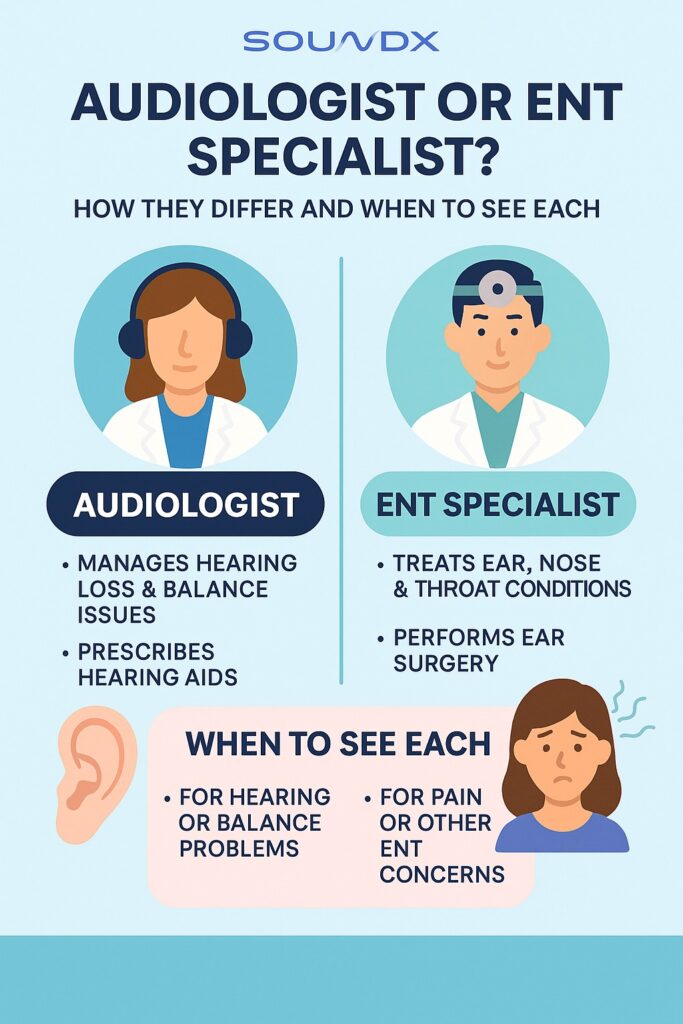
Audiologist or ENT Specialist? How They Differ and When to See Each

Written by- Dr. S.M. Tarique Najeeb

Medical Disclaimer:

This content is for educational purposes only and does not replace professional medical advice. Always consult a qualified audiologist before choosing a hearing aid.

If you have trouble hearing, an audiologist is a healthcare professional who tests your hearing, fits hearing aids, and helps with issues like tinnitus, while an ENT specialist is a medical doctor who treats ear, nose, and throat problems and can perform surgery. Experts say starting with an audiologist is often best, as they can identify the problem and refer you to an ENT if needed. In the U.S., there are about 13,000 audiologists and 15,000 ENT specialists, and studies show professional hearing care can improve understanding of speech by 30–40% compared to using generic sound amplifiers.

“SoundX proudly participates in ISHACON 2025, Patna, Bihar — one of India’s largest and most respected audiology conferences!”

Capabilities of an Audiologist You Should Know

Audiologists are usually the first point of contact for any hearing-related concerns. They are mainly responsible for diagnosing and monitoring any type of hearing disorder, primarily issues pertinent to one’s auditory and vestibular systems. In other words, they should be consulted on matters of hearing damage or complete hearing loss. They can also help patients deal with auditory issues, including tinnitus and balance. In addition to offering support to their patients through the provision of medical hearing aids, they also assist them in improving their quality of life via counseling or communication training. In other words, audiologists mostly support patients with their hearing problems in non-intrusive ways.

If you’re curious about how professionals evaluate your hearing, learn about the hearing test process for a better understanding of what to expect during an appointment. In addition to offering support to their patients through the provision of medical hearing aids, they also assist them in improving their quality of life via counseling or communication training. Before getting fitted for a device, it’s important to understand all hearing aid tests that determine your specific hearing needs.

Capabilities of an ENT Specialist You Should Know

An ENT specialist (or otolaryngologist) is a doctor who treats problems with your ears, nose, and throat. They help patients with conditions like ear infections, sinusitis, sleep apnea, tonsillitis, and even certain cancers. Unlike audiologists, who mainly test hearing and provide hearing aids, ENT specialists can perform surgeries to fix hearing problems caused by infections, tumors, or other medical issues. Audiologists and ENT doctors often work together: an audiologist may refer you to an ENT for treatment, and an ENT may ask you to visit an audiologist to check your hearing progress.

Capabilities of an ENT Specialist

Signs You Should See an Audiologist Immediately

If you are suffering from any type of hearing disorder, an audiologist is the first go-to medical practitioner for your needs. An audiologist plays a role in the diagnosis of a hearing condition, however, he/she seldom can prescribe any medication or administer therapeutics to patients. If the hearing loss is caused by any serious medical condition and is not a result of aging or exposure to loud noise, they usually suggest you consult an ENT specialist. So, when should you consult an audiologist? 

Consult an Audiologist in the following scenarios:

  • Excessive Buildup of Earwax: Although they can’t perform a surgical procedure, an audiologist can help you remove excess earwax that gets built up in the ears over time. 
  • Diagnosis of Hearing Problems: If you are experiencing any kind of hearing difficulties, reach out to an audiologist, who will help you diagnose the condition, the severity of the condition as well as the underlying factors that might have contributed to the hearing problem. 
  • Tinnitus: Some individuals experience a constant ringing/buzzing in their ears, which can be high-pitched at times, and therefore, cause significant discomfort. Such hearing issues, if not severe, are usually treated by an audiologist.
  • Age-induced Hearing Loss: When age-related hearing loss is induced by age, it is usually corrected using a hearing aid. Generally, in such cases, no therapies are prescribed to the patients, or any surgical procedure is required. Therefore, an audiologist is perfectly capable of handling these cases. You can also check the difference between hearing aids and PSAPs to understand which device suits your level of hearing difficulty.

Although both ENT doctors and audiologists work together in most cases, they offer different levels of expertise when it comes to treating hearing-related conditions. An audiologist is often touted as a high-level hearing expert, whereas an ENT deals with much more complex hearing issues induced by underlying medical conditions. Further, an audiologist often follows a non-intrusive approach to treating hearing loss (through hearing aids), while an ENT specialist can prescribe medications, as well as perform surgeries if required. Now, the next time you face any hearing problem, make sure you contact the right medical professional to help you efficiently deal with it.

Bottom Lines:
Audiologists and ENT doctors both help with hearing problems but in different ways. An audiologist checks how well you hear and helps you with hearing aids, while an ENT doctor treats ear, nose, and throat problems and can do surgery if needed.

If you’re not sure who to visit, start with an audiologist. SoundX can help you get your hearing tested and connect you with the right care — so you can enjoy clear, comfortable hearing again.

Signs You Should See an ENT Specialist Immediately

If an audiologist thinks you need extra help, they may send you to an ENT doctor. The ENT can do more detailed tests to find out why your hearing isn’t working properly. If the problem is caused by something serious, like an ear infection or a small tumor, the ENT can treat it with medicine or surgery to help you hear better.

Consult an ENT Specialist in the following scenarios:

  • Otosclerosis: This condition is also termed as fused bones, and results in hardening of bones inside the ear. This is usually a consequence of bone growth within the ear. Surgery by an ENT doctor is the most favorable treatment option for this condition.
  • Sensorineural Hearing Loss: People who experience sudden sensorineural hearing loss are usually not suitable candidates for conventional medical therapies or hearing devices. They need a thorough examination by an ENT doctor to check for the possibility of a severe infection or the presence of benign tumors.
  • Ear Injuries/Head Trauma: If the hearing damage is induced by a head injury, an ENT specialist should be consulted for suitable diagnosis and treatment. 
  • Ototoxicity: Certain medications used for the treatment of cancer or serious heart ailments, can also cause loss of hearing. Such type of hearing loss is also overseen by an ENT specialist. 
  • Balance: Balance-related issues, which are usually caused due to erratic movement of the base of the skull are evaluated by an ENT doctor. 
  • Hearing Problems in Pediatric Population: As hearing loss in children is likely to be a consequence of a genetic disorder, an infection, or allergies, they need sophisticated and thorough evaluation by an ENT specialist before treatment.

Although both ENT doctors and audiologists work together in most cases, they offer different levels of expertise when it comes to treating hearing-related conditions. An audiologist is often touted as a high-level hearing expert, whereas, an ENT deals with much more complex hearing issues induced by underlying medical conditions. Further, an audiologist often follows a non-intrusive approach to treating hearing loss (through hearing aids), while an ENT specialist can prescribe medications, as well as perform surgeries if required. Now, the next time you face any hearing problem, make sure you contact the right medical professional to help you efficiently deal with it.

Audiologist vs ENT Specialist: A Comprehensive Comparison Guide

Understanding the Key Differences Between Hearing Healthcare Professionals

FeatureAudiologistENT Specialist (Otolaryngologist)
Professional TitleHealthcare professional specializing in hearingMedical doctor specializing in ear, nose, and throat
Number in U.S.Approximately 13,000Approximately 15,000
Primary FocusDiagnosing and monitoring hearing disorders; auditory and vestibular systemsTreating medical conditions of ears, nose, and throat; can address underlying causes
Treatment ApproachNon-intrusive methods (hearing aids, counseling, communication training)Can prescribe medications and perform surgical procedures
First Point of ContactOften the first professional to see for hearing concernsUsually consulted after audiologist referral or for complex medical issues
Diagnostic CapabilitiesHearing tests and assessments Audiograms Tinnitus evaluation Balance disorder testingComprehensive medical examinations Advanced diagnostic testing Identification of underlying medical causes
Prescribing AuthorityCannot prescribe medicationsCan prescribe medications
Surgical CapabilitiesCannot perform surgeryCan perform surgical procedures
Common Conditions TreatedAge-induced hearing loss Tinnitus (non-severe) Excessive earwax buildup General hearing difficulties Balance issues (assessment)Otosclerosis (fused bones) Sensorineural hearing loss (sudden) Ear infections Sinusitis Sleep apnea Tonsillitis Tumors (benign/cancerous) Ear injuries/head trauma Ototoxicity (medication-induced hearing loss) Pediatric hearing problems Balance disorders (skull base issues)
Services ProvidedHearing aid fitting and programming Hearing assessments Earwax removal (non-surgical) Tinnitus management Communication training CounselingMedical treatment Surgical interventions Medication prescriptions Treatment of infections Tumor removal Complex diagnostic procedures
Referral PatternRefers patients to ENT when medical/surgical intervention neededMay refer patients to audiologist for hearing testing and hearing aid management
Level of ExpertiseHigh-level hearing expertHandles complex hearing issues with underlying medical conditions
Improvement RateProfessional hearing care can improve speech understanding by 30-40% compared to generic amplifiersTreats medical causes that may restore or improve hearing through intervention
When to See ThemRoutine hearing problems Need for hearing aids Noise or age-related hearing loss Non-severe tinnitus Earwax removalSuspected serious medical conditions Sudden hearing loss Head/ear injuries Medication-related hearing loss Pediatric hearing issues Need for surgery Infections or tumors
Collaborative RoleWorks with ENT specialists; provides ongoing hearing care and monitoringWorks with audiologists; treats medical causes and performs necessary procedures

Conclusion

Audiologists and ENT specialists both play important roles in keeping your hearing healthy, but they focus on different aspects. An audiologist is usually the first professional to consult for hearing tests, hearing aids, and non-invasive treatments, while an ENT specialist handles medical conditions, infections, and surgeries related to the ears, nose, and throat. Working together, these professionals ensure you get the right care at the right time, improving your hearing and overall quality of life. If you notice any hearing issues, consulting the appropriate expert promptly can make a big difference in treatment and recovery.

If you’re not sure who to visit, start with an audiologist. SoundX can help you get your hearing tested and connect you with the right care — so you can enjoy clear, comfortable hearing again.

If you are from Lucknow and unsure whether you should see an audiologist or an ENT specialist, you can visit SoundX Lucknow. The clinic offers complete hearing checkups, audiometry tests, and guidance from certified audiologists who can assess your condition and refer you to an ENT if required.

FAQ

1. What does an audiologist do?
An audiologist tests your hearing, helps fit hearing aids, and treats issues like tinnitus or balance problems. They mainly use non-invasive methods to improve your hearing.

2. What does an ENT specialist do?
An ENT doctor treats ear, nose, and throat problems, including infections, tumors, and sinus issues. They can prescribe medicine and perform surgeries if needed.

3. When should I see an audiologist?
See an audiologist for routine hearing problems, age-related hearing loss, tinnitus, or earwax buildup. They can test your hearing and suggest hearing aids if needed.

4. When should I see an ENT specialist?
Visit an ENT if you have ear infections, sudden hearing loss, head or ear injuries, medication-related hearing problems, or need surgery for hearing issues.

5. Can an audiologist perform surgery?
No, audiologists cannot perform surgery or prescribe medications. They focus on hearing tests, hearing aids, and non-surgical treatment.

6. Can an ENT specialist fit hearing aids?
ENT specialists usually do not fit hearing aids, but they may refer you to an audiologist to help with hearing devices and ongoing hearing care.

7. Do audiologists and ENT doctors work together?
Yes, they often collaborate. Audiologists may refer patients to ENTs for medical treatment, and ENTs may send patients to audiologists for hearing assessments and device fitting.

8. Can professional hearing care improve hearing?
Yes, studies show professional hearing care can improve speech understanding by 30–40% compared to generic sound amplifiers, ensuring better hearing and quality of life.

Dr S.M. Tarique Audiologist says:

Not all hearing loss needs surgery . In fact most cases can be managed with modern hearing aids. But in some structural or medical cases, surgery can help.

Visit Profile- Dr. S.M. Tarique Najeeb