How to Read an Audiogram: An Audiologist’s Step-by-Step Guide

Written by- Dr. S.M. Tarique Najeeb

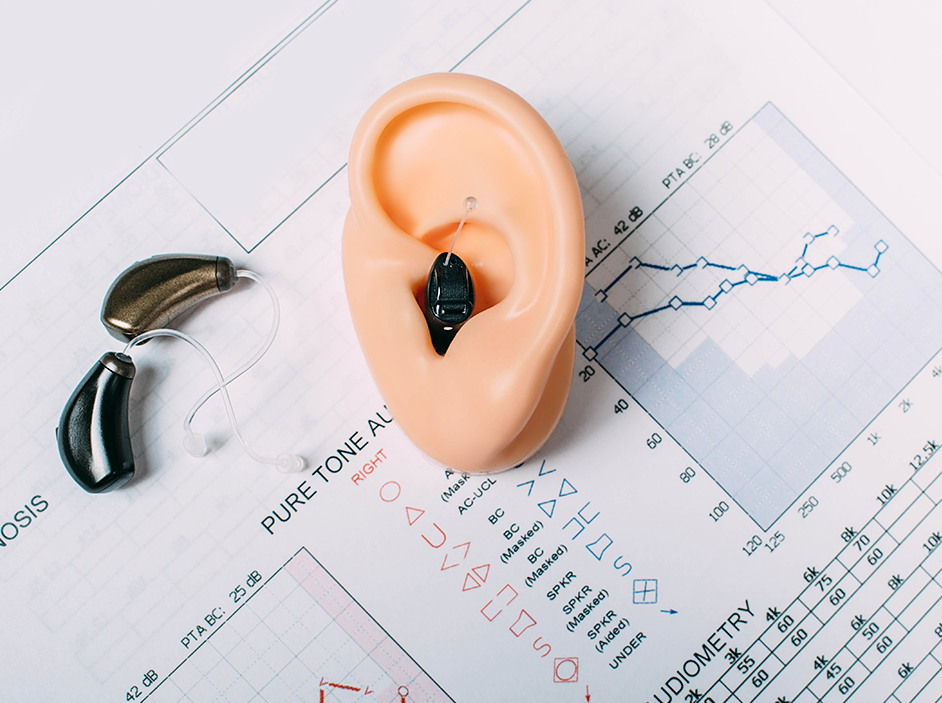
An audiogram is a graph that shows how well you hear different sounds. During a hearing test, you wear headphones and listen to beeps of different pitches and volumes, raising your hand when you hear them. The test measures sounds from 0 to 120 decibels and frequencies from 250 Hz to 8,000 Hz, which cover most everyday sounds.

Hearing loss affects over 466 million people worldwide, and audiograms help detect it early. Sounds you can’t hear at normal levels indicate the type and severity of hearing loss, helping doctors decide the right care or hearing aids for you.

Audiogram Insights: Know Your Hearing

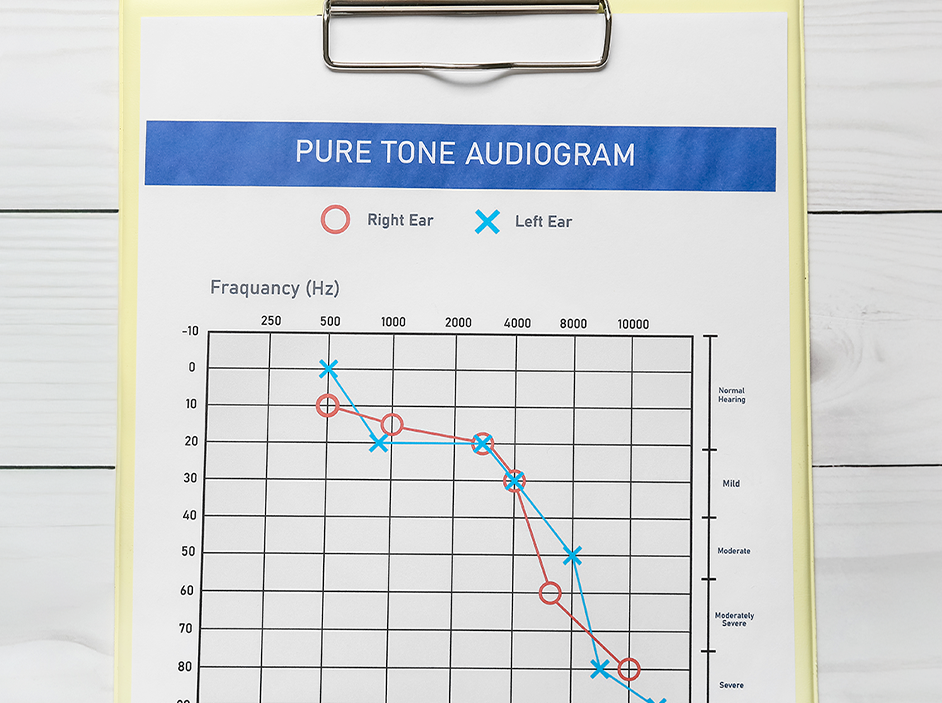
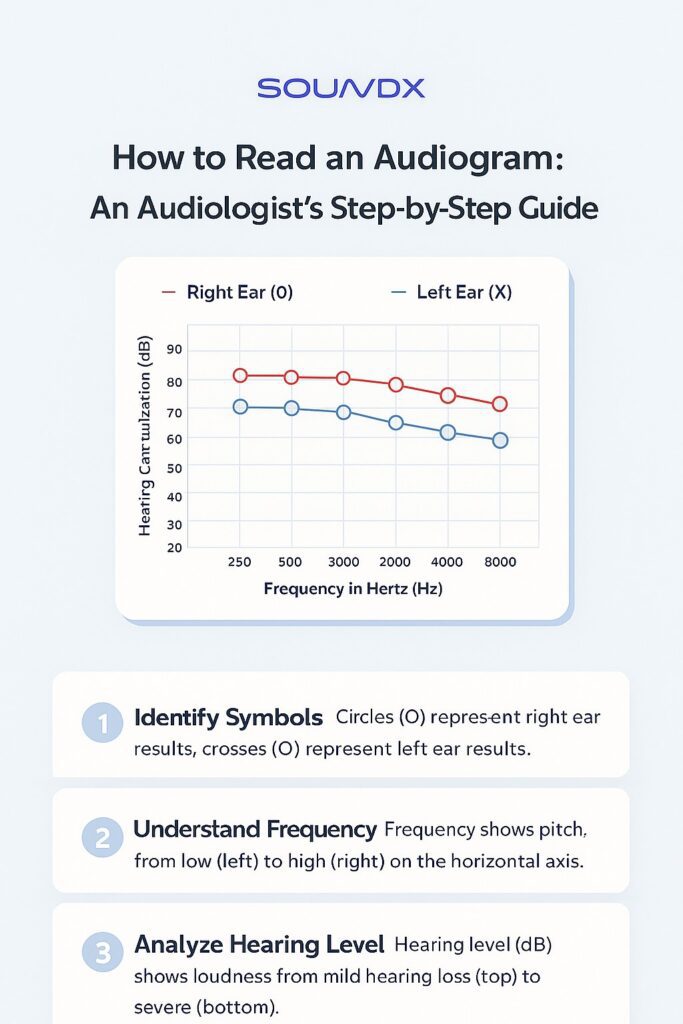
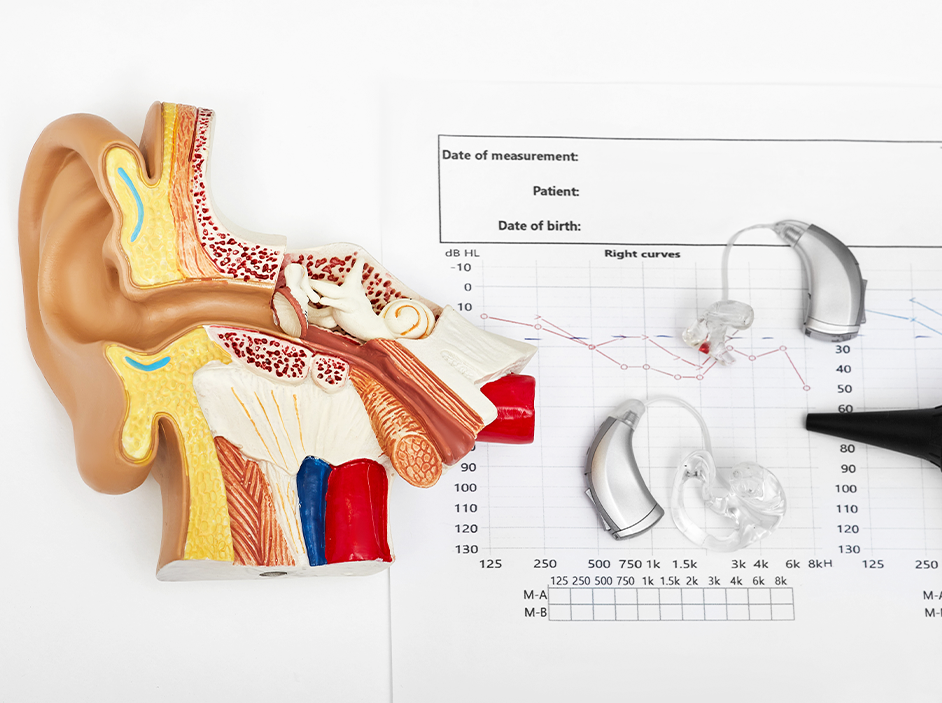
An audiogram is essentially a graph showing a series of O’s (for right ear) and X’s (for left ear). The graph consists of values for different frequencies on the X-axis and volumes on the Y-axis. As you move from left to right on the chart, the frequencies increase from low-pitched to high pitched, while running from top to bottom, the volume of the sound amplifies. The position of O’s and X’s indicate the softest sounds heard by varying the frequencies. This is known as one’s hearing threshold. 

Hearing Loss Levels: Complete Guide

Hearing Loss LevelHearing Threshold (Decibels)What You Can HearWhat’s Difficult to HearTreatment Needed
Normal Hearing-10 to 15 dBAll everyday sounds clearlyNoneNo treatment needed
Slight Hearing Loss20 to 25 dBMost soundsVery soft sounds, whispersMay not need hearing aids
Mild Hearing Loss26 to 40 dBLouder conversationsSoft speech, distant soundsHearing aids recommended
Moderate Hearing Loss40 to 55 dBLoud speech onlyNormal conversations, TV at normal volumeHearing aids necessary
Moderately-Severe Hearing Loss56 to 70 dBVery loud soundsMost speech without amplificationHearing aids required
Severe Hearing Loss71 to 90 dBOnly very loud soundsAlmost all speech and environmental soundsPowerful hearing aids needed
Profound Hearing LossAbove 90 dBAlmost nothingCannot hear speech or most soundsPowerful hearing aids or cochlear implants

How to Read an Audiogram

On an audiogram, you’ll see O’s and X’s. These symbols show how well a person hears different sounds. If the symbol is lower on the chart, it means the person needs louder sounds to hear that frequency—they have more hearing loss at that pitch.

Hearing loss is usually grouped into mild, moderate, severe, and profound. Most people with hearing loss have trouble hearing high-pitched sounds, like birds chirping, women’s voices, or some consonants like F, K, TH, and S. Vowel sounds (A, E, I, O, U) are lower-pitched and easier to hear. People with hearing loss may miss certain consonants, which makes it hard to understand words like cat, show, or throw.

Here are some key measurements from an audiogram:

  • Speech Reception Threshold (SRT): The softest level at which someone can hear and understand speech 50% of the time.
  • Speech Discrimination: How many single-syllable words a person can correctly repeat at a louder volume (usually 30 dB above SRT).
  • Word Recognition Score: The percentage of words a person can recognize at their hearing level.
  • Acoustic Reflex: Checks how the ear muscles react to very loud sounds.
  • Tympanometry: Measures how the eardrum moves with air pressure.
    • Type A: Normal eardrum movement
    • Type B: Limited movement, possible damage
    • Type C: Negative pressure in the ear

These tests help doctors understand which sounds a person can hear and which they have trouble with, so they can decide the best treatment or hearing aids.

Hearing Loss Levels: Mild, Moderate, and Severe Explained

Patients are often curious about the ‘percentage’ of their hearing loss. However, there is no specific formula that can convert the logarithmic dB values to a meaningful hearing loss percentage. Normal hearing range is defined as hearing threshold of -10 to 15 decibels at all frequencies. Given below are the definitions pertaining to various degrees of hearing loss experienced by patients:

  1. Slight Hearing Loss: Hearing threshold in the range of 20 to 25 dB.
  2. Mild Hearing Loss: Hearing threshold in the range of 26 to 40 dB.
  3. Moderate Hearing Loss: Hearing threshold in the range of 40-55 dB.
  4. Moderately-severe Hearing Loss: Hearing threshold in the range of 56-70 dB.
  5. Severe Hearing Loss: Hearing threshold in the range of 71-90 dB.
  6. Profound Hearing Loss: Hearing threshold above 90 dB.

Before coming to any conclusion, it is important to visit a local audiologist like SoundX for a thorough hearing examination

About Online Hearing Tests

The internet is replete with free online hearing tests which promise to provide a thorough examination of one’s hearing abilities. However, they can only help you gauge slightly into your hearing health, and are not a substitute of professional hearing tests run by audiologists or hearing care specialists. In order to get your condition diagnosed and treated properly, you need to see a professional who would not only run detailed hearing tests, but also perform a physical assessment of the ear canal. In some cases, hearing loss is reversible, and can be cured easily, like in the case of excessive build-up of earwax. The earwax might be the only reason for the inaccurate results you might obtain from an online hearing evaluation. Therefore, before coming to any conclusion, it is important that you visit a local audiologist and request for a thorough hearing examination. 

Bottom Line: Audiogram Insights

An audiogram is a very useful tool to check how well you hear. It’s a graph that shows the softest sounds you can hear at different pitches.

  • If the O’s and X’s are near the top of the chart, your hearing is likely fine.
  • If the symbols are lower, it could mean hearing loss.

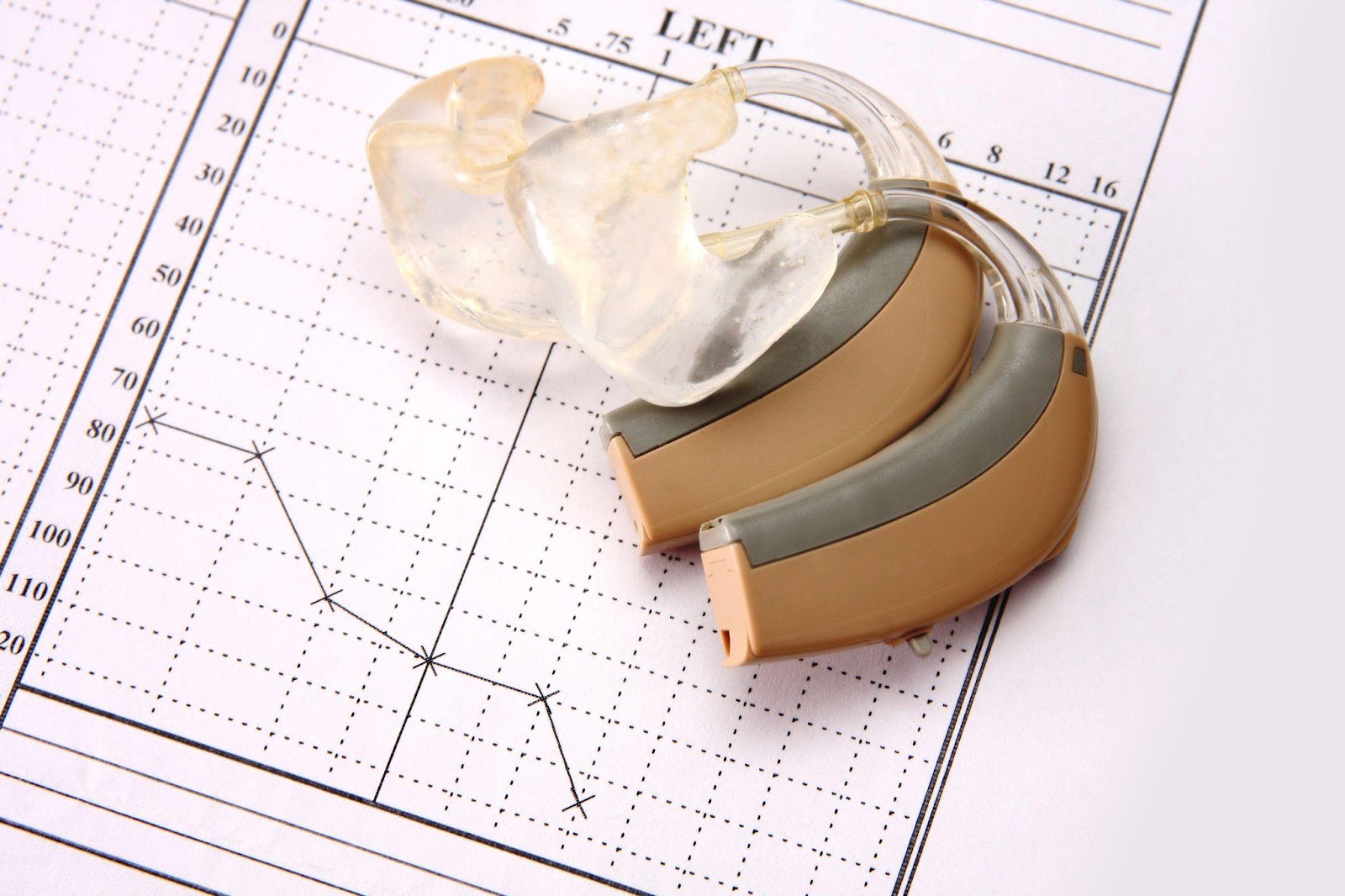
Audiograms help your doctor understand the type and level of hearing loss. This way, they can suggest the right treatment, like a hearing aid. Many experts recommend custom hearing aids after looking at your audiogram so it fits your needs perfectly. The type of hearing aid may also depend on your lifestyle—whether you stay mostly indoors or spend time in noisy places.

Hearing loss can make everyday life harder, but a hearing aid can help make sounds louder and clearer. Remember, hearing aids cannot completely fix hearing loss, but they can help you hear better every day. With patience and regular use, your hearing can improve, making life easier and more enjoyable.

The type of hearing aid may also depend on your lifestyle—whether you stay mostly indoors or use travel-ready hearing aids in noisy places

FAQ

1. What is an audiogram?
An audiogram is a graph that shows how well you hear different sounds at different pitches and volumes.

2. What do the O’s and X’s on an audiogram mean?
O’s are for the right ear and X’s are for the left ear. Their position shows the softest sounds you can hear.

3. What do the top and bottom positions on an audiogram mean?
Symbols at the top mean your hearing is normal. Symbols lower down mean you need louder sounds to hear, which shows hearing loss.

4. What are the types of hearing loss?
Hearing loss can be slight, mild, moderate, moderately-severe, severe, or profound, depending on how soft a sound you can hear.

5. Can audiograms tell how bad my hearing loss is?
Yes! They show which sounds you can and cannot hear, helping doctors decide the right treatment.

6. What tests are part of an audiogram?
Some tests include Speech Reception Threshold, Speech Discrimination, Word Recognition, Acoustic Reflex, and Tympanometry.

7. Can online hearing tests replace a real audiogram?
No. Online tests can only give an idea of your hearing. A professional audiologist is needed for a proper test and treatment.

8. Can hearing aids fix hearing loss completely?
No. Hearing aids make sounds louder and clearer but cannot fully restore hearing. They help you hear better every day

Dr S.M. Tarique Audiologist says:

Don’t fall for the myths! Stay tuned to learn everything about ear care and protect your hearing health.

Visit Profile- Dr. S.M. Tarique Najeeb

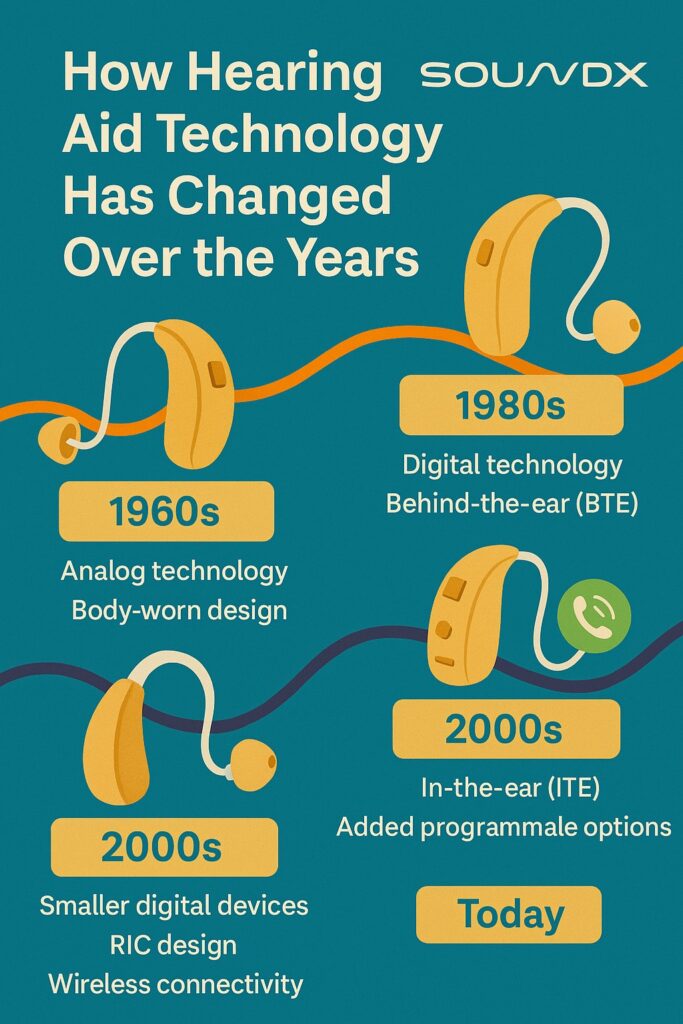
How Hearing Aid Technology Has Changed Over the Years

Written by- Dr. S.M. Tarique Najeeb

Hearing loss affects over 430 million people worldwide, according to the World Health Organization (WHO). To help them hear better, hearing aid technology has improved dramatically over time.

Centuries ago, people used animal horns and ear trumpets to collect sound. In the 1900s, the first electric hearing aids were introduced — large, heavy, and difficult to carry.Today’s digital hearing aids are tiny, powerful, and smart. They reduce background noise, connect to smartphones via Bluetooth, and automatically adjust to different environments. From simple horns to high-tech devices, hearing aids now help millions live, listen, and communicate with confidence.

“At our recent hospital event, SoundX took hearing health awareness to new heights — empowering more people to listen, care, and act for better hearing.”

Let’s have a look at the history of hearing aids: 

When was the first hearing aid invented?

The first hearing device ever recorded was called an ear trumpet, made in the 17th century. It looked like a small horn and was made from things like metal or animal horns. People held it up to their ear to make sounds louder during conversations.

But this early invention had some problems. The ear trumpet was heavy and had to be held by hand all the time. It only worked when someone knew you were talking to them — otherwise, they couldn’t hear you at all!

The first real hearing aid, the kind that actually used electricity, came much later in 1898. It was created by Miller Reese Hutchison, who was inspired by Alexander Graham Bell’s telephone. His invention could amplify weak sounds, making it much easier for people with hearing loss to hear clearly.

From simple horns to electric hearing aids, this was the start of the amazing hearing aid technology we use today — helping millions of people around the world hear better every day.

How Hearing Aids Got Smarter Through the Years

After the first hearing aids were designed, it took about 10 more years before they were made for home use. This happened in 1913, but these early devices were only a little better than the old ear trumpets—still heavy and not very easy to carry.

In the 1920s, Earl C. Hanson invented the vacuum tube hearing aid, called the “Vacuphone”, which turned sounds into electrical signals before sending them to the ear. It worked better than anything before and was later produced by Western Electric Company.

During World War II, engineers started trying to make devices smaller and more efficient. This led to the creation of the transistor in 1948, which replaced vacuum tubes in hearing aids. Transistor hearing aids were smaller, used less battery power, and sounded clearer. The first transistor hearing aid, called the Solo-Pak, was made by Allen-Howe Electronics Corporation.

In the 1970s and 1980s, technology continued to improve:

·         Cochlear implants were developed and tested.

·         Microprocessor hearing aids were introduced, making devices smarter and able to adjust sounds automatically.

Finally, in 1991, the first all-digital hearing aid was created. Since then, hearing aids have continued to improve, becoming smaller, smarter, and more effective at helping millions of people hear clearly and enjoy life.

Since then, the world has watched these digital hearing aids develop past what the hearing impaired ever thought possible. Over the next 20 years, these aids would gain convenience features such as volume controls, static filtered, next-to-zero distortion rates, and even Bluetooth capabilities. 

Today, more companies than ever are involved in the field of Audiology. Hearing aids that are waterproof, shockproof, and dustproof are essentially normal. There even exists an app that transforms the iPhone into an interactive hearing device that amplifies sound and repeats back conversations.  

Evolution of Hearing Aid Technology – Historical Comparison

Time PeriodDevice TypeKey FeaturesSize & PortabilityPower SourceSound QualityLimitationsNotable Innovation
17th CenturyEar TrumpetSimple sound amplification, horn-shaped device, made from metal or animal hornsLarge, handheld deviceNone (passive acoustic)Basic sound collection onlyHeavy, required manual holding, only worked in direct conversation, no amplification controlFirst recorded hearing assistance device
1898Electric Hearing AidUsed electricity to amplify sounds, inspired by telephone technologyLarge and bulkyElectric powerAmplified weak sounds clearlyNot portable, difficult to useFirst electrically powered hearing aid by Miller Reese Hutchison
1913Early Home Use ModelsSlightly improved portability for home environmentsStill heavy and cumbersomeElectricMarginally better than ear trumpetsLimited improvement over previous modelsFirst hearing aids designed for home use
1920sVacuum Tube Hearing Aid (Vacuphone)Converted sounds into electrical signals before transmitting to earModerate sizeVacuum tubesBetter sound conversion and clarityRequired vacuum tubes, moderate power consumptionInvented by Earl C. Hanson, produced by Western Electric Company
1948Transistor Hearing Aid (Solo-Pak)Replaced vacuum tubes with transistors, more efficient signal processingSignificantly smallerBattery-powered (low consumption)Clearer sound qualityStill visible, limited featuresFirst transistor hearing aid by Allen-Howe Electronics Corporation
1970s-1980sMicroprocessor Hearing Aids & Early Cochlear ImplantsAutomatic sound adjustment, smart processing capabilities, cochlear implant testingSmaller, more discreetLow-power batteriesEnhanced clarity with automatic adjustmentsLimited digital featuresIntroduction of microprocessors and cochlear implant development
1991First All-Digital Hearing AidComplete digital signal processing, programmable settingsCompact designEfficient battery useSuperior digital sound qualityEarly stage of digital technologyRevolutionary transition from analog to digital
2000s-2010sAdvanced Digital Hearing AidsVolume controls, static filtering, near-zero distortion, Bluetooth connectivityVery small, discreetLong-lasting batteriesHigh-fidelity sound, wireless streamingRequires charging or battery replacementBluetooth integration and smartphone compatibility
Present Day (2020s+)Smart Digital Hearing AidsWaterproof, shockproof, dustproof, smartphone app integration, automatic environment adaptation, background noise reduction, iPhone amplification appsTiny, nearly invisible, comfortable fitRechargeable batteriesExceptional clarity, AI-powered adjustmentsCost can be prohibitive for some usersMultiple manufacturers, app-controlled devices, virtually invisible implants

Conclusion

Over the years, hearing aids have changed a lot. They went from big, heavy devices to tiny, nearly invisible implants that fit comfortably in the ear. Because of this, millions of people with hearing loss can live normal, active lives.

What the future holds for hearing aids is still a mystery, but one thing is clear: hearing aids have a long history of progress and will continue to improve for many years to come.

If you or someone you know has trouble hearing, SoundX can help. They have modern hearing aids that are comfortable, easy to use, and make sounds clear again. Visit SoundX today to find the best hearing aid for you and enjoy the world of sound!

FAQ

1. What is a hearing aid?

A hearing aid is a small device that helps people hear better by making sounds louder and clearer.

2. How many people have hearing loss?

Over 430 million people worldwide have hearing loss, according to the World Health Organization.

3. When was the first hearing aid made?

The first hearing device, called an ear trumpet, was made in the 17th century. The first electric hearing aid was created in 1898.

4. Who invented the first electric hearing aid?

Miller Reese Hutchison invented the first electric hearing aid in 1898, inspired by Alexander Graham Bell’s telephone.

5. How did hearing aids get smaller and smarter?

The invention of the transistor in 1948 made hearing aids smaller, used less battery power, and sounded clearer. Later, microprocessors and digital technology made them even smarter.

6. What can modern hearing aids do?

Today’s hearing aids can reduce background noise, connect to phones via Bluetooth, adjust automatically, and even work underwater or in dusty conditions.

7. What are cochlear implants?

Cochlear implants are special devices that help people with severe hearing loss hear by directly sending sound signals to the inner ear.

8. What does the future of hearing aids look like?

Hearing aids will keep improving, becoming smarter, smaller, and more helpful, possibly with even better apps and advanced technology to make hearing easier.

Dr S.M. Tarique Audiologist says:

You do not suddenly lose hearing, It happens in tiny steps that most people ignore.

Visit Profile- Dr. S.M. Tarique Najeeb

All Hearing Aid Tests You Must Know Before Choosing One

Written by- Dr. S.M. Tarique Najeeb

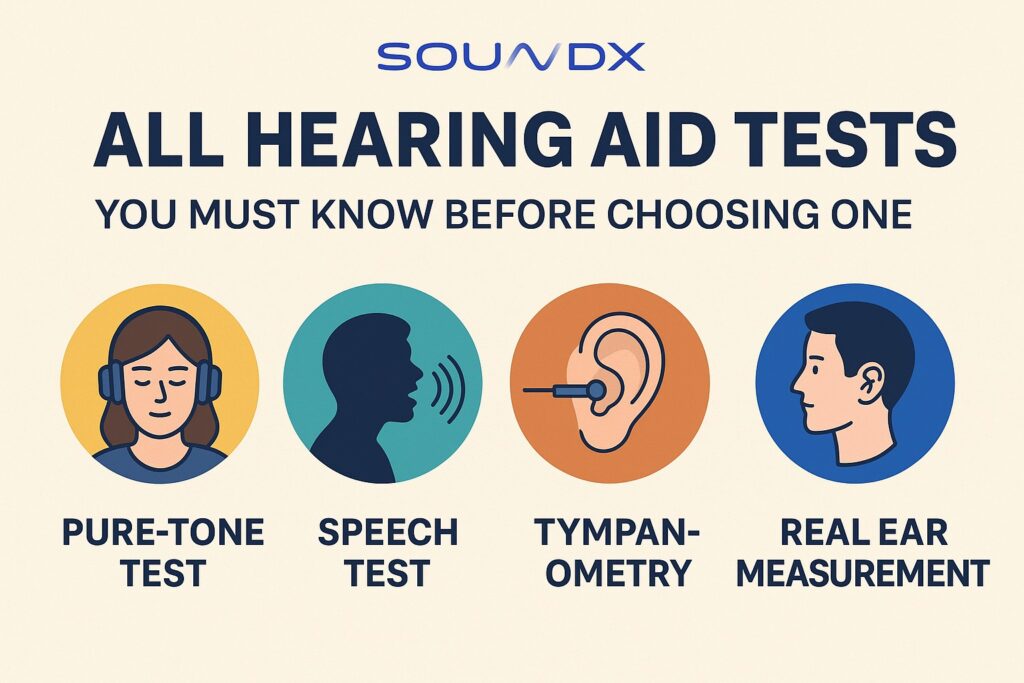
There are 7 main types of hearing tests that audiologists use, depending on your age and symptoms. These tests help them figure out exactly how well your ears are working and what kind of help you might need. Knowing about these tests beforehand makes the process easier and less scary. By understanding what to expect, you can confidently book your hearing check and take the first step toward better hearing.

Over 1.5 billion people worldwide experience some form of hearing loss, with 430 million of them requiring rehabilitation for disabling hearing loss, World Health Organization. By 2050, it’s projected that over 700 million people will have disabling hearing loss from the World Health Organization. Early detection through hearing tests can help prevent further issues and improve quality of life.

7 Types of Hearing Tests You Need to Know

1) Audiometry:

This test checks how well you hear different sounds, from very low to very high pitches. You wear headphones, and every time you hear a beep, you raise your hand or press a button. The results are shown on a graph called an audiogram, which helps the audiologist see what sounds you can and cannot hear.

2) Speech Testing:

This test checks how well you understand words and speech at different volumes. Sometimes it’s done in a quiet room, and sometimes in a noisy one to mimic real life. The results help the audiologist decide if you need a hearing aid or another device.

3) Tympanometry:

This test looks at how your eardrum moves. It can find fluid, wax buildup, or damage in your middle ear. A small probe goes into your ear, and different sounds and pressures are tested. The results are shown on a graph called a tympanogram.

4) Acoustic Reflex Measures and Static Acoustic Measures:

This test checks how well the muscles in your ear work, especially in children under 5. Loud sounds are played, and the audiologist sees if your ear responds. If the ear needs louder sounds to react, it may show hearing damage.

5) Electrocochleography (ECOG):

ECOG measures how your inner ear (cochlea) reacts to sound. Earphones play sounds, and electrodes on your forehead pick up responses. This test can detect certain conditions like Meniere’s disease.

6) Auditory Brainstem Response (ABR):

This test checks how fast sounds travel from your ear to your brain. It’s often done on babies or young kids. Earphones and small electrodes are placed near the ears and forehead. Sometimes kids need to sleep or get light sedation.

7) Otoacoustic Emissions (OAEs):

OAEs check if your inner ear hair cells are working. A small probe in your ear measures tiny sounds your ear makes when it hears noise. If your ear doesn’t make these sounds, it could mean hearing loss.

Hearing Loss Tests Compared: Find the Right One Fast

Test NameWhat It ChecksHow It WorksBest ForWhat It Detects
AudiometryHow well you hear different sound pitches (low to high)Wear headphones and raise hand or press button when you hear beepsAll agesHearing loss at different frequencies; results shown on audiogram
Speech TestingHow well you understand words and speech at different volumesListen to words in quiet and noisy environmentsPeople with communication difficultiesSpeech comprehension issues; helps decide if hearing aid is needed
TympanometryHow your eardrum movesSmall probe in ear tests eardrum with sounds and pressure changesMiddle ear problemsFluid, earwax buildup, or eardrum damage; results shown on tympanogram
Acoustic Reflex & Static Acoustic MeasuresHow well ear muscles work when exposed to loud soundsLoud sounds played to check if ear muscles respond properlyChildren under 5 years oldHearing damage if ear needs louder sounds to react
Electrocochleography (ECOG)How inner ear (cochlea) reacts to soundEarphones play sounds while electrodes on forehead measure responsesInner ear disordersConditions like Meniere’s disease
Auditory Brainstem Response (ABR)How fast sounds travel from ear to brainEarphones and electrodes placed near ears and forehead; may require sleep or light sedationBabies and young childrenBrain’s response to sound; nerve pathway issues
Otoacoustic Emissions (OAEs)If inner ear hair cells are working properlySmall probe in ear measures tiny sounds your ear makes when hearing noiseNewborn screening and early detectionInner ear damage; no sound emission means possible hearing loss

Final Notes:

Hearing tests are safe and usually need no special preparation. Most people take two or more tests to get an accurate result. After the tests, your audiologist will suggest the best treatment, like therapy, a hearing aid, or sometimes surgery.

If you want a clear and comfortable hearing test experience, visit SoundX. Their experts use modern tools to check your hearing and help you find the right hearing aid for your needs. With SoundX, hearing better becomes simple, easy, and worry-free!

FAQ

1. What is an audiometry test?
Audiometry checks how well you hear different sounds, from low to high. You wear headphones and raise your hand or press a button when you hear beeps.

2. What does a speech test do?
A speech test shows how well you understand words in quiet or noisy places. It helps find speech comprehension problems and if you might need a hearing aid.

3. What is tympanometry for?
Tympanometry checks how your eardrum moves. A small probe in your ear tests for fluid, wax buildup, or eardrum problems.

4. What are acoustic reflex tests?
These tests see if your ear muscles respond correctly to loud sounds. They are usually done for young children under 5.

5. What is Electrocochleography (ECOG)?
ECOG checks how your inner ear (cochlea) reacts to sound. Electrodes on your head measure responses to sounds in your ears.

6. What does an Auditory Brainstem Response (ABR) test show?
ABR shows how fast sound travels from your ear to your brain. It’s mostly for babies and young kids, and sometimes they may need to sleep during the test.

7. What are Otoacoustic Emissions (OAEs)?
OAEs test if your inner ear hair cells are working properly. A small probe in the ear measures tiny sounds your ear makes when hearing noise.

8. Do I need to prepare for a hearing test?
No special preparation is needed. Most people do two or more tests to get accurate results. Your audiologist will then suggest the best treatment.

Dr S.M. Tarique Audiologist says:

Your hearing can reveal what’s happening inside your body. Your ears hear more than sound; they reflect your body’s overall health.

Visit Profile- Dr. S.M. Tarique Najeeb

Make Your New Hearing Aids Comfortable in Just a Few Days

Written by- Dr. S.M. Tarique Najeeb

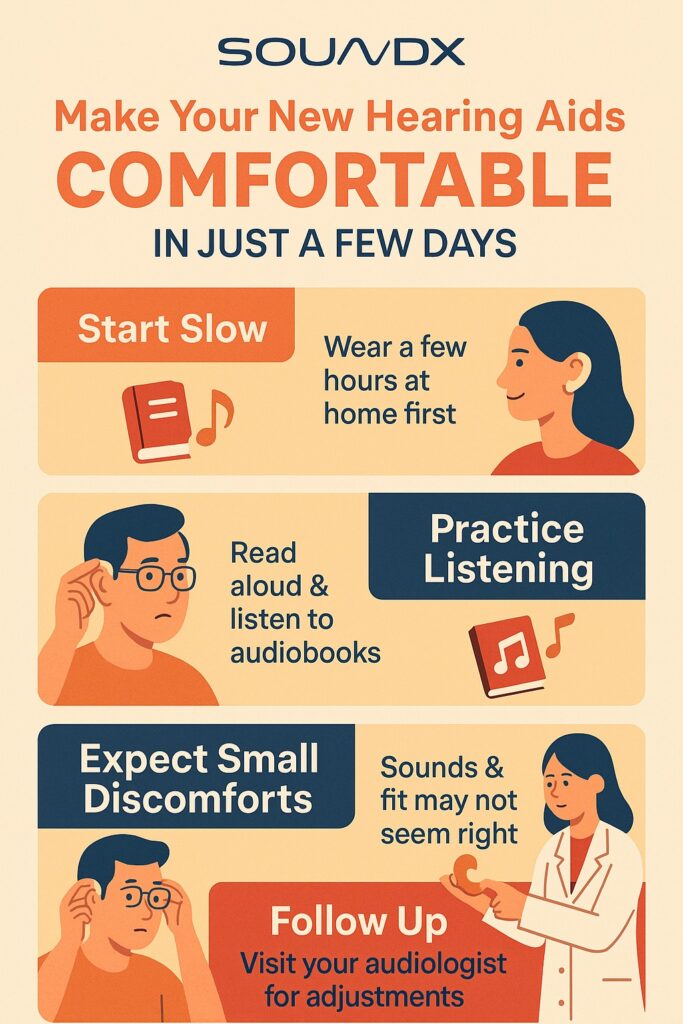
The fastest way to get used to new hearing aids is to wear them consistently every day, practice listening in different environments, and gradually increase usage while learning the device’s key functions like volume control, noise filtering, and Bluetooth connectivity. It’s also important to give your brain time to adjust to the new sounds and the physical sensation of wearing the device.

Over 430 million people worldwide live with hearing loss, and studies show that consistent hearing aid use can improve communication and quality of life by up to 30%. For those with long-term hearing loss, the brain may need extra time to relearn how to process sound, so starting with short, regular listening sessions and gradually increasing them helps. Following these steps allows users to enjoy clearer sounds, better speech understanding, and a more active lifestyle.

SoundX visited an old age home to bring the gift of hearing to seniors, helping them reconnect with their loved ones and the world around them.”

Practice these techniques to make your hearing aids feel natural quickly:

1. Wear Them a Little at First
If this is your first hearing aid, don’t wear it all day right away. Start with a few hours at a time—around 8 hours or less—and slowly increase the time each day. The more you wear it, the better your brain becomes at understanding different sounds. But go slow and give yourself time to adjust.

2. Start in a Quiet Place
For the first few weeks, use your hearing aid in calm, quiet places. This helps your brain recognize sounds better. Once your brain gets used to hearing in quiet places, it will be easier to handle noisy places like restaurants or shopping malls.

3. Practice Listening Exercises
Spend some time each day listening to small sounds around you. Sit in a quiet room and notice things like a bird chirping, a clock ticking, or your own voice. Try reading out loud so your brain can connect words with the sounds you hear. You can also practice figuring out where sounds are coming from.

4. Check In with Your Audiologist
Visit your hearing doctor one or two weeks after getting your hearing aid. They can adjust the device to make sounds clearer, improve the fit, or answer any questions you have. Regular check-ins help you get the best results.

5. Join Hearing Aid Classes
If you can, join online or in-person classes for new hearing aid users. These classes teach useful tips, answer questions, and let you learn from other people who wear hearing aids.

6. Watch TV with Subtitles
If you’ve had hearing loss for a long time, your brain may need practice connecting sounds with words. Turn on subtitles when watching TV or movies. Reading the words while listening helps your brain understand speech more easily.

Achieving Success with Your Hearing Aid

Using a hearing aid successfully takes time, patience, and practice. Here are some important tips to help you get the most out of your device.

1. Be Patient and Stay Positive
It’s normal if your new hearing aid feels strange at first. Don’t get frustrated if you can’t adjust in the first few days. Be patient and keep a positive attitude. The more you focus on improving your hearing, the easier it will become to adapt. If you stick with it through the first few weeks, you’ll see much better long-term results.

2. Have Realistic Expectations
Hearing aids improve your hearing, but they don’t make it perfect. Don’t expect to hear everything clearly right away. Instead, focus on small improvements every day. Celebrate the progress you make, even if it’s just noticing sounds you hadn’t heard before.

3. Learn About Your Hearing
Understanding your hearing loss helps you use your hearing aid better. Read about your condition, learn how hearing aids work, and know what features might help you most. Being informed will make it easier to manage your hearing loss successfully.

4. Practice Every Day
Wear your hearing aid regularly and practice listening exercises daily. Start in quiet places, then move to slightly noisier environments. Over time, your brain will get used to different sounds, and listening will feel automatic. Try to wear your hearing aid during most of your waking hours as you get more comfortable.

Complete Guide to Adjusting to New Hearing Aids

Adjustment MethodTime FrameStarting PointDaily DurationKey ActionsBenefitsSuccess TipsExpected ResultsDifficulty LevelProfessional Support
Gradual Wearing ScheduleFirst 2-4 weeksAny comfortable settingStart 8 hours or less, increase dailyWear device consistently but not all day initially, slowly extend wearing time each dayBrain adapts without overwhelm, builds tolerance naturallyDon’t rush – increase by 1-2 hours every few days, listen to your bodyBetter long-term comfort and sound recognitionEasyMinimal – audiologist guidance helpful
Quiet Environment PracticeFirst 2-3 weeksCalm quiet places like home or libraryMultiple hours daily in peaceful settingsUse device only in quiet spaces before introducing noiseBrain learns to recognize individual sounds clearly firstStay in quiet rooms, avoid restaurants and malls initiallyEasier transition to complex noisy environments laterEasyNone required
Daily Listening ExercisesThroughout adjustment (ongoing)Quiet room at home15-30 minutes per dayFocus on small sounds – birds chirping, clock ticking, your own voiceImproves sound identification and spatial awarenessPractice locating where sounds come from, notice quiet detailsEnhanced ability to identify and locate sound sourcesModerateOptional – classes can help
Read Aloud PracticeFirst 4 weeks dailyAny quiet space10-20 minutes per sessionRead books, articles, or news out loud while wearing deviceConnects words with sounds heard through hearing aidChoose interesting material, speak at normal volumeBetter word-sound association and speech clarityEasyNone required
TV Subtitle TrainingFirst 4-6 weeks (critical for long-term hearing loss)Home entertainment areaDuring all TV and movie viewingAlways turn on subtitles while watching any contentBrain reconnects sounds with visual words, faster comprehensionWatch familiar shows first, read and listen simultaneouslyDramatically improved speech understandingEasyNone required
Audiologist Follow-upsWeek 1-2, then regularly as neededAudiology clinic or office30-60 minutes per appointmentProfessional device adjustments, fit optimization, ask questionsCustomized settings for optimal clarity and comfortBring written list of concerns, be specific about issuesPerfect device tuning and troubleshootingEasyEssential – required
Support Groups and ClassesOngoing throughout processOnline platforms or in-person venues1-2 hours weekly or monthlyJoin hearing aid user communities, attend workshopsLearn from experienced users, get practical tips and emotional supportAsk questions freely, share your experiences with othersFaster problem-solving and reduced frustrationEasyOptional but recommended
Patient Positive MindsetEntire adjustment period (3+ months)Daily mental practiceOngoing every dayStay positive, don’t get frustrated, focus on small improvementsReduces stress, prevents device abandonmentRemind yourself adjustment is normal and takes timeHigher success rate and continued device useModerateOptional counseling if struggling
Realistic Expectations SettingBefore and during adjustmentInitial consultationDaily mindset checkUnderstand hearing aids improve but don’t perfect hearingPrevents disappointment, maintains motivationCelebrate small wins like hearing new soundsSustained long-term satisfaction with deviceEasyAudiologist sets expectations
Educational LearningFirst 2-4 weeks intensivelySelf-study at home2-3 hours initially, ongoingRead about hearing loss, learn device features and functionsEmpowered self-management, better troubleshootingFocus on key features first – volume, programs, cleaningConfident independent device useModerateOptional resources provided
Progressive Environment ExposureWeeks 1-8 gradual progressionQuiet home → moderate → noisy publicIncrease complexity weeklyWeek 1-2 quiet, Week 3-4 moderate noise, Week 5+ restaurants/mallsBuilds real-world confidence in all situationsRetreat to quiet if overwhelmed, use noise filtersComfortable hearing in challenging environmentsModerate to DifficultAudiologist adjustments help
Consistent Daily PracticeMinimum 8-12 weeks for full adjustmentMorning routine integrationGradually increase from 8 to 14-16 hours dailyWear device during all waking hours as comfort increasesCreates automatic listening habits, maximum benefitSet phone reminders, make it part of morning routineDevice becomes second nature, worn without thinkingModerateMinimal after initial setup

Critical Success Factors: Wear consistently every day | Start in quiet environments | Increase time gradually | Practice listening exercises | Schedule audiologist follow-ups within 1-2 weeks | Use subtitles for speech training | Join support communities | Stay patient and positive | Set realistic expectations | Learn device features thoroughly

Timeline Summary: Days 1-7 (device feels strange, 4-8 hours daily) → Weeks 2-3 (getting comfortable, 8-10 hours daily) → Week 4 (feels natural, 10-12 hours daily) → Weeks 5-8 (well-adjusted, 12-16 hours daily) → Month 3+ (fully adapted, automatic use all day)

Remember: Adjusting to a hearing aid takes time, patience, and practice. Don’t hesitate to ask your  hearing care professional for help if you face any issues. Once you get used to your device, it can make a big difference in your daily life, helping you communicate better and enjoy sounds around you.

Final Note:
Getting used to your new hearing aid takes time, but it’s worth it. Be patient, practice every day, and follow your audiologist’s advice. Soon, hearing will feel natural again, and you’ll enjoy every sound around you.

If you need help choosing or adjusting your hearing aid, visit SoundX. They make hearing easy and comfortable with modern hearing aids and caring support.

FAQ

1. How long does it take to get used to hearing aids?
Most people start feeling comfortable with their hearing aids in about 3 to 8 weeks. The more you wear them, the faster your brain adjusts to new sounds.

2. Should I wear my hearing aids all day right away?
No. Start by wearing them for a few hours each day, then slowly increase the time. This helps your ears and brain get used to hearing again.

3. Why should I begin in quiet places?
Quiet places help your brain learn to recognize sounds clearly without too much noise. Once you’re comfortable, you can start using them in louder places.

4. What are listening exercises?
Listening exercises mean practicing small things like hearing birds chirp, a clock tick, or reading out loud. These help your brain understand and locate sounds better.

5. Why should I visit my audiologist after getting hearing aids?
Your audiologist can check if your hearing aids fit well and adjust the settings so you hear more clearly. They can also answer any questions you have.

6. How do subtitles help with hearing?
Watching TV or movies with subtitles helps your brain connect words with sounds again. It makes it easier to understand people when they talk.

7. What if my hearing aids feel uncomfortable?
It’s normal for new hearing aids to feel strange at first. If they hurt or feel too tight, tell your audiologist so they can fix the fit.

8. What’s the most important thing to remember when using hearing aids?
Be patient and positive! Getting used to hearing aids takes time, but if you wear them every day and practice listening, they’ll soon feel natural.

Dr S.M. Tarique Audiologist says:

Hearing loss is easier to fix when you catch it early. Most people wait too long and make it harder to recover clarity.

Visit Profile- Dr. S.M. Tarique Najeeb

Audiologist or ENT Specialist? How They Differ and When to See Each

Written by- Dr. S.M. Tarique Najeeb

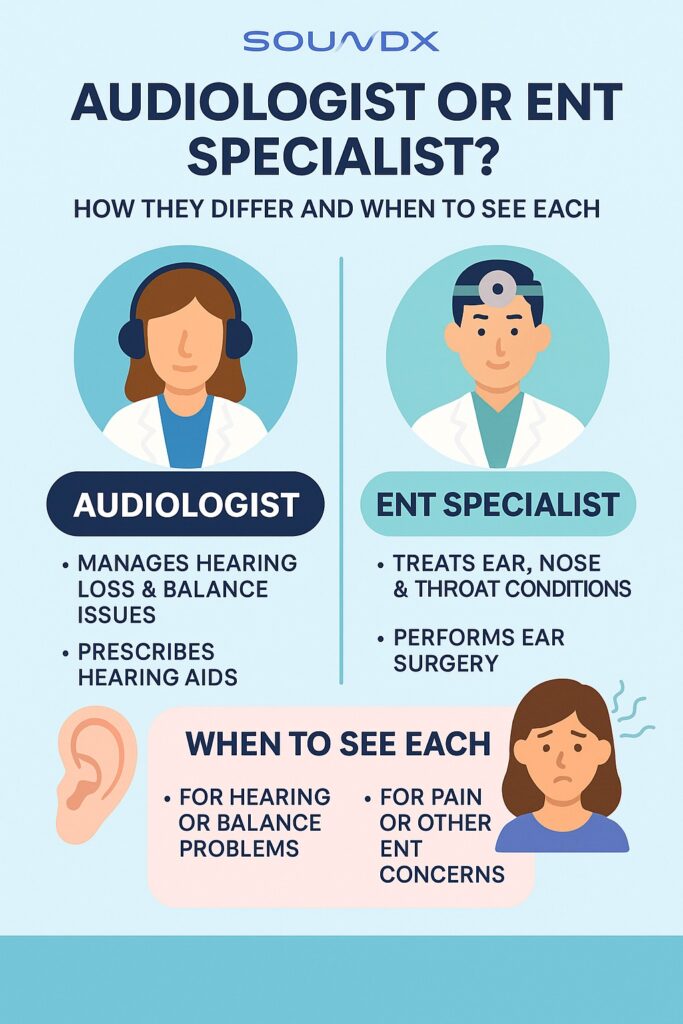
If you have trouble hearing, an audiologist is a healthcare professional who tests your hearing, fits hearing aids, and helps with issues like tinnitus, while an ENT specialist is a medical doctor who treats ear, nose, and throat problems and can perform surgery. Experts say starting with an audiologist is often best, as they can identify the problem and refer you to an ENT if needed. In the U.S., there are about 13,000 audiologists and 15,000 ENT specialists, and studies show professional hearing care can improve understanding of speech by 30–40% compared to using generic sound amplifiers.

“SoundX proudly participates in ISHACON 2025, Patna, Bihar — one of India’s largest and most respected audiology conferences!”

Capabilities of an Audiologist You Should Know

Audiologists are usually the first point of contact for any hearing-related concerns. They are mainly responsible for diagnosing and monitoring any type of hearing disorder, primarily issues pertinent to one’s auditory and vestibular systems. In other words, they should be consulted on matters of hearing damage or complete hearing loss. They can also help patients deal with auditory issues, including tinnitus and balance. In addition to offering support to their patients through the provision of medical hearing aids, they also assist them in improving their quality of life via counseling or communication training. In other words, audiologists mostly support patients with their hearing problems in non-intrusive ways.

If you’re curious about how professionals evaluate your hearing, learn about the hearing test process for a better understanding of what to expect during an appointment. In addition to offering support to their patients through the provision of medical hearing aids, they also assist them in improving their quality of life via counseling or communication training. Before getting fitted for a device, it’s important to understand all hearing aid tests that determine your specific hearing needs.

Capabilities of an ENT Specialist You Should Know

An ENT specialist (or otolaryngologist) is a doctor who treats problems with your ears, nose, and throat. They help patients with conditions like ear infections, sinusitis, sleep apnea, tonsillitis, and even certain cancers. Unlike audiologists, who mainly test hearing and provide hearing aids, ENT specialists can perform surgeries to fix hearing problems caused by infections, tumors, or other medical issues. Audiologists and ENT doctors often work together: an audiologist may refer you to an ENT for treatment, and an ENT may ask you to visit an audiologist to check your hearing progress.

Capabilities of an ENT Specialist

Signs You Should See an Audiologist Immediately

If you are suffering from any type of hearing disorder, an audiologist is the first go-to medical practitioner for your needs. An audiologist plays a role in the diagnosis of a hearing condition, however, he/she seldom can prescribe any medication or administer therapeutics to patients. If the hearing loss is caused by any serious medical condition and is not a result of aging or exposure to loud noise, they usually suggest you consult an ENT specialist. So, when should you consult an audiologist? 

Consult an Audiologist in the following scenarios:

  • Excessive Buildup of Earwax: Although they can’t perform a surgical procedure, an audiologist can help you remove excess earwax that gets built up in the ears over time. 
  • Diagnosis of Hearing Problems: If you are experiencing any kind of hearing difficulties, reach out to an audiologist, who will help you diagnose the condition, the severity of the condition as well as the underlying factors that might have contributed to the hearing problem. 
  • Tinnitus: Some individuals experience a constant ringing/buzzing in their ears, which can be high-pitched at times, and therefore, cause significant discomfort. Such hearing issues, if not severe, are usually treated by an audiologist.
  • Age-induced Hearing Loss: When age-related hearing loss is induced by age, it is usually corrected using a hearing aid. Generally, in such cases, no therapies are prescribed to the patients, or any surgical procedure is required. Therefore, an audiologist is perfectly capable of handling these cases. You can also check the difference between hearing aids and PSAPs to understand which device suits your level of hearing difficulty.

Although both ENT doctors and audiologists work together in most cases, they offer different levels of expertise when it comes to treating hearing-related conditions. An audiologist is often touted as a high-level hearing expert, whereas an ENT deals with much more complex hearing issues induced by underlying medical conditions. Further, an audiologist often follows a non-intrusive approach to treating hearing loss (through hearing aids), while an ENT specialist can prescribe medications, as well as perform surgeries if required. Now, the next time you face any hearing problem, make sure you contact the right medical professional to help you efficiently deal with it.

Bottom Lines:
Audiologists and ENT doctors both help with hearing problems but in different ways. An audiologist checks how well you hear and helps you with hearing aids, while an ENT doctor treats ear, nose, and throat problems and can do surgery if needed.

If you’re not sure who to visit, start with an audiologist. SoundX can help you get your hearing tested and connect you with the right care — so you can enjoy clear, comfortable hearing again.

Signs You Should See an ENT Specialist Immediately

If an audiologist thinks you need extra help, they may send you to an ENT doctor. The ENT can do more detailed tests to find out why your hearing isn’t working properly. If the problem is caused by something serious, like an ear infection or a small tumor, the ENT can treat it with medicine or surgery to help you hear better.

Consult an ENT Specialist in the following scenarios:

  • Otosclerosis: This condition is also termed as fused bones, and results in hardening of bones inside the ear. This is usually a consequence of bone growth within the ear. Surgery by an ENT doctor is the most favorable treatment option for this condition.
  • Sensorineural Hearing Loss: People who experience sudden sensorineural hearing loss are usually not suitable candidates for conventional medical therapies or hearing devices. They need a thorough examination by an ENT doctor to check for the possibility of a severe infection or the presence of benign tumors.
  • Ear Injuries/Head Trauma: If the hearing damage is induced by a head injury, an ENT specialist should be consulted for suitable diagnosis and treatment. 
  • Ototoxicity: Certain medications used for the treatment of cancer or serious heart ailments, can also cause loss of hearing. Such type of hearing loss is also overseen by an ENT specialist. 
  • Balance: Balance-related issues, which are usually caused due to erratic movement of the base of the skull are evaluated by an ENT doctor. 
  • Hearing Problems in Pediatric Population: As hearing loss in children is likely to be a consequence of a genetic disorder, an infection, or allergies, they need sophisticated and thorough evaluation by an ENT specialist before treatment.

Although both ENT doctors and audiologists work together in most cases, they offer different levels of expertise when it comes to treating hearing-related conditions. An audiologist is often touted as a high-level hearing expert, whereas, an ENT deals with much more complex hearing issues induced by underlying medical conditions. Further, an audiologist often follows a non-intrusive approach to treating hearing loss (through hearing aids), while an ENT specialist can prescribe medications, as well as perform surgeries if required. Now, the next time you face any hearing problem, make sure you contact the right medical professional to help you efficiently deal with it.

Audiologist vs ENT Specialist: A Comprehensive Comparison Guide

Understanding the Key Differences Between Hearing Healthcare Professionals

FeatureAudiologistENT Specialist (Otolaryngologist)
Professional TitleHealthcare professional specializing in hearingMedical doctor specializing in ear, nose, and throat
Number in U.S.Approximately 13,000Approximately 15,000
Primary FocusDiagnosing and monitoring hearing disorders; auditory and vestibular systemsTreating medical conditions of ears, nose, and throat; can address underlying causes
Treatment ApproachNon-intrusive methods (hearing aids, counseling, communication training)Can prescribe medications and perform surgical procedures
First Point of ContactOften the first professional to see for hearing concernsUsually consulted after audiologist referral or for complex medical issues
Diagnostic CapabilitiesHearing tests and assessments Audiograms Tinnitus evaluation Balance disorder testingComprehensive medical examinations Advanced diagnostic testing Identification of underlying medical causes
Prescribing AuthorityCannot prescribe medicationsCan prescribe medications
Surgical CapabilitiesCannot perform surgeryCan perform surgical procedures
Common Conditions TreatedAge-induced hearing loss Tinnitus (non-severe) Excessive earwax buildup General hearing difficulties Balance issues (assessment)Otosclerosis (fused bones) Sensorineural hearing loss (sudden) Ear infections Sinusitis Sleep apnea Tonsillitis Tumors (benign/cancerous) Ear injuries/head trauma Ototoxicity (medication-induced hearing loss) Pediatric hearing problems Balance disorders (skull base issues)
Services ProvidedHearing aid fitting and programming Hearing assessments Earwax removal (non-surgical) Tinnitus management Communication training CounselingMedical treatment Surgical interventions Medication prescriptions Treatment of infections Tumor removal Complex diagnostic procedures
Referral PatternRefers patients to ENT when medical/surgical intervention neededMay refer patients to audiologist for hearing testing and hearing aid management
Level of ExpertiseHigh-level hearing expertHandles complex hearing issues with underlying medical conditions
Improvement RateProfessional hearing care can improve speech understanding by 30-40% compared to generic amplifiersTreats medical causes that may restore or improve hearing through intervention
When to See ThemRoutine hearing problems Need for hearing aids Noise or age-related hearing loss Non-severe tinnitus Earwax removalSuspected serious medical conditions Sudden hearing loss Head/ear injuries Medication-related hearing loss Pediatric hearing issues Need for surgery Infections or tumors
Collaborative RoleWorks with ENT specialists; provides ongoing hearing care and monitoringWorks with audiologists; treats medical causes and performs necessary procedures

Conclusion

Audiologists and ENT specialists both play important roles in keeping your hearing healthy, but they focus on different aspects. An audiologist is usually the first professional to consult for hearing tests, hearing aids, and non-invasive treatments, while an ENT specialist handles medical conditions, infections, and surgeries related to the ears, nose, and throat. Working together, these professionals ensure you get the right care at the right time, improving your hearing and overall quality of life. If you notice any hearing issues, consulting the appropriate expert promptly can make a big difference in treatment and recovery.

FAQ

1. What does an audiologist do?
An audiologist tests your hearing, helps fit hearing aids, and treats issues like tinnitus or balance problems. They mainly use non-invasive methods to improve your hearing.

2. What does an ENT specialist do?
An ENT doctor treats ear, nose, and throat problems, including infections, tumors, and sinus issues. They can prescribe medicine and perform surgeries if needed.

3. When should I see an audiologist?
See an audiologist for routine hearing problems, age-related hearing loss, tinnitus, or earwax buildup. They can test your hearing and suggest hearing aids if needed.

4. When should I see an ENT specialist?
Visit an ENT if you have ear infections, sudden hearing loss, head or ear injuries, medication-related hearing problems, or need surgery for hearing issues.

5. Can an audiologist perform surgery?
No, audiologists cannot perform surgery or prescribe medications. They focus on hearing tests, hearing aids, and non-surgical treatment.

6. Can an ENT specialist fit hearing aids?
ENT specialists usually do not fit hearing aids, but they may refer you to an audiologist to help with hearing devices and ongoing hearing care.

7. Do audiologists and ENT doctors work together?
Yes, they often collaborate. Audiologists may refer patients to ENTs for medical treatment, and ENTs may send patients to audiologists for hearing assessments and device fitting.

8. Can professional hearing care improve hearing?
Yes, studies show professional hearing care can improve speech understanding by 30–40% compared to generic sound amplifiers, ensuring better hearing and quality of life.

Dr S.M. Tarique Audiologist says:

Not all hearing loss needs surgery . In fact most cases can be managed with modern hearing aids. But in some structural or medical cases, surgery can help.

Visit Profile- Dr. S.M. Tarique Najeeb