Make Your New Hearing Aids Comfortable in Just a Few Days
- 3 Nov 2026 6 min read
Reviewed and written by:
Dr. SM Tarique Najeeb
Dr. SM Tarique Najeeb is an Audiologist and Private Practitioner with experience in hearing aids, cochlear implants, and speech therapy. This blog is reviewed to ensure accurate, safe, and practical guidance for hearing aid trial and fitting.
Disclaimer
“This blog is for educational purposes only. It does not replace medical advice, diagnosis, or treatment. Always consult a qualified audiologist or hearing care professional before choosing or using a hearing aid.”
Hearing aids are customized for each person because no two people hear the same way. Hearing loss type, ear shape, lifestyle, and daily listening needs are different for everyone. Customization helps hearing aids work comfortably and clearly for the user.
Why Is One Hearing Aid Not Right for Everyone?
Hearing loss is not the same for all people. Some people struggle with soft sounds, while others find loud sounds uncomfortable. Some have hearing loss in one ear, while others in both.
Common differences include:
- Type of hearing loss
- Level of hearing loss
- Ear canal size and shape
- Age and lifestyle
- Daily sound environment
Because of these differences, hearing aids must be personalized.
How Do Hearing Tests Help in Customization?
The customization process starts with a hearing test. This test shows which sounds a person can hear and which they cannot.
Based on the test:
- Sound levels are adjusted
- Specific frequencies are amplified
- Comfort levels are set
- Noise control is personalized
This ensures the hearing aid supports natural hearing without discomfort.
How Brain Processing Improves With Customized Hearing Aids
Hearing loss does not only affect the ears, it also affects how the brain understands sound. When hearing aids are customized correctly, the brain receives clear and balanced sound signals.
Over time, this helps the brain:
- Understand speech faster
- Reduce listening effort
- Improve focus and memory
Customized hearing aids support both hearing and brain health.
Step-by-Step: How Hearing Aids Are Customized
- Hearing test and ear examination
- Selection of suitable hearing aid type
- Programming based on hearing loss
- Comfort and loudness adjustment
- Real-life testing and fine-tuning
This step-by-step process ensures accurate and comfortable hearing.
Customization for First-Time Hearing Aid Users
First-time users often feel sounds are loud or unusual at the beginning. Customization helps introduce sound slowly and comfortably.
For first-time users, customization focuses on:
- Gradual sound increase
- Comfort over loudness
- Easy adaptation for the brain
This approach improves long-term acceptance of hearing aids.
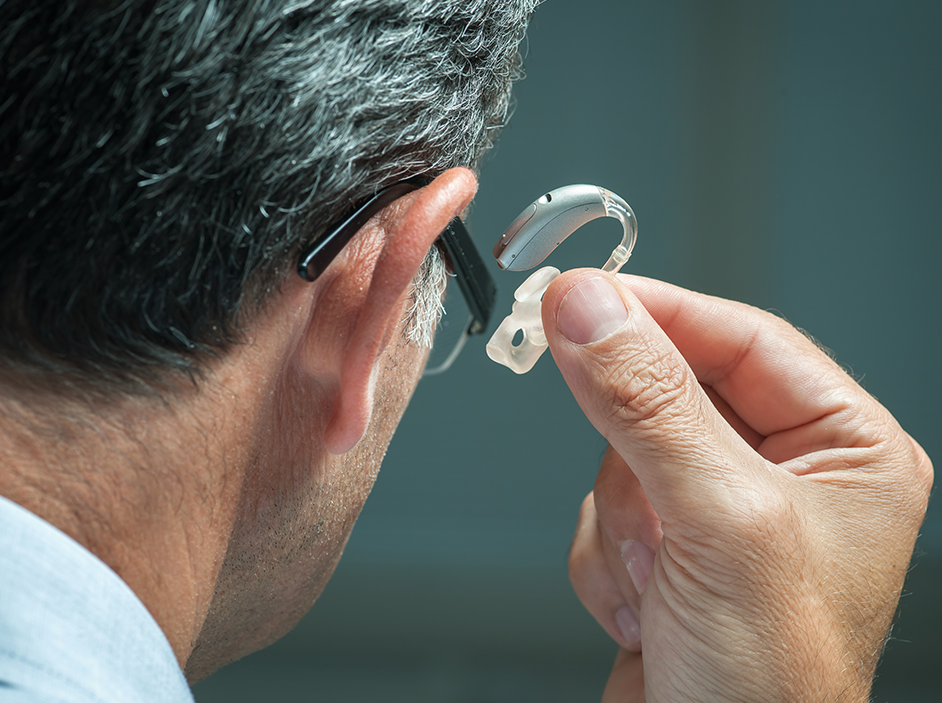
What Role Does Ear Shape Play in Hearing Aid Fitting?
Every ear is shaped differently. A hearing aid that does not fit properly can cause pain, feedback noise, or poor sound quality.
Customization includes:
- Ear canal measurement
- Choosing the correct hearing aid size
- Custom ear molds if required
A proper fit makes hearing aids comfortable for long daily use.
Lifestyle-Based Customization
Hearing aids are also customized based on daily life needs such as:
- Office or outdoor work
- Phone and TV usage
- Noisy social environments
- Senior-friendly handling
Lifestyle customization improves real-world listening comfort.
How Age Affects Hearing Aid Customization
Age plays an important role in hearing aid customization. Children, adults, and seniors all need different sound settings and handling features.
For example:
- Children need speech-focused sound
- Adults need work and social clarity
- Seniors need comfort and safety sounds
Age-based customization improves daily listening experience.
Real Statistics About Hearing Loss and Hearing Aids
- According to the World Health Organization, over 430 million people worldwide have disabling hearing loss
- Nearly 90% of hearing aid users benefit more from customized fitting than standard settings
- Studies show customized hearing aids improve speech understanding by up to 50%
- Proper fitting reduces hearing aid rejection rates by over 60%
These stats prove why customization is essential.
Customized Hearing Aids vs Non-Customized: Simple Comparison
| Feature | Customized Hearing Aids | Non-Customized Hearing Aids |
| Comfort | High | Often uncomfortable |
| Sound Clarity | Clear and natural | Distorted sound |
| Noise Control | Personalized | Limited |
| User Satisfaction | Very high | Low |
| Long-Term Use | Easy | Often discontinued |
Fact vs Myth About Hearing Aid Customization
Myth: Hearing aids are ready-to-use devices
Fact: They need professional programming for best results
Myth: Customization is only for expensive models
Fact: Even basic hearing aids need fitting
Myth: One setting works everywhere
Fact: Settings change based on environment and user needs
Why Audiologist Expertise Is Important
Customization is not just about machines; it requires professional knowledge. An audiologist understands hearing patterns, sound behavior, and comfort limits.
At SoundX, specialists focus on:
- Detailed hearing assessment
- Personalized device programming
- Comfort-based adjustments
- Follow-up fine-tuning
This expert approach ensures better hearing outcomes.
Why Follow-Up Sessions Matter
Hearing improves over time with regular fine-tuning.
Follow-ups help adjust sound, comfort, and clarity based on real-life experience.
Signs Your Hearing Aids Need Re-Customization
Hearing needs change over time, and hearing aids may need re-adjustment.
Common signs include:
- Sounds feel too loud or unclear
- Difficulty hearing speech again
- Discomfort in the ear
- Change in daily lifestyle
Regular checkups help maintain proper performance.
Risks of Using Non-Customized Hearing Aids
Using poorly fitted hearing aids can cause:
- Ear pain or irritation
- Loud sound discomfort
- Poor speech understanding
- Headaches and fatigue
- Complete rejection of hearing aids
Proper customization avoids these risks.
Simple Solutions for Better Hearing Results
To get the best results:
- Always get a professional hearing test
- Choose personalized fitting
- Attend follow-up sessions
- Share feedback with the audiologist
- Keep devices regularly adjusted
Professional care centers like SoundX guide users at every step.
Why Customization Reduces Hearing Aid Rejection
Many people stop using hearing aids due to discomfort or poor sound. Customization reduces these problems by matching hearing aids to real needs.
This increases:
- Daily usage
- Comfort
- Confidence
- Satisfaction
Proper customization lowers hearing aid rejection significantly.
Final Thoughts
Hearing aids are not one-size-fits-all devices. Customization helps people hear clearly, comfortably, and confidently in daily life. With expert support and personalized care, hearing aids can truly improve quality of life. SoundX focuses on tailoring hearing solutions that match individual hearing needs.
Customized hearing aids in India work best when supported by professional fitting and regular follow-up care.
FAQs: Hearing Aid Customization Explained
1. Why can’t I use hearing aids without customization?
Without customization, hearing aids may amplify sounds incorrectly. This can make hearing uncomfortable and unclear. Customization ensures the right sounds are amplified.
2. How long does hearing aid customization take?
The initial setup usually takes one session. Fine-tuning may take a few follow-ups to adjust sound levels based on real-life use.
3. Is hearing aid customization painful?
No. The process is safe and painless. Tests and fittings are done gently and professionally.
4. Do children need customized hearing aids?
Yes. Children’s hearing needs change as they grow. Customized hearing aids help support proper speech and learning development.
5. Can customization be changed later?
Yes. Hearing aids can be reprogrammed anytime if hearing levels or lifestyle needs change.
6. Are customized hearing aids expensive?
Customization does not always mean higher cost. Many basic hearing aids include professional fitting as part of care.
7. How often should hearing aids be re-adjusted?
It is recommended to review settings every 6–12 months or whenever hearing changes are noticed.
8. How do I choose the right hearing care center?
Choose a center with experienced audiologists, proper testing equipment, and ongoing support. Centers like SoundX focus on personalized hearing care.