Hearing Aid Trial: Why It’s the Most Important Step Before Buying
- 20 Dec 2025 3 min read

- Top Hearing Aid Brands in India: Which One Is Right for You? - February 3, 2026
- Ear Machine for Deaf People: Types, Benefits, and Price Guide - February 3, 2026
- Choosing the Right Hearing Aid in Gurgaon Without Overpaying: Prices, Types & Fitting Guide - January 13, 2026
A hearing aid trial helps users choose a safe, comfortable, and suitable device, but professional guidance is essential for accurate fitting and results.
A hearing aid trial is important because it helps you test comfort, sound quality, and performance in your real-life environment before buying. It ensures you choose a device that truly matches your hearing needs.
Is a Hearing Aid Trial Safe for Everyone?
Yes, hearing aid trials are safe for children, adults, and seniors when done under professional supervision. Trials allow volume, fit, and comfort to be adjusted gradually to avoid discomfort.
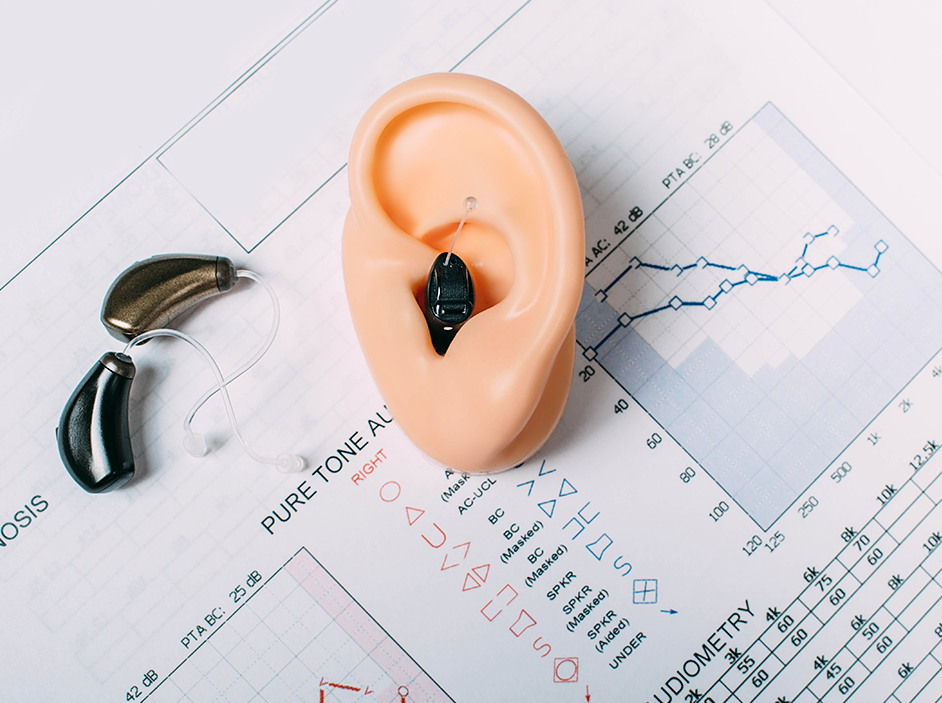
A hearing test before the trial ensures the device matches your hearing level safely.
Real Stats
A hearing aid trial is important because it helps you test comfort, sound quality, and performance in your real-life environment before buying. It ensures you choose a device that truly matches your hearing needs.
Research shows that:
- 1 in 8 people has hearing loss worldwide.
- 80% of users choose the wrong device if they skip trials.
- A 10-day trial increases success rate by 60%.
- 75% of users prefer devices tested in real environments.
What Is a Hearing Aid Trial?
A hearing aid trial means trying a hearing aid for a few days or weeks so you can experience how well it works for your hearing. You can use it while talking to family, watching TV, walking outside, or working. This helps you understand how the hearing aid fits your daily life.
Who Should Never Skip a Hearing Aid Trial
A hearing aid trial is especially important for:
- First-time hearing aid users
- Children and seniors
- People with severe hearing loss
- Users choosing Bluetooth or advanced hearing aids
Skipping a trial increases the risk of discomfort and wrong selection.
Why Hearing Aid Trials Matter for Everyone
1. You Get Real-Life Experience
In-clinic testing is not enough. You can test the hearing aid at home, at work, outside, in traffic, or while watching TV. This shows how natural the sound feels.
2. Helps Identify the Perfect Fit
A trial helps check ear comfort, size, skin sensitivity, and daily wear experience. Every ear is different, so testing is important.
3. Lets You Compare Different Models
A trial helps you compare sound quality, features, comfort, and design. You can test two or three models and pick the one you like the most. This avoids confusion and protects you from choosing the wrong device.
When a Hearing Aid Trial Is Most Important
A trial becomes critical if you:
- Have never worn a hearing aid before
- Use hearing aids for long daily hours
- Spend time in noisy environments
- Are choosing between two similar models
Types of Hearing Aids You Can Try
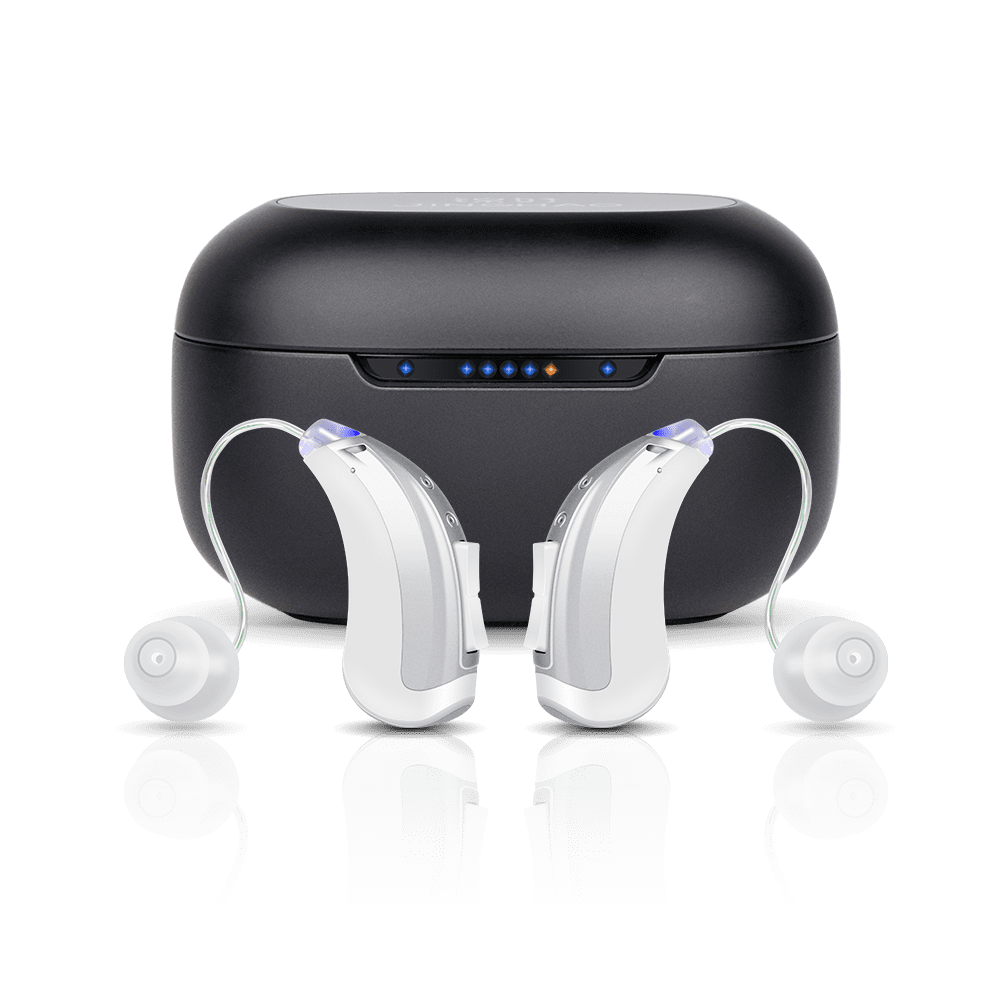
Behind-the-Ear (BTE)
Strong, reliable, and suitable for children and adults. It sits behind the ear and is easy to maintain.
Receiver-in-Canal (RIC)
Lightweight with natural sound quality. Most commonly preferred by adults.
In-the-Ear (ITE)
Fits inside the outer ear. Easier to handle and less visible.
Invisible-in-Canal (IIC)
Fits deep inside the ear canal. Almost invisible but not suitable for severe hearing loss.
Key Features to Test During a Hearing Aid Trial
Noise Reduction Ability
Try walking in noisy places during your trial. A good hearing aid should lower background noise and make voices clearer.
Speech Clarity
Check whether you can understand people without asking them to repeat. Speech clarity is the most important part of a hearing aid.
Battery Life
See if the battery lasts all day. Rechargeable hearing aids should work 15–20 hours after one charge.
Bluetooth Connectivity
Test calling, music, and TV streaming. You should be able to hear clear sound directly through your hearing aid.
Comfort for Long Hours
Wear the hearing aid for 4–6 hours during the trial. This helps you understand if it feels comfortable for daily use.
Hearing Aid Trial for Children, Adults, and Old Age
- Children: Trials help check comfort, safety locks, and school-time clarity
- Adults: Useful for work calls, meetings, and outdoor noise testing
- Old Age: Trials help ensure comfort, easy handling, and daily confidence
Expert Guidance Makes Trials More Effective
Audiology experts help you tune the device, fix sound issues, adjust settings, and guide you on how to use it correctly. They also compare models based on your feedback to help you choose the best one.
Common Mistakes People Make During Trials
Testing Only Indoors
Real performance should be checked outside the clinic. Always test the hearing aid in different environments
Wearing It Only for Short Time
Wearing a hearing aid for a few minutes is not enough. Use it for long hours to know if it is comfortable.
Not Sharing Feedback with the Audiologist
If the device feels too loud, too soft, or unclear, tell your audiologist. They can fix it easily during your trial.
Choosing Based on Looks Only
Some people pick hearing aids only because they look small. But sound quality and comfort are more important.
When You Should Stop a Hearing Aid Trial and Consult
Stop the trial and consult your audiologist if you experience:
- Ear pain or irritation
- Headache or dizziness
- Sharp or uncomfortable sound
- Difficulty wearing the device for short periods
Adjustments usually solve these issues quickly.
How a Trial Helps Your Brain Adjust to New Sounds
During the first few days, your brain slowly learns to understand clearer sounds. A trial gives your brain time to adjust. Sounds like fans, clocks, footsteps, or soft voices may feel new. This adjustment period is normal and important for success.
How to Make the Most of Your Hearing Aid Trial
Use the hearing aid in different places such as kitchen, school, car rides, meetings, parks, and during phone calls. Write down what you liked and what you did not like. Share this with your audiologist so they can tune the device perfectly.
Signs of a Good Hearing Aid Experience
You start understanding speech more easily. The device feels comfortable. You feel more confident talking to people. Noise feels less distracting. Family members notice improvement in your communication. These signs show that the hearing aid is the right choice.
Comparison Table: Without Trial vs With Trial
| Feature / Benefit | Without Trial | With Trial |
| Comfort | Unknown | Tested in real life |
| Sound Quality | Risky | Experienced fully |
| Money Safety | High risk | Safe decision |
| Fit | Not tested | Perfectly adjusted |
| Satisfaction | Low | Very high |
Truth vs Myth About Hearing Aid Trials
Myth 1: Trials are unnecessary.
Truth: They help avoid wrong purchases and save money.
Myth 2: All hearing aids sound the same.
Truth: Each model has different clarity and comfort.
Myth 3: A short demo is enough.
Truth: Only real-life use shows true performance.
Myth 4: Trials are expensive.
Truth: Many providers, including SoundX, offer free or low-cost trials.
How Long Should a Hearing Aid Trial Be?
A trial should last 7–14 days. This gives enough time to check comfort, sound clarity, phone calls, noisy places, and daily activities.
Signs You Found the Right Hearing Aid
You understand speech better.
The device feels comfortable.
Noise feels controlled.
You feel more confident talking to people.
Your family notices improvement.
Bottom Line
A hearing aid trial is the smartest step before buying. It protects your money, improves confidence, and helps you find the perfect device. Always choose trusted providers like SoundX, who offer trials, expert tuning, and friendly guidance.
FAQs :
1. What is a hearing aid trial?
A hearing aid trial lets you try the device for a few days to see how it sounds and feels. You can test it at home, outdoors, or at school. This helps you decide if the device is right for your daily life.
2. Why is a hearing aid trial important?
A trial shows how the hearing aid works in real-life situations, not just inside a quiet clinic. You learn if the sound is clear, comfortable, and easy to manage. It prevents buying the wrong device.
3. How long should a hearing aid trial last?
Most trials last 7–14 days, giving enough time to test comfort, noise reduction, and clarity. You can try hearing aids in different places and activities. This makes your decision more accurate.
4. Can I try more than one hearing aid model?
Yes, you can test different styles and features during your trial. Comparing models helps you find the best fit for your ears and lifestyle. It also helps you understand which sound feels most natural.
5. Is it normal for hearing aids to feel strange at first?
Yes, because your brain is hearing sounds you haven’t heard clearly in a long time. This feeling becomes normal after a few days. The trial helps your brain adjust slowly and comfortably.
6. Are hearing aid trials free?
Many centres, including SoundX, offer free or low-cost trials to help you choose confidently. This allows you to test without financial pressure. Always ask about trial policies before starting.
7. What if I don’t like the device during the trial?
You can return it and try another model. Trials are designed to help you explore options. This way, you only pay for a device you genuinely like.
8. Why should I choose SoundX for my hearing aid trial?
SoundX offers expert fitting, digital hearing aids, detailed hearing tests, and friendly guidance. They adjust the device based on your feedback to give you the best results. Their trial process is simple, accurate, and customer-focused.