Conductive Hearing Loss: Causes, Symptoms & Treatment Options in 2026
- 13 Jun 2026 3 min read

Expertise & Written By
Dr. S M Tarique Najeeb
Specialization in Management of Hearing and Speech Disorders (Audiologist)
Written By:
Content Team (Reviewed and guided by audiology expertise)
Conductive hearing loss occurs when sound cannot travel properly through the outer or middle ear before reaching the inner ear. It is often caused by ear infections, ear wax buildup, fluid behind the eardrum, or middle ear problems. The good news is that many cases of conductive hearing loss can be treated successfully when diagnosed early.
What is Conductive Hearing Loss?
Conductive hearing loss happens when there is a blockage or disruption in the pathway that carries sound from the outer ear to the inner ear.
This may occur due to:
- Ear wax blockage
- Ear infections
- Fluid in the middle ear
- Eardrum damage
- Problems with the middle ear bones
As a result, sounds may seem muffled, softer, or difficult to understand.
Importance of Early Diagnosis
Many people ignore mild hearing difficulties until they begin affecting daily life. However, early diagnosis can help identify the underlying cause and improve treatment outcomes.
Benefits of early diagnosis include:
- Better hearing recovery
- Improved communication
- Reduced social difficulties
- Better school and workplace performance
- Faster treatment
Early intervention often prevents hearing problems from becoming more severe.
Can Conductive Hearing Loss Be Reversed?
One of the biggest advantages of conductive hearing loss is that many cases are treatable. Unlike some permanent forms of hearing loss, conductive hearing loss is often linked to medical conditions that can be managed successfully.
Recovery depends on:
- The underlying cause
- Severity of the condition
- How early treatment begins
- Overall ear health
The earlier treatment starts, the better the chances of improving hearing.
Real Stats You Should Know
- Conductive hearing loss is one of the most common hearing conditions worldwide.
- Ear infections remain a leading cause of hearing-related problems in children.
- Early treatment significantly improves hearing outcomes.
- Millions of people experience temporary hearing difficulties due to ear-related conditions every year.
These numbers highlight the importance of regular hearing evaluations and timely treatment.
Common Causes of Conductive Hearing Loss
1. Ear Wax Buildup
Excessive ear wax can block the ear canal and prevent sound from reaching the eardrum properly.
2. Ear Infections
Middle ear infections can cause fluid buildup, reducing hearing ability.
3. Eardrum Perforation
A damaged eardrum may affect sound transmission and reduce hearing clarity.
4. Middle Ear Disorders
Problems affecting the tiny middle ear bones can interfere with hearing.
5. Foreign Objects in the Ear
This is especially common in children and can cause sudden hearing difficulties.
Who Is Most at Risk?
Certain individuals are more likely to develop conductive hearing loss.
Higher-risk groups include:
- Children with frequent ear infections
- Individuals with excessive ear wax buildup
- People with recurring middle ear problems
- Those with previous ear injuries
- Individuals with a history of eardrum damage
Understanding risk factors helps people seek treatment earlier.
Signs & Symptoms of Conductive Hearing Loss
1. Muffled Hearing
Sounds may seem softer or unclear.
2. Feeling of Ear Blockage
Many people describe a sensation of fullness inside the ear.
3. Difficulty Understanding Conversations
Speech may become difficult to understand, especially in noisy environments.
4. Ear Pain or Pressure
Some causes of conductive hearing loss may also produce discomfort.
5. Recurrent Ear Infections
Frequent infections can affect hearing over time.
Problems & Solutions
Problem 1: Ignoring Hearing Changes
Solution: Schedule a hearing evaluation as soon as symptoms appear.
Problem 2: Untreated Ear Infections
Solution: Seek medical care and follow treatment recommendations.
Problem 3: Delayed Diagnosis
Solution: Get hearing tested early to identify the underlying cause.
Problem 4: Communication Difficulties
Solution: Explore treatment options and hearing support when needed.
Problem 5: Persistent Hearing Loss
Solution: Consider professionally fitted hearing aids if recommended.
Conductive Hearing Loss Vs Normal Hearing
| Factor | Conductive Hearing Loss | Normal Hearing |
| Sound Transmission | Reduced | Normal |
| Speech Clarity | Often Muffled | Clear |
| Ear Health | May Involve Infection or Blockage | Healthy |
| Hearing Ability | Reduced | Normal |
| Treatment Potential | Often Treatable | Not Required |
| Daily Communication | May Be Difficult | Comfortable |
Myths vs Facts
Myth: All hearing loss is permanent.
Fact: Many cases of conductive hearing loss can be treated successfully.
Myth: Ear infections do not affect hearing.
Fact: Ear infections are one of the leading causes of conductive hearing loss.
Myth: Hearing loss only affects older adults.
Fact: Conductive hearing loss can occur in children and adults.
Myth: Hearing problems should be ignored if there is no pain.
Fact: Hearing loss can exist even without discomfort.
What Happens If Conductive Hearing Loss Is Left Untreated?
Ignoring hearing loss can affect multiple areas of life.
Potential consequences include:
- Communication difficulties
- Delayed speech development in children
- Reduced academic performance
- Workplace challenges
- Social withdrawal
Early intervention often prevents these complications.
Treatment Options for Conductive Hearing Loss
Hearing Aids
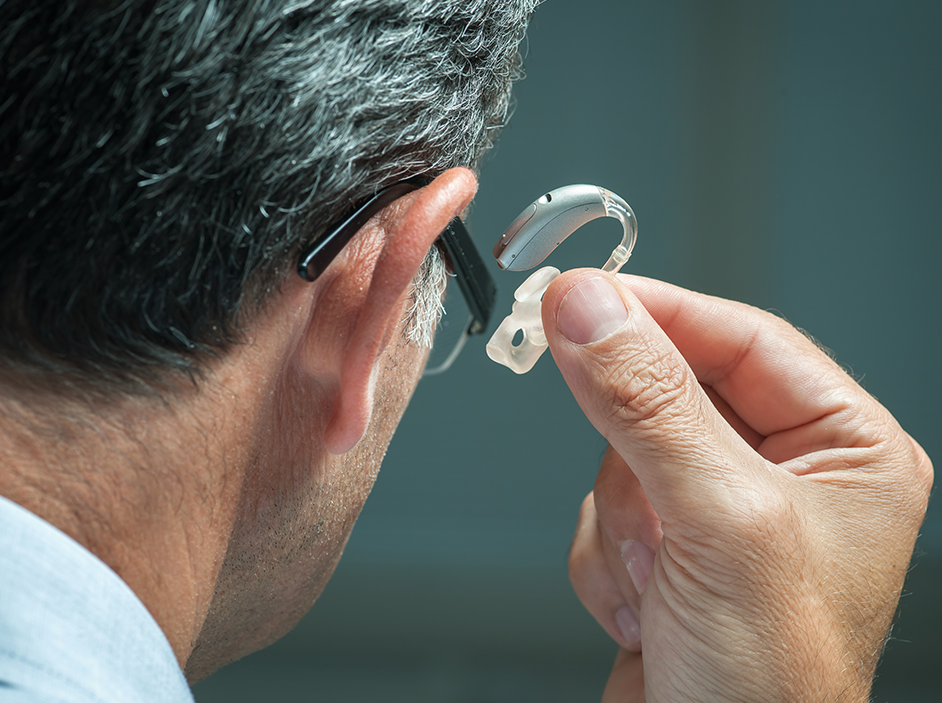
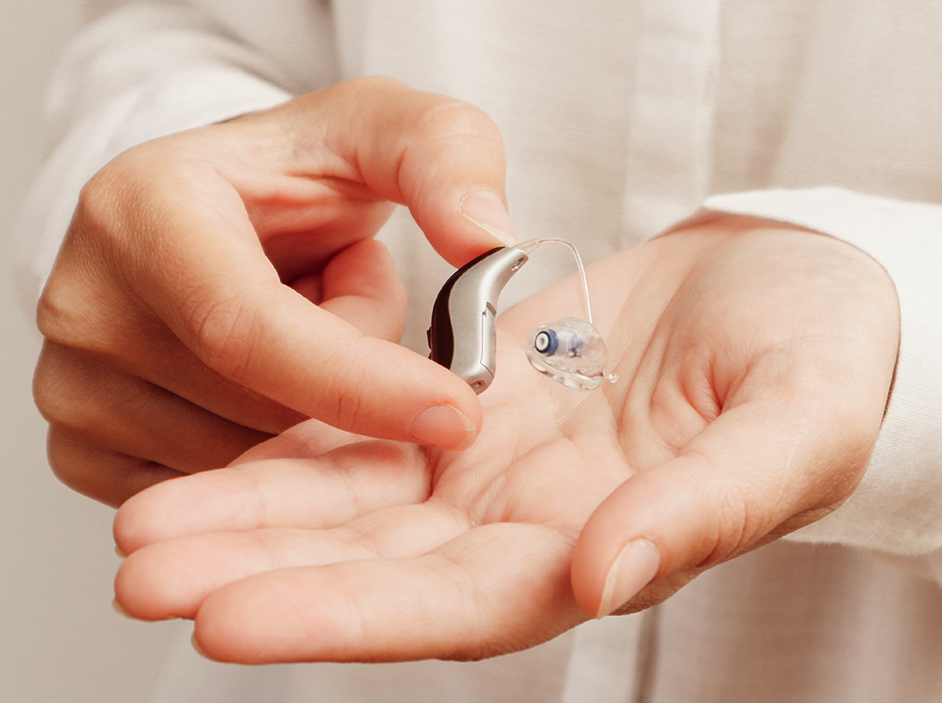
In some cases, conductive hearing loss may continue even after medical treatment or surgery. When hearing difficulties persist, hearing aids can help improve speech understanding, communication, and listening comfort.
Modern solutions such as SoundX Hearing Aids provide personalized hearing support based on an individual’s hearing condition and lifestyle needs.
Medical Treatment
If hearing loss is caused by infection, fluid buildup, or inflammation, medications may help treat the underlying condition.
Ear Wax Removal
Professional ear wax removal can restore hearing quickly when blockage is the primary cause.
Surgical Treatment
Certain conditions involving the eardrum or middle ear may require surgery to improve sound transmission.
Why Hearing Aids May Be Recommended
Hearing aids can help individuals who continue to experience hearing difficulties despite medical treatment.
Benefits include:
- Better speech clarity
- Improved communication
- Increased confidence
- Better social interaction
- Improved quality of life
Many people compare hearing aids prices in India while searching for solutions that match their hearing needs and budget.
When Should You Get a Hearing Test?
You should consider a hearing evaluation if:
- You frequently ask people to repeat themselves
- Hearing seems muffled
- Ear infections occur repeatedly
- You experience ear pressure or blockage
- Hearing difficulties affect daily life
Early testing helps identify the cause and determine the most appropriate treatment plan.
Hearing Support Available Across India
People looking to buy hearing aids in India often benefit from professional hearing evaluations before selecting a device. Proper testing and fitting help ensure that hearing solutions match individual hearing needs and lifestyle requirements.
Access to hearing care services is improving across India, making professional support more accessible than ever.
Hearing Care Support in Major Cities
Individuals searching for hearing aids in Lucknow often look for professional testing, fitting, and follow-up support before selecting a hearing device.
Similarly, people in Delhi, Noida, Kanpur, and Gurgaon are increasingly seeking personalized hearing care solutions that focus on long-term hearing improvement and comfort.
Centers like SoundX help individuals understand their hearing condition and explore suitable hearing solutions based on professional evaluations.
Why Many People Prefer SoundX Hearing Aids
Choosing the right hearing aid is just as important as identifying the type of hearing loss.
SoundX Hearing Aids focus on:
- Professional hearing evaluations
- Personalized fitting
- Advanced hearing technology
- Ongoing support and adjustments
- Improved speech clarity and comfort
A properly fitted hearing aid often provides better long-term results than choosing a device based on price alone.
Importance of Regular Hearing Checkups
Regular hearing assessments help:
- Detect hearing changes early
- Monitor treatment progress
- Improve hearing outcomes
- Support better communication
- Prevent unnecessary complications
Routine checkups are especially important for people with recurring ear problems.
Bottom Line
Conductive hearing loss is one of the most common forms of hearing loss and is often treatable when diagnosed early. Whether the cause is ear wax, infection, fluid buildup, or middle ear problems, timely treatment can significantly improve hearing outcomes.
For individuals who continue to experience hearing difficulties, professionally fitted solutions such as SoundX Hearing Aids can help improve communication, confidence, and overall quality of life.
FAQs
1. Is conductive hearing loss permanent?
No. Many cases of conductive hearing loss can be treated successfully depending on the cause. Conditions such as ear infections and ear wax blockages often respond well to treatment. Early diagnosis improves the chances of recovery.
2. What is the most common cause of conductive hearing loss?
Ear infections and ear wax buildup are among the most common causes. These conditions interfere with sound transmission through the ear. Treatment often restores hearing significantly.
3. Can children develop conductive hearing loss?
Yes. Children frequently experience conductive hearing loss due to ear infections and middle ear fluid. Early treatment is important because hearing affects speech and language development.
4. How is conductive hearing loss diagnosed?
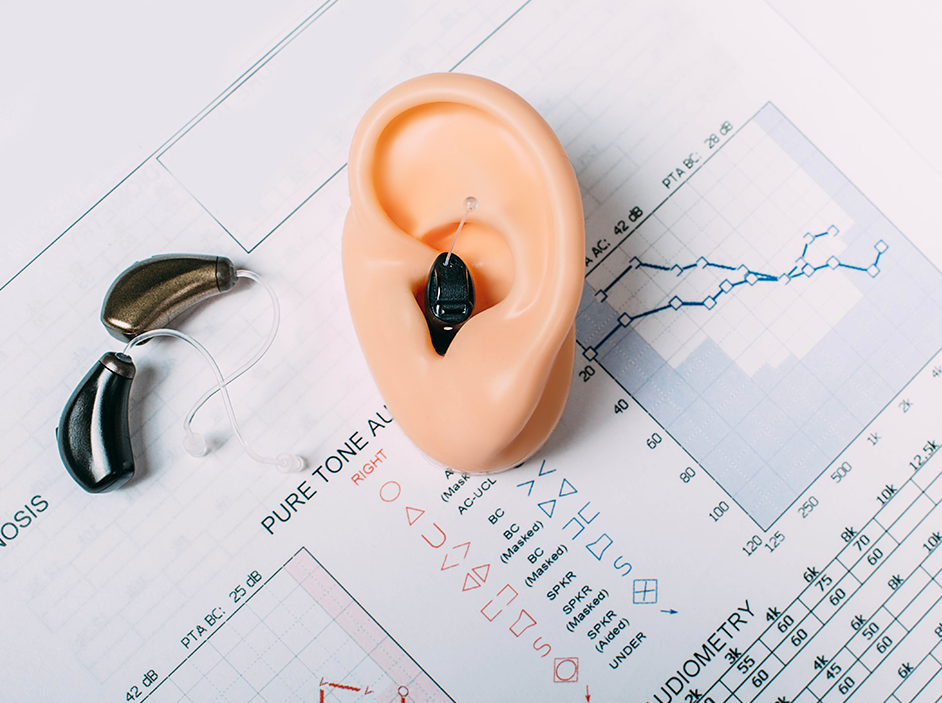
Diagnosis typically involves ear examinations and hearing tests. Professionals evaluate the ear canal, eardrum, and middle ear function. These tests help determine the cause of hearing difficulties.
5. Can hearing aids help conductive hearing loss?
Yes. Hearing aids may be recommended when hearing difficulties continue despite medical treatment. They help improve sound clarity, communication, and listening comfort.
6. What symptoms should I watch for?
Common symptoms include muffled hearing, ear pressure, difficulty understanding conversations, and recurring ear infections. If symptoms persist, a hearing evaluation is recommended.
7. Should I compare hearing aids prices before buying?
Yes. Comparing hearing aids prices in India can help you understand available options. However, hearing evaluations, fitting quality, and professional support are equally important considerations.
8. When should I seek professional help?
You should seek professional help whenever hearing difficulties persist or interfere with daily life. Early diagnosis often leads to better treatment outcomes and improved hearing health.
Disclaimer
This blog is for informational purposes only. Hearing loss diagnosis and treatment should always be guided by qualified hearing care professionals. Individual treatment recommendations may vary depending on the cause and severity of hearing loss.