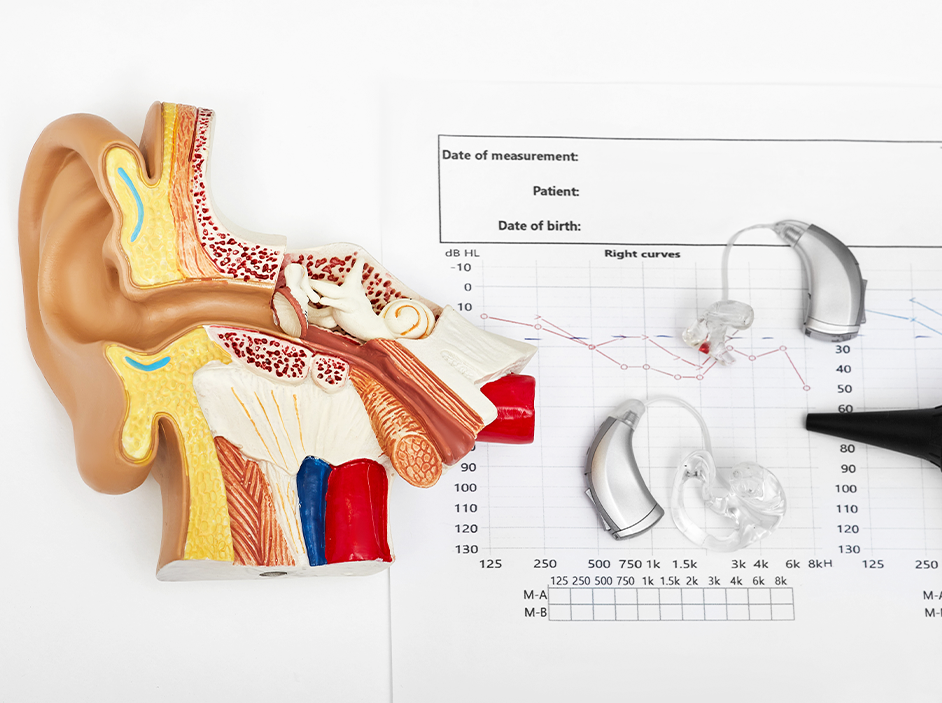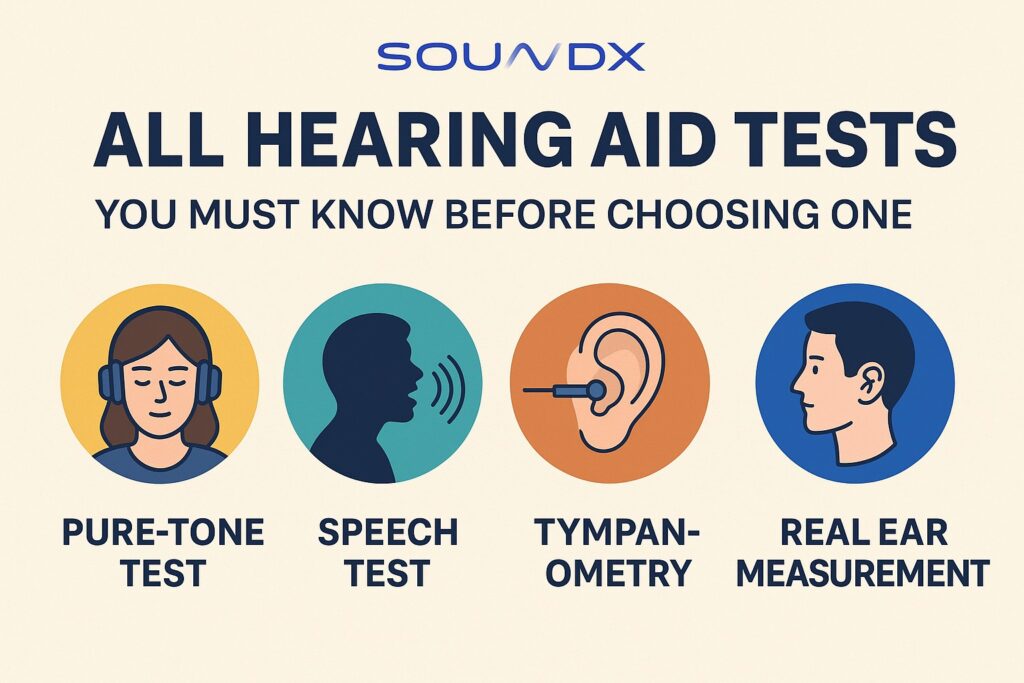

CIC hearing aids offer safe and effective hearing support for suitable users, but proper hearing testing and professional fitting are essential for comfort, safety, and best results.
CIC hearing aids (Completely-in-Canal hearing aids) are very small hearing devices that sit deep inside the ear canal. They are almost invisible from outside and help people with mild to moderately severe hearing loss hear sounds more clearly while keeping their hearing aid hidden.
Are CIC Hearing Aids Safe to Use?
Yes, CIC hearing aids are safe when selected after a hearing test and fitted by a trained audiologist. Safety depends on correct ear canal fit, suitable hearing loss level, and regular follow-ups.
Using CIC hearing aids without professional evaluation may cause discomfort or poor sound clarity.
What Are CIC Hearing Aids?
CIC hearing aids are among the smallest hearing aids available today. CIC means Completely-in-Canal, which tells us exactly where the device fits — deep inside the ear canal.
Because they sit so deep:
- They are hard to notice
- They use the ear’s natural shape to improve sound quality
- Wind noise is reduced compared to larger hearing aids
These hearing aids are custom-made, meaning they are designed based on the exact shape of your ear canal.
How CIC Hearing Aids Work
CIC hearing aids work just like other modern digital hearing aids, but in a much smaller size.
Here’s how they work step by step:
- A tiny microphone picks up sound from around you
- The digital processor cleans and improves the sound
- The speaker sends clear sound into your ear
- Your brain understands speech better
Because CIC devices sit closer to the eardrum, sound feels more natural.
Types of Hearing Loss Suitable for CIC Hearing Aids
CIC hearing aids are most suitable for:
- Mild hearing loss
- Moderate hearing loss
- Moderately severe hearing loss
They are not recommended for severe or profound hearing loss due to limited power.
Real and Accurate Hearing Loss Statistics
Understanding hearing loss helps you decide if a CIC hearing aid is right for you.
- Around 1.5 billion people worldwide live with some degree of hearing loss
- Nearly 430 million people need hearing aids for daily life
- In India, over 63 million people have hearing loss
- Only 20–25% of people who need hearing aids actually use them
Small and invisible hearing aids like CIC are helping more people feel comfortable using hearing devices.
When CIC Hearing Aids May NOT Be the Right Choice
CIC hearing aids may not be suitable if:
- Ear canals are very narrow or curved
- There is frequent earwax buildup
- Ear infections occur often
- Advanced Bluetooth streaming is required
A hearing professional helps confirm suitability.
Who Should Use CIC Hearing Aids?
CIC hearing aids are best for specific hearing needs.
CIC Hearing Aids Are Good For:
- Mild to moderately severe hearing loss
- Adults who want invisible hearing aids
- People who wear glasses or helmets
- Those sensitive about hearing aid visibility
CIC Hearing Aids Are NOT Ideal For:
- Severe to profound hearing loss
- Very small or very curved ear canals
- Children (ears are still growing)
A professional hearing test is essential before choosing CIC hearing aids.
How to Know If CIC Hearing Aids Are Right for You
CIC hearing aids may be right for you if you have mild to moderately severe hearing loss and want a hearing solution that stays hidden. If you feel uncomfortable wearing visible hearing aids or want a natural sound experience, CIC models are often a good choice. However, only a proper hearing test by an audiologist can confirm suitability, because ear canal size, hearing level, and lifestyle all matter. Choosing CIC hearing aids without professional evaluation can lead to poor results.
Key Benefits of CIC Hearing Aids
- Almost Invisible Design
CIC hearing aids are placed deep inside the ear canal, which makes them very difficult to notice from the outside. Even when someone is standing close or talking face to face, the hearing aid usually remains hidden. This invisible design helps users feel confident in social, professional, and public situations without worrying about their hearing aid being seen.
- Natural Sound Experience
Because CIC hearing aids sit inside the ear canal, they use the ear’s natural shape to collect and direct sound. This helps sounds feel more real and balanced, rather than artificial or robotic. Many users say voices and everyday sounds feel more natural compared to larger hearing aids.
- Less Wind Noise
The deep placement of CIC hearing aids protects the microphone from direct wind exposure. This reduces the disturbing “whooshing” noise that often happens with hearing aids worn outside the ear. As a result, listening outdoors becomes more comfortable, especially while walking or traveling.
- Comfortable for Glasses Users
CIC hearing aids do not sit behind the ear, so there is no pressure from spectacle frames or helmet straps. This makes them very comfortable for people who wear glasses throughout the day. Users can wear their eyewear normally without irritation or discomfort caused by overlapping devices.
- Better Phone Call Clarity
Since CIC hearing aids are placed inside the ear canal, users can hold a phone naturally without adjusting its position. This reduces feedback and improves call clarity. Conversations on mobile phones feel clearer and more comfortable compared to some larger hearing aid styles.
If you want, I can now merge this section perfectly into your full blog or rewrite other sections the same way.
CIC Hearing Aids vs Invisible Sound Amplifiers
Many people confuse CIC hearing aids with invisible sound amplifiers sold online, but they are very different. CIC hearing aids are medical-grade devices that are programmed according to your hearing test, while sound amplifiers simply make all sounds louder. Amplifiers can increase noise and even harm hearing if used incorrectly. CIC hearing aids, when fitted by professionals, improve speech clarity safely and protect long-term hearing health.
Limitations of CIC Hearing Aids (Honest Truth)
No hearing aid is perfect, and CIC devices also have limits.
- Small size means smaller batteries
- Battery life is shorter than larger hearing aids
- No manual volume control (too small)
- Needs careful handling and cleaning
- Not suitable for heavy earwax issues
Knowing both pros and cons helps make the right choice.
CIC Hearing Aids for Adults and Old Age
CIC hearing aids work well for adults and seniors who:
- Have good finger control
- Prefer discreet hearing solutions
- Have mild to moderate hearing loss
Seniors with handling difficulty may prefer RIC or rechargeable options.
Common Mistakes People Make While Choosing CIC Hearing Aids
One common mistake is choosing CIC hearing aids only because they are invisible, without checking if they suit the hearing loss level. Another mistake is buying devices without a professional hearing test, which often leads to poor sound quality. Many users also ignore maintenance needs, even though CIC hearing aids require regular cleaning due to deep ear placement. Avoiding these mistakes helps ensure better comfort and performance.
First-Time User Experience With CIC Hearing Aids
First-time users may notice that sounds feel louder or different during the first few days of wearing CIC hearing aids. This is normal because the brain needs time to adjust to hearing sounds it missed earlier. Most users adapt within one to two weeks with regular use. Follow-up visits with an audiologist help fine-tune the settings and make listening more comfortable over time.
Adjustment Period: What Is Normal and What Is Not
Normal during first days:
- Slight loudness
- New background sounds
Not normal:
- Pain or irritation
- Sharp or distorted sound
Audiologist tuning usually fixes these issues quickly.
CIC vs ITC vs RIC vs BTE Hearing Aids (Accurate Comparison)
| Feature | CIC | ITC | RIC | BTE |
| Visibility | Almost invisible | Slightly visible | Visible | Most visible |
| Placement | Deep inside canal | Canal opening | Behind ear + wire | Behind ear |
| Hearing Loss Range | Mild–Moderate | Mild–Moderate | Mild–Severe | Mild–Profound |
| Battery Life | Short | Medium | Longer | Longest |
| Controls | Automatic | Limited | Full features | Full features |
| Maintenance | High | Medium | Medium | Low |
| Best For | Privacy lovers | Balanced users | Tech lovers | Power needs |
Why Professional Fitting Matters for CIC Hearing Aids
Professional fitting is extremely important for CIC hearing aids because they are custom-made and sit deep inside the ear canal. A poor fit can cause discomfort, feedback noise, or reduced sound clarity. Audiologists adjust the device based on hearing test results and real-life listening needs. Proper fitting ensures comfort, safety, and the best possible hearing improvement.
CIC Hearing Aids Technology Explained Simply
Modern CIC hearing aids are fully digital and include smart features like:
- Noise reduction for busy places
- Feedback control (no whistling sound)
- Directional microphones for speech clarity
- Bluetooth (available in some advanced models)
- Automatic sound adjustment
Despite their small size, they are powerful.
Expert Insight: Audiologist’s View
As a hearing care professional with 20+ years of experience, one thing is clear:
“People delay hearing aids mainly due to visibility fear. CIC hearing aids solve this problem and increase acceptance.”
Many first-time users choose CIC because:
- They feel confident
- Friends don’t notice the device
- Sound quality feels natural
How CIC Hearing Aids Are Custom Made
CIC hearing aids are not one-size-fits-all.
Process:
- Ear impression is taken by an audiologist
- Device shell is designed exactly for your ear
- Digital programming is done based on hearing test
- Final fitting and fine-tuning
This custom fit improves comfort and sound quality.
CIC Hearing Aids and Lifestyle Compatibility
CIC hearing aids work well for office environments, social gatherings, and daily conversations because of their discreet design. They are comfortable for people who wear glasses or masks and suit users who prefer a natural listening experience. However, people with very active outdoor lifestyles or heavy sweating may need extra care. Understanding lifestyle needs helps in choosing the right hearing aid style.
CIC Hearing Aids Price in India (Realistic Range)
CIC hearing aid prices depend on brand, features, and technology level.
Average price range in India:
- Basic CIC: ₹45,000 – ₹65,000
- Mid-range CIC: ₹70,000 – ₹1,00,000
- Advanced CIC: ₹1,10,000 – ₹1,60,000
Prices may vary based on warranty and service support.
CIC Hearing Aids Care and Maintenance Tips
Because CIC hearing aids are small, care is very important.
- Clean daily with soft cloth
- Keep away from moisture
- Remove at night
- Store in dry box
- Change batteries on time
Proper care increases device life and performance.
Facts vs Myths About CIC Hearing Aids
Myth 1: CIC hearing aids are only cosmetic and not effective
Many people believe CIC hearing aids are used only to hide hearing loss and do not actually improve hearing. This is incorrect because CIC hearing aids use advanced digital technology to improve sound clarity and speech understanding, just like larger hearing aids.
Fact 1: CIC hearing aids are powerful despite their small size
Even though CIC hearing aids are very small, they are designed to deliver strong and clear sound for mild to moderately severe hearing loss. Modern CIC devices use digital processors that reduce noise and improve speech, making them effective for daily communication.
Myth 2: CIC hearing aids damage ears because they sit deep
Some people think that because CIC hearing aids sit deep inside the ear canal, they can harm the ear or eardrum. When fitted correctly by a trained professional, CIC hearing aids are safe and do not damage the ear.
Fact 2: CIC hearing aids improve speech understanding in quiet environments
CIC hearing aids are especially good at improving speech clarity in quiet settings like homes or small meetings. Their placement inside the ear canal helps deliver sound more naturally, making conversations easier to understand.
Myth 3: Only old people use CIC hearing aids
It is a common misunderstanding that hearing aids, including CIC models, are meant only for elderly people. Hearing loss can affect adults of all ages, including young professionals and middle-aged individuals.
Fact 3: CIC hearing aids are safe when fitted by professionals
When CIC hearing aids are selected, fitted, and adjusted by an audiologist, they are safe and comfortable for daily use. Professional fitting ensures the device matches the ear shape and hearing needs, preventing discomfort or harm.
Extra Section: Are CIC Hearing Aids Comfortable for Daily Use?
Yes, when fitted correctly.
Most users forget they are wearing them after a few days. Comfort depends on:
- Correct ear impression
- Proper fitting
- Regular follow-ups
Professional fitting makes all the difference.
Who Should Avoid CIC Hearing Aids?
You may need another type if:
- You sweat excessively
- You have frequent ear infections
- You need Bluetooth streaming often
- You have severe hearing loss
An audiologist will guide you to the best option.
Final Thoughts:
CIC hearing aids are a smart choice for people who want:
- Clear hearing
- Natural sound
- Invisible design
- Confidence in social life
However, professional guidance is very important.
If you are considering CIC hearing aids, SoundX offers expert hearing evaluations, personalized fittings, and modern CIC hearing aid solutions designed for comfort, clarity, and long-term support.
FAQs :
1. Are CIC hearing aids completely invisible?
CIC hearing aids are almost invisible because they sit deep inside the ear canal. Most people cannot notice them during normal conversation. Visibility also depends on ear shape.
2. Can CIC hearing aids be used for severe hearing loss?
No, CIC hearing aids are mainly suitable for mild to moderately severe hearing loss. For severe hearing loss, stronger models like BTE or RIC are recommended.
3. How long do CIC hearing aid batteries last?
Battery life usually ranges from 3 to 7 days depending on usage. Smaller size means smaller batteries, so frequent replacement is normal.
4. Are CIC hearing aids comfortable to wear all day?
Yes, when properly fitted by an audiologist, they are comfortable for full-day use. Custom fitting plays a key role in comfort.
5. Do CIC hearing aids work well on phone calls?
Yes, CIC hearing aids work well with phone calls and usually have less feedback. You can use your phone normally without special positioning.
6. Can elderly people use CIC hearing aids easily?
Yes, but handling small batteries and cleaning may be challenging. In such cases, family support or alternative models may be better.
7. Do CIC hearing aids require regular servicing?
Yes, regular cleaning and periodic check-ups are needed. Professional servicing ensures better sound quality and longer device life.
8. Where can I get reliable CIC hearing aids in India?
You should choose a trusted hearing care provider like SoundX, which offers hearing tests, genuine devices, proper fitting, and after-sales support.