What are the different types of hearing aids?

Written by- Dr. S.M. Tarique Najeeb

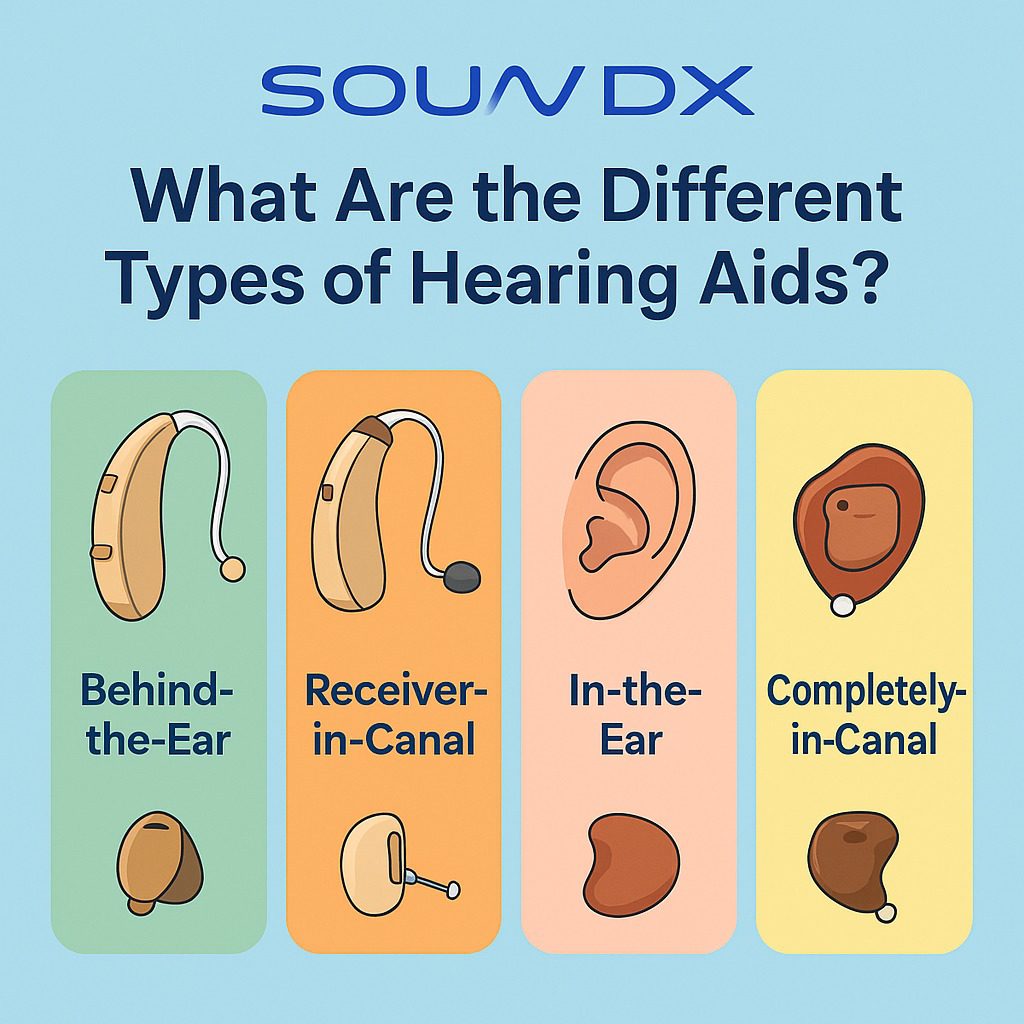
There are mainly two main types of hearing aids — In-the-Ear (ITE) and Behind-the-Ear (BTE).
These two types come in many small designs to fit different ears and lifestyles.

According to the World Health Organization (WHO), more than 430 million people around the world live with hearing loss. Many of them use hearing aids to hear clearly, enjoy conversations, and live better lives.
Buying a new hearing aid can be confusing because there are so many shapes, sizes, and features. But don’t worry — let’s understand them in a simple way.

In-the-Ear (ITE) Hearing Aids

ITE hearing aids fit inside your ear. They are made just for your ear shape, so they feel comfortable.
All the small parts — like the microphone and speaker — are placed inside a tiny shell that fits in your outer ear.
ITE hearing aids are good for mild to severe hearing loss and may include special features like telecoils (which help you hear better in noisy places) and directional microphones (which focus on sounds coming from in front of you).

Common types of ITE hearing aids include:

  • Invisible-in-Canal (IIC)
  • Completely-in-Canal (CIC)
  • In-the-Canal (ITC)
  • Low-profile models
Type of hearing aids

Now, let’s understand each one simply

1. Invisible-in-Canal (IIC):
IIC hearing aids are the smallest type and fit deep inside the ear canal, making them almost invisible. They are very comfortable and make sounds feel natural, but they need careful cleaning and are best for people with mild to moderate hearing loss and wide ear canals.

2. Completely-in-Canal (CIC):
CIC hearing aids are slightly bigger than IICs and sit a little higher in the ear canal. They are still mostly hidden, easier to handle, and better at reducing wind noise, making them suitable for people who want a small but durable device.

3. In-the-Canal (ITC):
ITC hearing aids sit partly in the ear canal and partly in the outer ear. They are larger, so they can have extra features like longer battery life and directional microphones. They are easier to use than smaller types but might sometimes feel like the ear is slightly plugged.

4. Low-Profile Models:
Low-profile hearing aids are the largest ITE type, filling half or the entire outer ear. They can include many extra features and are very comfortable to wear. The only downside is that they are more visible, but they are easy to handle and adjust, making them ideal for people with moderate to severe hearing loss.

Behind-the-Ear (BTE) Hearing Aids

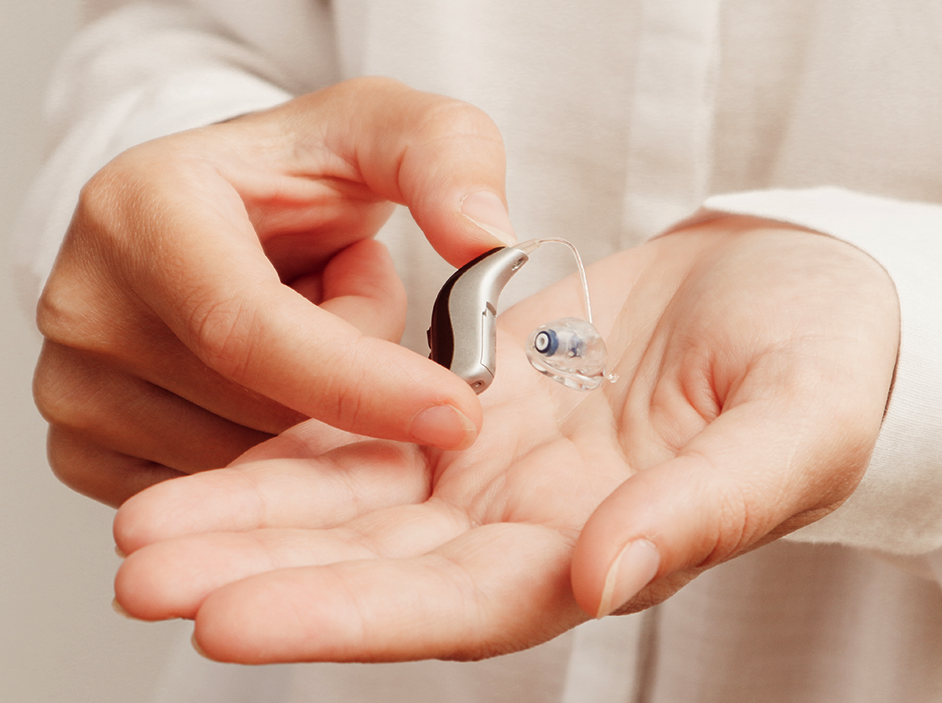
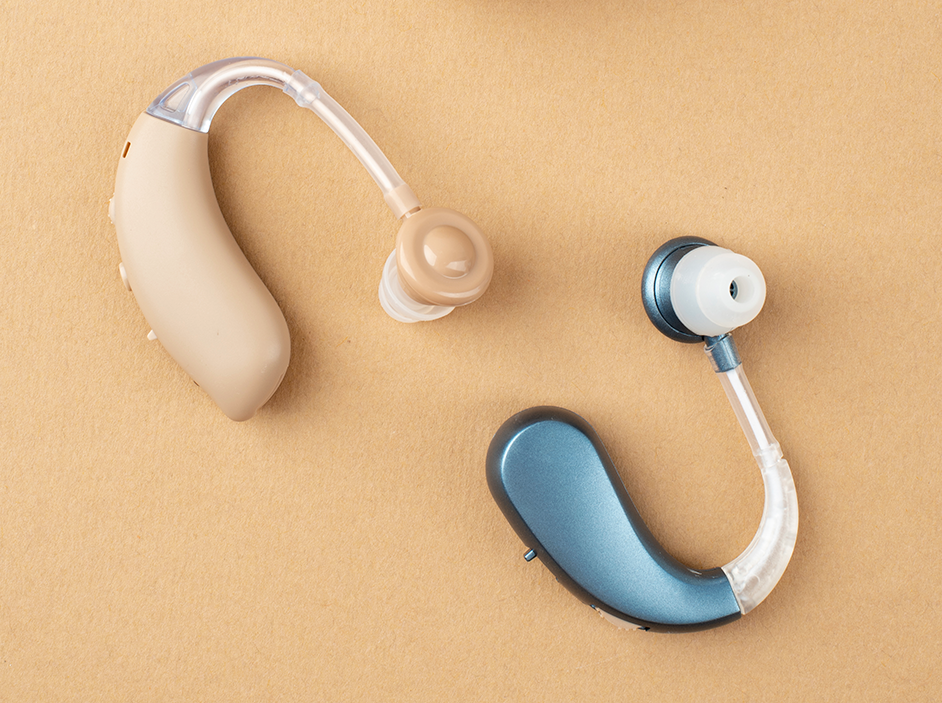
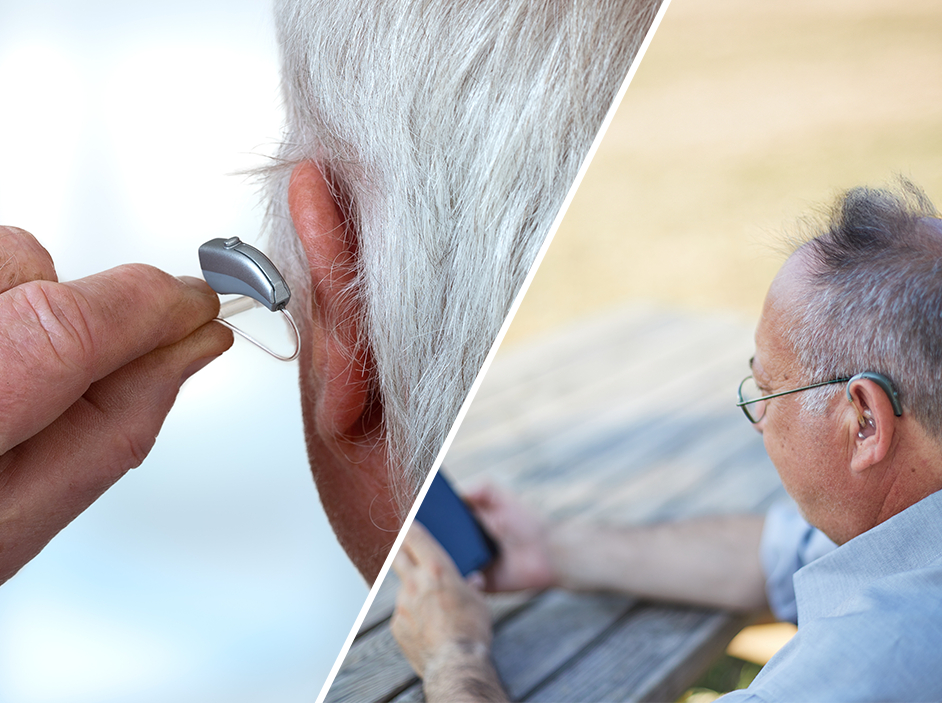
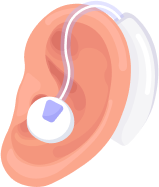
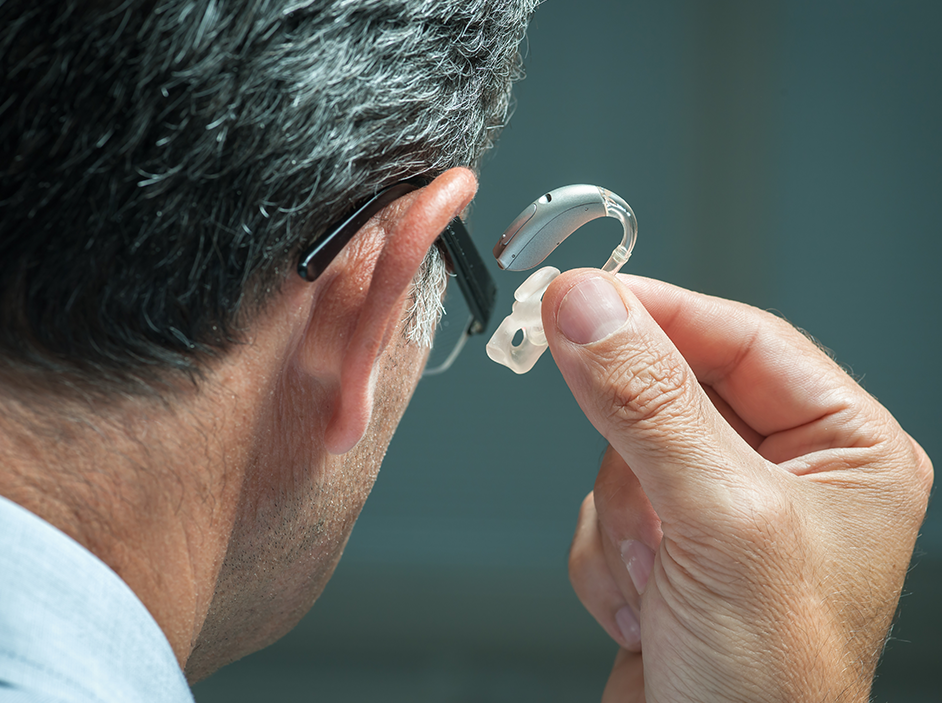
BTE hearing aids sit behind your ear. A small plastic tube connects the device to an ear mold that fits inside your ear.
They are the most common type and can help with all levels of hearing loss — from mild to severe.

Good things about BTEs:

  • Strong and easy to handle.
  • Long battery life and more features.
  • Great for both children and adults.

Fact: BTE hearing aids are used by nearly 70% of hearing aid users worldwide because they are reliable and fit most people comfortably.

Types of Hearing Aids – Complete Comparison Guide

Hearing Aid TypeMain CategorySize & VisibilityPlacement LocationBest For (Hearing Loss Level)Key FeaturesAdvantagesDisadvantagesBattery LifeIdeal User ProfileEase of HandlingSpecial Requirements
Invisible-in-Canal (IIC)In-the-Ear (ITE)Smallest – Almost completely invisibleDeep inside ear canalMild to moderate hearing lossCustom-fitted shell, natural sound quality, discreet designNearly invisible, very comfortable, natural sound feel, cosmetically appealingRequires careful cleaning, needs wide ear canals, limited features, can be difficult to handleShort (small batteries)People wanting maximum discretion with mild hearing loss and wide ear canalsDifficult – small size makes insertion/removal challengingWide ear canals required, regular professional cleaning needed
Completely-in-Canal (CIC)In-the-Ear (ITE)Very small – Mostly hiddenSits higher in ear canal than IICMild to moderate hearing lossCustom-molded, better wind noise reduction, slightly larger than IICMostly hidden, easier to handle than IIC, good wind noise reduction, durableStill small and requires care, limited battery capacity, fewer features than larger modelsShort to moderateActive individuals who want discreet devices but need easier handling than IICModerate – slightly easier than IIC but still requires dexterityManual dexterity needed, regular cleaning required
In-the-Canal (ITC)In-the-Ear (ITE)Medium – Partly visiblePartly in ear canal, partly in outer earMild to moderate hearing lossDirectional microphones, longer battery life, more features than smaller ITEsEasier to use and handle, better features, longer battery, good balance of size and functionPartially visible, may cause plugged ear sensationModeratePeople who want balance between discretion and functionalityEasy – larger size aids handlingNone specific, suitable for most users
Low-Profile (Full Shell/Half Shell)In-the-Ear (ITE)Largest ITE – Most visibleFills half or entire outer ear bowlModerate to severe hearing lossMaximum features (telecoils, volume controls, Bluetooth), very comfortable, powerful amplificationMany advanced features, very comfortable, easy to handle and adjust, powerful soundMost visible ITE type, larger physical presenceLong (larger batteries)People with moderate to severe hearing loss who prioritize features and ease of use over discretionVery easy – large enough for easy manipulationNone – most accessible ITE option
Behind-the-Ear (BTE)Behind-the-Ear (BTE)Visible – Sits behind earBehind ear with tube connecting to ear mold inside earMild to severe hearing loss (all levels)Robust construction, maximum features, long battery life, directional microphones, telecoils, BluetoothStrong and durable, easy to handle, longest battery life, most features available, suitable for children and adults, fits most ear shapesVisible design, tube may be noticeable, can interfere with glassesVery long (largest batteries)Anyone with any level of hearing loss, especially children, elderly, or those needing maximum features and durabilityVery easy – largest size makes all adjustments simpleEar mold fitting required, may need adjustments with glasses

Global Impact: Over 430 million people worldwide live with hearing loss (WHO). Nearly 70% of hearing aid users choose BTE models due to reliability and comfort.

Professional Recommendation: Consult hearing care professionals for hearing tests and personalized fitting to ensure optimal comfort and performance for your specific needs and lifestyle.

Why the Right Fit Matters

When choosing a hearing aid, it’s not just about how bad your hearing is. You also need to think about your lifestyle. For example, do you play sports or spend most of your time indoors? Do you want your hearing aid to be hidden, or is it okay if people can see it?

Knowing the good and bad points of each type of hearing aid can help you pick the one that works best for you. A hearing expert can guide you, but it’s helpful to know all the options before making a choice.

Final Thoughts

Whether you are using a hearing aid for the first time or replacing an old one, knowing about different types helps you choose wisely.
If you’re still unsure, visit SoundX Hearing Solutions. Their professionals can test your hearing and help you pick a hearing aid that fits your ear perfectly and makes your daily life easier.

FAQ

1. What is a hearing aid?
A hearing aid is a small device that makes sounds louder so people with hearing loss can hear better. It helps you understand conversations and enjoy everyday sounds.

2. What are the main types of hearing aids?
The two main types are In-the-Ear (ITE) and Behind-the-Ear (BTE). Each type comes in different sizes and styles to fit different ears and lifestyles.

3. Who can use ITE hearing aids?
ITE hearing aids fit inside the ear and are suitable for people with mild to severe hearing loss. They are comfortable, custom-made, and mostly hidden from view.

4. What is the smallest hearing aid?
Invisible-in-Canal (IIC) hearing aids are the tiniest and almost invisible. They fit deep in the ear canal and feel natural, but need careful cleaning.

5. Why are BTE hearing aids so popular?
BTE hearing aids sit behind the ear and are easy to handle. They work for all levels of hearing loss and have long battery life with many features.

6. Can children use hearing aids?
Yes, children can use both ITE and BTE hearing aids. Professionals adjust them to fit tiny ears safely and comfortably.

7. How do I know which hearing aid is right for me?
It depends on your hearing loss, ear shape, and lifestyle. A hearing expert can test your ears and help you choose the best one.

8. Do I need to clean my hearing aids?
Yes, cleaning your hearing aids regularly keeps them working well. Proper care also prevents damage from earwax or moisture.

Dr S.M. Tarique Audiologist says:

Step away from the cotton buds! Most ear-cleaning mistakes do more harm than good.

Visit Profile- Dr. S.M. Tarique Najeeb
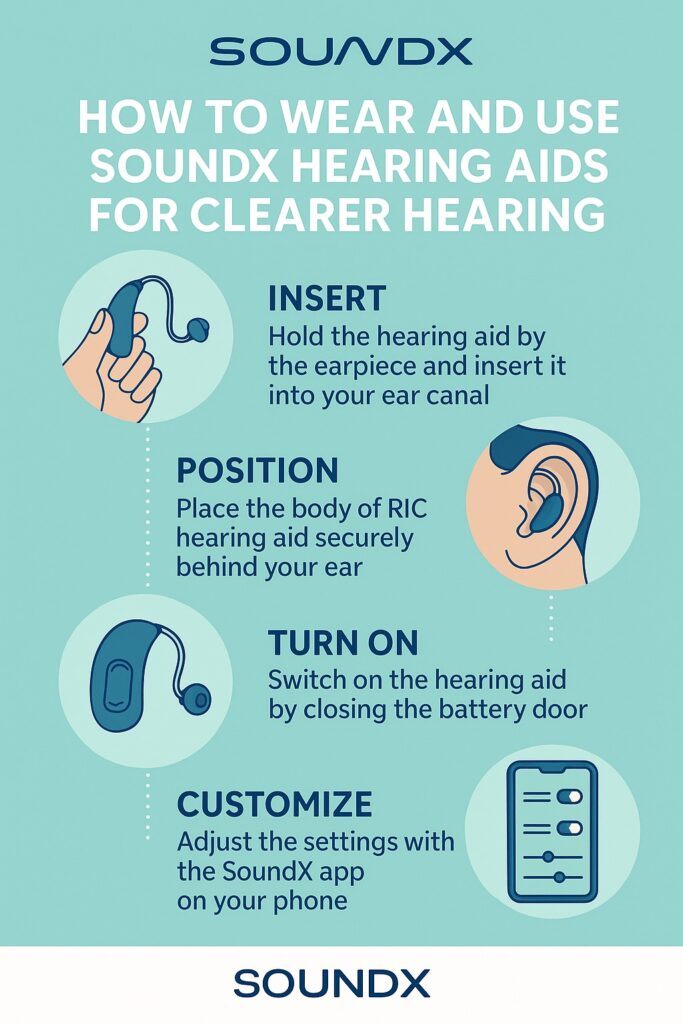
How to Wear and Use SoundX Hearing Aids for Clearer Hearing

Written by- Mr Shivam Singh

This guide will help you learn how to set up, use, and take care of your SoundX hearing aids. It will show you easy steps so you can hear better and keep your hearing aids working well every day.

“SoundX proudly participates in ISHACON 2025, Patna, Bihar — one of India’s largest and most respected audiology conferences!”

What Are the Main Parts of SoundX Hearing Aids and How They Work?

  1. Microphone: The microphone on your hearing aids captures sound from your environment, allowing you to hear conversations, music, and other sounds with clarity.
  2. Multi-function Button 1: This button serves multiple purposes. You can adjust the volume of your hearing aids using Button 1. Additionally, pressing and holding Button 1 for a few seconds turns the hearing aids on or off.
  3. Multi-function Button 2: Button 2 also offers versatility. It allows you to decrease the volume of your hearing aids and switch between different hearing programs. Press and hold Button 2 to activate these functions.
  4. Ear Tube: The ear tube is a crucial component that connects the eartip to the main body of the hearing aid. It ensures a secure and comfortable fit within your ear canal.
  5. Stabilization Bar: To prevent the eartip from moving out of place, the stabilization bar provides stability and comfort throughout the day.
  6. Eartip: Made of soft silicone, the eartip holds the hearing aid securely in your ear canal. It’s essential for comfort and proper functionality. It is available in multiple sizes and can be replaced depending on the size of your ear canal. It is also available in perforated and closed styles, which can be used as per the recommendation of your SoundX audiologist.
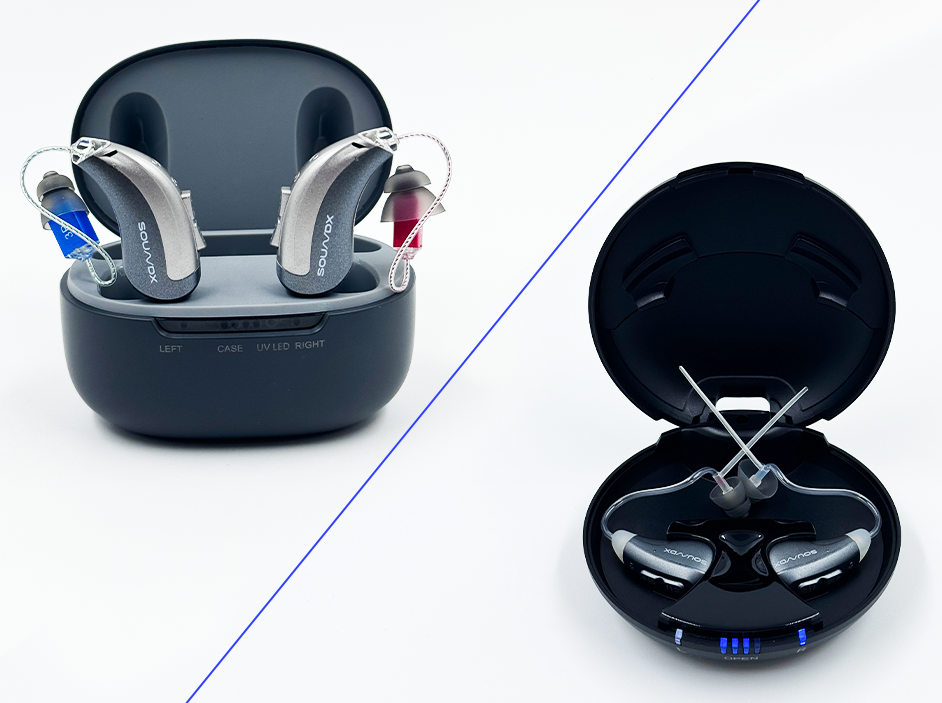
  7. Charging Contact: These contacts allow for easy charging of your hearing aids. Simply place them in the charging case, and they’ll begin charging automatically.
  8. Charging Case: A portable charging case included for convenient recharge-ability of your hearing aids on the go. One full charge will provide up to 18 hours of enhanced hearing.

Charging Case

Your charging case is an essential accessory for storing and charging your hearing aids:

  1. Charging Slots: The charging case features dedicated slots for each hearing aid, ensuring they receive the power they need to function optimally.
  2. Indicator Lights: LED lights on the charging case provide visual feedback on the charging status of your hearing aids and the case itself. This allows you to monitor the charging progress conveniently.
  3. Charging Port: Connect the charging case to a power source using the included USB cable. This ensures that your hearing aids are always ready for use whenever you need them.

Accessories

The product comes with the below listed accessories.

ItemsDescription
Eartip × 10To hold the hearing aid comfortably and securely in the ear canal
USB Cable x 1Used to charge the charging case
Cleaning Tool × 1Used to clean hearing aids and charging case
Manual x 1Used for users to read and understand how to use hearing aids and other objects

Using Your SoundX Hearing Aids: Simple Steps to Get Started

Fitting Eartips

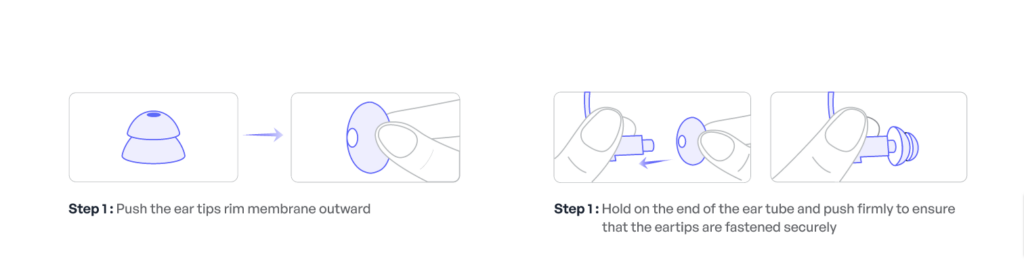
  1. Selecting Eartips: Choose the eartip size that provides the most comfortable and secure fit for your ears. It’s essential to experiment with different sizes to find the perfect fit.
  2. Attaching Eartips: Once you’ve selected the appropriate eartip size, attach it securely to the ear tube. Ensure that the eartip is pushed firmly onto the ear tube to prevent it from coming loose.

Ear Tube Replacement

  1. Removing Ear Tubes: To replace the ear tubes, gently rotate them and pull them out of the hearing aids. Take care not to apply too much force to avoid damaging the devices.
  2. Inserting New Ear Tubes: When inserting new ear tubes, align them with the corresponding slots on the hearing aids and gently push them into place until they’re securely seated.

Power On/Off

  • Turning On: To power on your hearing aids, press and hold Button 1 for approximately three seconds. You’ll hear a notification sound indicating that the devices are now powered on and ready to use.
  • Turning Off: Similarly, to power off your hearing aids, press and hold Button 2 for about three seconds. You’ll hear a notification sound confirming that the devices have been powered off.

Wearing/Removing Hearing Aids

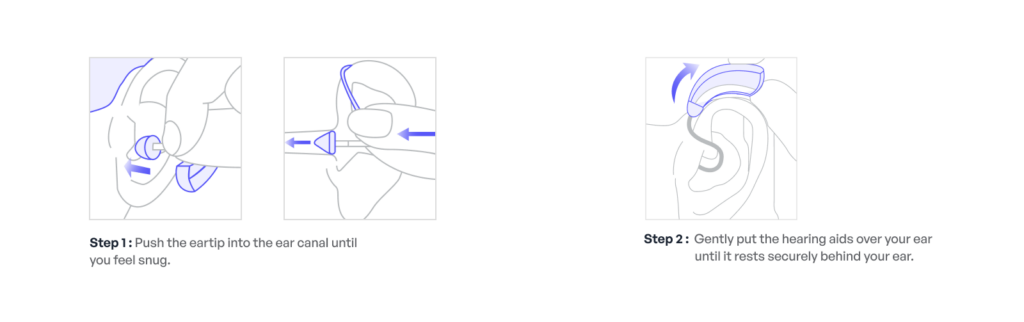
  • Wearing Hearing Aids: Insert the hearing aids gently into your ear canal, ensuring that the eartips are securely seated. Once in place, the devices should feel comfortable and snug.
  • Removing Hearing Aids: To remove the hearing aids, gently pull them out of your ear canal while holding onto the stabilization bar. Take care not to apply excessive force to avoid discomfort.

Volume Control

  • Adjust the volume of your hearing aids using the multi-function buttons. Each press of Button 1 or Button 2 will increase or decrease the volume, respectively.
  • You’ll hear a “Beep” sound each time you adjust the volume, allowing you to gauge the changes in volume levels.

Programs Switching

  • Your hearing aids come with multiple preset programs designed to enhance your listening experience in different environments.
  • If you want to understand your hearing profile better before programming your hearing aids, you can take a hearing test and learn how to read an audiogram.

Specific programs are associated with different prompt tones as mentioned in the table below:

Hearing ProgramPrompt Tone
1Program 1beep
2Program 2beep beep
3Program 3beep beep beep
4Program 4beep beep beep beep

Bluetooth Connectivity

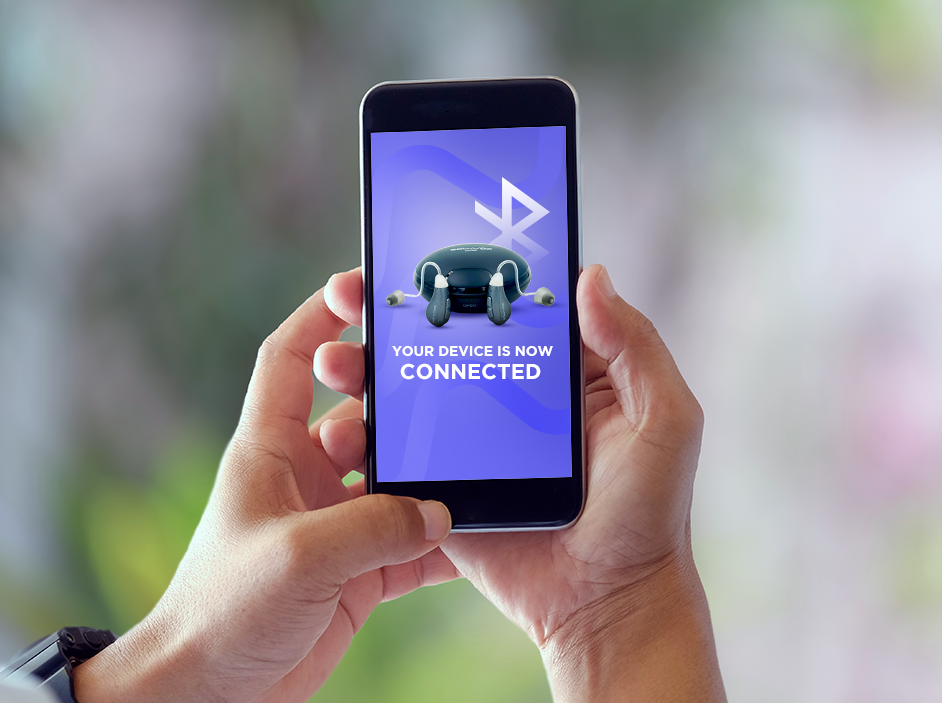
  • Bluetooth technology allows you to connect your hearing aids to compatible devices such as smartphones, tablets, and computers.
  • To initiate a Bluetooth connection, ensure that Bluetooth is enabled on your device and follow the pairing instructions provided in your device’s user manual.

SoundX App

  • The SoundX app provides additional functionality and customization options for your hearing aids. Download the app to your smartphone and follow the on-screen instructions to set up your devices.
  • With the SoundX app, you can:
    • Adjust volume levels
    • Switch between hearing programs to suit your environment
    • Explore our best hearing aids to choose one that fits your lifestyle
    • Learn about hearing loss via blogs and educational videos
    • Contact SoundX expert audiologists
    • Take a hearing test and program your hearing aids according to your hearing loss profile

Charging Your Devices

Charging Hearing Aids

  1. Placing in Charging Case: When it’s time to charge your hearing aids, simply place them in the designated slots within the charging case. Ensure that they’re properly aligned to facilitate charging.
  2. Monitoring Charging Status: LED indicator lights on the charging case will illuminate to indicate that the devices are charging. A blue light indicates that charging is in progress, while a white light indicates that the devices are fully charged.

Charging the Charging Case

  1. Connecting USB Cable: Use the included USB cable to connect the charging port of the case to a power source, such as a computer or wall adapter.
  2. Monitoring Battery Capacity: LED lights on the charging case will provide real-time feedback on the remaining battery capacity, allowing you to plan your charging schedule accordingly.

Device Care Tips

  • Handle your hearing aids with care to avoid drops or impacts that could damage the devices.
  • Refrain from using sharp objects to clean earwax, as this could cause damage to the eartips and ear tubes.
  • Store your hearing aids in a cool, dry place away from moisture and extreme temperatures to prevent damage.
  • Remove your hearing aids before swimming, showering, or engaging in activities that expose them to water.
  • Regularly inspect and clean your devices to remove debris and maintain optimal performance.
  • Replace eartips every few months to ensure a secure and comfortable fit, and consider replacing ear tubes if they show signs of wear or damage.

This comprehensive user manual provides detailed instructions on using and caring for your SoundX hearing aids. If you have any questions or encounter any issues, don’t hesitate to consult this guide for assistance.

FAQ

1. How do I turn my SoundX hearing aids on and off?
To turn them on, press and hold Button 1 for about 3 seconds until you hear a sound. To turn them off, press and hold Button 2 for 3 seconds.

2. How long do my SoundX hearing aids last after a full charge?
When fully charged, your hearing aids can work for up to 18 hours. Always charge them overnight or when the battery gets low.

3. How do I charge my SoundX hearing aids?
Place them in the charging case. The blue light means they’re charging, and the white light means they’re fully charged.

4. Can I connect my SoundX hearing aids to my phone?
Yes! Your hearing aids have Bluetooth. Just turn on Bluetooth on your phone and follow the pairing steps shown on your phone’s screen.

5. What is the SoundX app for?
The SoundX app helps you control your hearing aids easily. You can adjust the volume, switch programs, take hearing tests, and even talk to an audiologist through the app.

6. How do I clean my hearing aids?
Use the cleaning tool that comes in the box. Gently remove dirt or earwax. Don’t use sharp objects or water to clean them.

7. How do I know which eartip size is right for me?
Try a few sizes to see which one feels most comfortable and fits securely. Your SoundX audiologist can also help you choose the right size.

8. What should I do if my hearing aids stop working?
First, check if they are charged and turned on. If they still don’t work, make sure there’s no dirt blocking the eartip. If the problem continues, contact SoundX support for help.

Mr Shivam Singh Audiologist says:

Not all hearing loss needs surgery . In fact most cases can be managed with modern hearing aids. But in some structural or medical cases, surgery can help.

Hearing Aids vs PSAPs: Key Differences You Need to Know

Written by- Dr. S.M. Tarique Najeeb
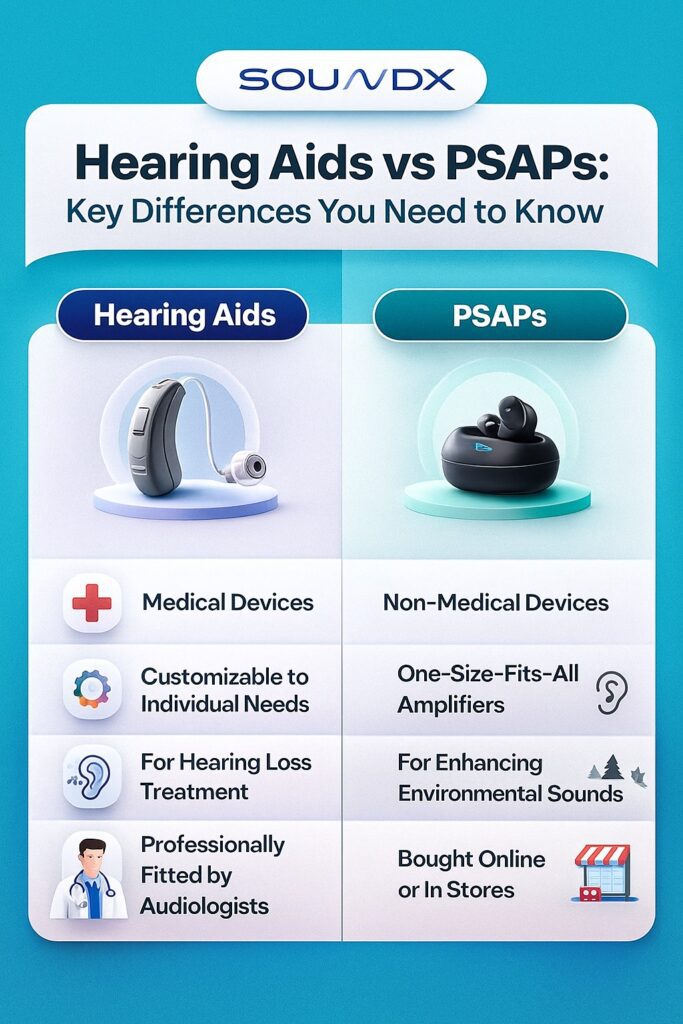
Both PSAPs (personal sound amplifiers) and hearing aids help people hear better, but they are not the same. Many people don’t know the main differences between them.PSAPs can be bought from a store without seeing a doctor, but using them without knowing how they work can sometimes cause problems.

Studies show that hearing aids help people understand speech about 30–40% better than PSAPs, especially in noisy places. The FDA checks hearing aids to make sure they are safe and work properly, which is why doctors usually prescribe them.

Experts say that hearing aids work much better than PSAPs for understanding speech, especially in noisy places. The FDA checks hearing aids to make sure they are safe and effective, which is why doctors usually prescribe them.

Let’s learn the basics of how hearing aids and PSAPs work so it’s easy to understand!

How do Hearing Aids Work?

A hearing aid is a special device that is approved and checked by the FDA. Usually, a doctor or audiologist gives it to someone who has trouble hearing. Since 2020, some hearing aids can also be bought over the counter because the rules changed.

A hearing aid has three main parts that help it work properly:

  1. Microphone: The sound enters the hearing aid through this component, which is then converted into electrical signals and sent to the amplifier.
  2. Amplifier: The amplifier enhances the magnitude of the sound received through the microphone.
  3. Speaker: The amplified sound is received/heard by the user through the speaker. 

Hearing aids are highly customized as per the patient’s needs and are well-fitted to an individual’s ear shape. Some of the hearing aids have advanced features, such as tinnitus control and Bluetooth connectivity. They also enable a person to selectively enhance certain sounds, as well as lessen any background or unwanted noise.

What is a PSAP hearing device?

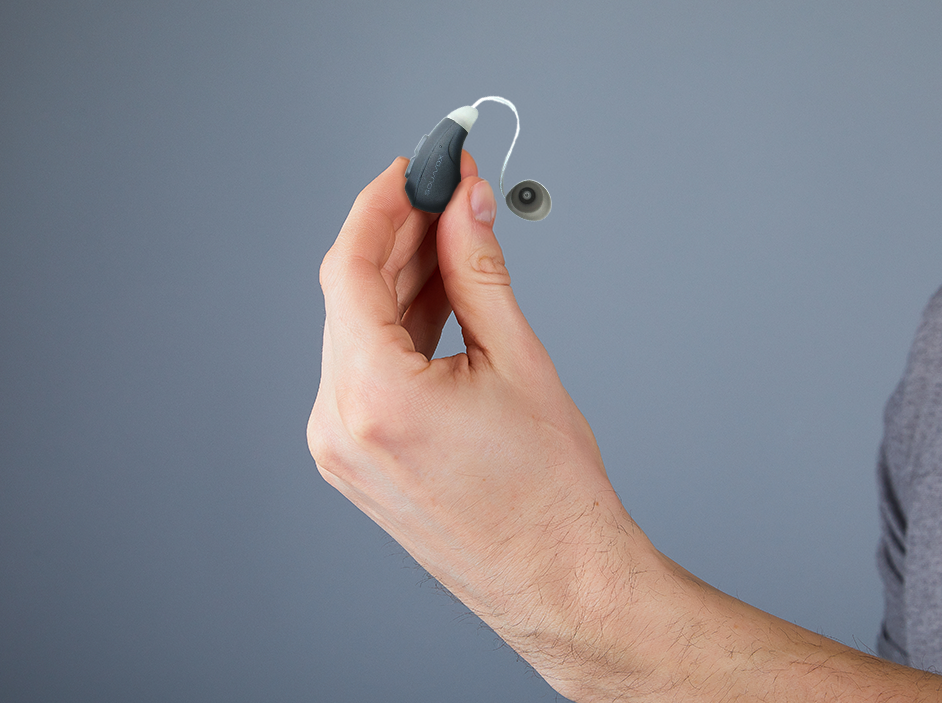
PSAPs (personal sound amplifiers) are also called sound amplifiers or hearing aid amplifiers, but they are not approved by the FDA as medical devices. People usually use PSAPs for fun or recreational purposes, not because they have trouble hearing. PSAPs come in different shapes and designs, and some of them look a lot like hearing aids. Unlike hearing aids, PSAPs don’t focus on specific sounds — they make all sounds around you louder.

Now, let’s look at the main differences between a hearing aid and a PSAP:

FDA Regulation: 

A hearing aid is a special medical device that is approved and controlled by the FDA. You need a doctor’s prescription to get one. 

PSAPs, on the other hand, are not regulated by the FDA. You can buy them from a store without a doctor, and you don’t need any medical supervision to use them.

Cost: 

Hearing aids are expensive, costing between $2,000 and $4,000.  

PSAPs are much cheaper, usually between $50 and $400, which is why many people buy them. But using a PSAP without a doctor’s advice might harm your hearing instead of helping it.

Selective Sound Enhancement: 

PSAPs make all sounds louder, even the ones you don’t want to hear. 

Hearing aids are smarter. They filter out unwanted sounds and make the important sounds, like someone talking to you, louder. For example, in a noisy café, a hearing aid will help you hear your friend, while a PSAP will just make the noise louder and harder to listen.

Design: 

Most PSAPs have just a microphone, amplifier, and speaker. They are one size fits all and not customized. 

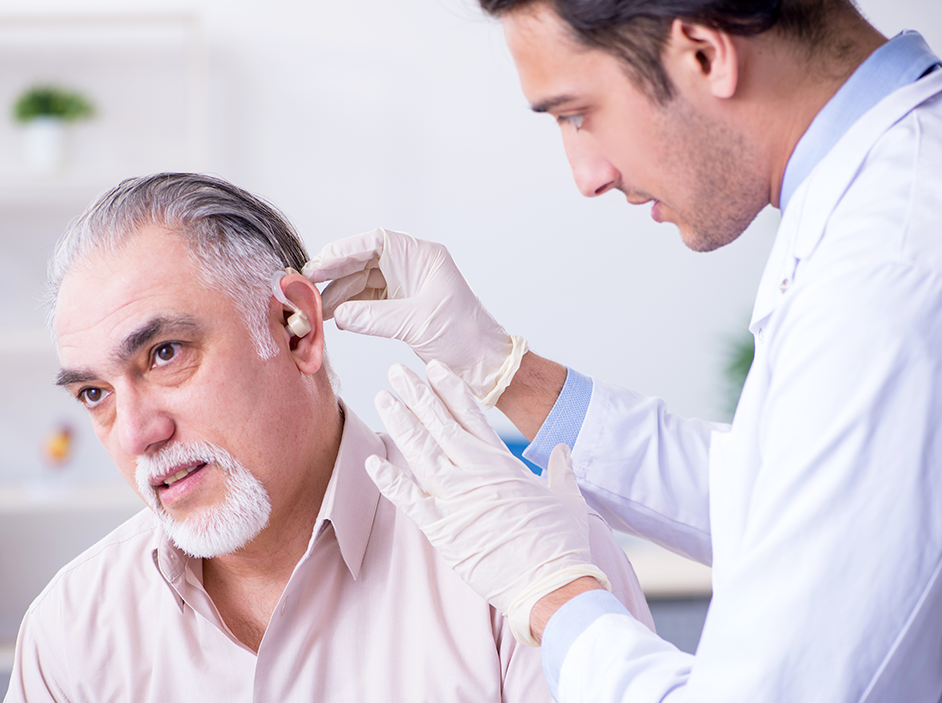
Hearing aids are custom-made by a doctor or audiologist to fit your ear and your hearing needs. They are comfortable, secure, and come with cool features like:

  • Rechargeable batteries
  • Directional microphones
  • Bluetooth connection
  • Tinnitus control

Some modern hearing aids can even be programmed remotely by a doctor, so you don’t have to go to the clinic every time changes are needed.

Why Using PSAPs Can Be Risky for Your Hearing

You might have come across cases wherein people have reported hearing damage after using PSAPs / hearing amplifiers. However, they are not at all dangerous if used after a proper hearing evaluation. Hearing damage usually happens when people try to substitute these devices for hearing aids, which can cause more harm than good. If used without medical supervision, PSAPs can cause temporary or permanent hearing loss in individuals.

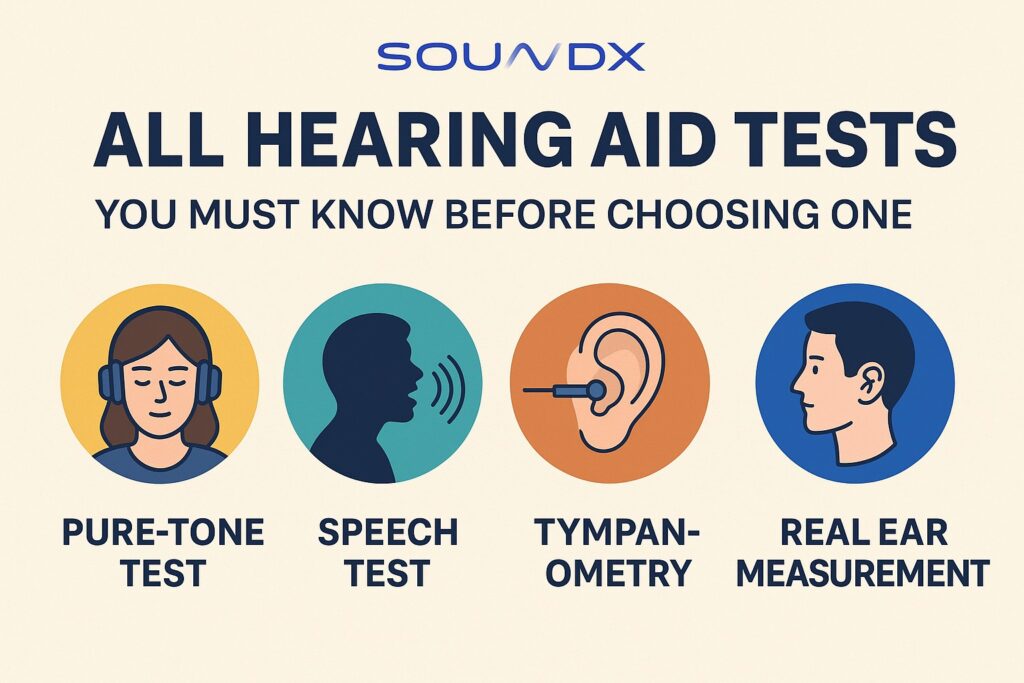
Make sure that if you are facing any kind of hearing difficulties, you are getting it diagnosed immediately by a certified healthcare professional. The hearing loss can be assessed easily using an audiogram. Trying to find a solution through the use of a PSAP, not only keeps you from identifying the underlying cause of the issue but might completely damage your hearing abilities in the long run.

Risk of Using PSAPs

Hearing Aids vs PSAPs Comparison Table

FeatureHearing AidsPSAPs (Personal Sound Amplifiers)
FDA RegulationFDA-approved medical devices; require prescription (though some OTC options available since 2020)Not FDA-regulated; no prescription required
Primary PurposeMedical treatment for diagnosed hearing lossRecreational use for enhancing environmental sounds
Cost Range$2,000 – $4,000$50 – $400
Sound EnhancementSelective sound enhancement; filters unwanted noise and amplifies important sounds (e.g., speech)Amplifies all sounds equally, including background noise
CustomizationCustom-fitted to individual ear shape; programmed for specific hearing needsOne-size-fits-all; not personalized
ComponentsMicrophone, amplifier, speaker + advanced technologyBasic microphone, amplifier, and speaker only
Advanced FeaturesRechargeable batteries Directional microphones Bluetooth connectivity Tinnitus control Remote programming capabilityMinimal to no advanced features
Professional InvolvementFitted and programmed by audiologist or doctorSelf-purchased and used without medical supervision
Design & ComfortProfessionally fitted for comfort and securityGeneric fit; may not be comfortable for all users
Risk LevelSafe when properly prescribed and fittedCan cause temporary or permanent hearing damage if used without proper hearing evaluation
Best Used ForDiagnosed hearing loss requiring medical interventionTemporary sound enhancement in recreational settings (e.g., bird watching, theater)
Diagnosis RequirementRequires audiogram and professional hearing assessmentNo diagnosis or assessment needed (but recommended)

How to Choose between a PSAP and a Hearing Aid

Although the fundamental technologies being used in hearing aids and PSAPs are largely similar, these devices are used in completely different scenarios and serve a special hearing purpose. If you are interested in purchasing a PSAP or a hearing aid, you must choose the device carefully based on your specific requirements. If the primary objective is a recreational activity, such as birdwatching or performing on stage, you would want to look for a suitable good-quality PSAP. In addition, a PSAP must be also bought after undergoing a hearing evaluation. On the other hand, to resolve any hearing-related issues, you need to visit an audiologist or an ENT doctor, who can prescribe you a custom-tailored hearing aid. In addition to being customized as per a patient’s requirements, hearing aids are also equipped with additional features that make them highly user-friendly.

Final Note:
Hearing aids and PSAPs may look similar, but they are very different. Hearing aids are medical devices made to treat hearing loss safely, while PSAPs are just sound boosters for fun or short use. Using a PSAP instead of a hearing aid can sometimes make your hearing worse.If you have trouble hearing, always visit a hearing care professional. SoundX can help you get a proper hearing test and choose the right hearing aid made just for you — safe, comfortable, and clear.

If you’re in or around Noida or Gurgaon and want a professional hearing evaluation before choosing a hearing aid, you can visit SoundX Noida or SoundX Gurgaon. The clinic offers complete hearing tests, personalized device fitting, and guidance on whether a hearing aid or PSAP suits your needs best — all with the help of trained audiologists.

FAQ

1. What is the main difference between a hearing aid and a PSAP?
A hearing aid is a medical device for people with hearing loss and is usually prescribed by a doctor. A PSAP is mostly used for fun or temporary sound amplification and is not regulated by the FDA.

2. Can I buy a hearing aid without a doctor’s prescription?
Some hearing aids are now available over the counter, but most still require a doctor or audiologist to prescribe them. PSAPs, however, can be bought anywhere without a prescription.

3. Why are hearing aids more expensive than PSAPs?
Hearing aids cost between $2,000 and $4,000 because they are custom-made and come with advanced features. PSAPs are cheaper, usually $50 to $400, but they don’t offer medical benefits or customization.

4. Do PSAPs filter out unwanted background noise?
No. PSAPs make all sounds louder, including background noise. Hearing aids can filter out unwanted sounds and amplify only the important sounds, like someone talking.

5. Can PSAPs damage my hearing?
Yes, using a PSAP without a hearing evaluation or medical supervision can cause temporary or permanent hearing loss. Hearing aids are safe when prescribed and fitted by a professional.

6. What are the main parts of a hearing aid?
A hearing aid has three main parts: a microphone (to pick up sound), an amplifier (to make sound louder), and a speaker (to send the sound into your ear).

7. Can hearing aids be customized?
Yes! Hearing aids are custom-fitted to your ear and hearing needs. They can also have advanced features like rechargeable batteries, Bluetooth, tinnitus control, and remote programming.

8. How do I decide between a PSAP and a hearing aid?
If you need help with hearing loss, visit a doctor for a custom hearing aid. If you want temporary or recreational sound amplification, you can consider a PSAP, but it’s best to get a hearing check first.

Dr S.M. Tarique Audiologist says:

Don’t fall for the myths! Stay tuned to learn everything about ear care and protect your hearing health.

Visit Profile- Dr. S.M. Tarique Najeeb