BTE Hearing Aids: A Reliable Solution for Clear and Powerful Hearing

Medical Disclaimer:

This content is for educational purposes only and does not replace professional medical advice. Always consult a qualified audiologist before choosing a hearing aid.

BTE hearing aids offer safe and reliable hearing support when selected after a proper hearing test and fitted by a hearing care professional.

BTE hearing aids, also known as Behind-the-Ear hearing aids, are hearing devices that sit behind the ear and send sound into the ear through a tube or wire. They are powerful, easy to use, and suitable for people with mild to profound hearing loss, making them one of the most reliable hearing aid options.

Are BTE Hearing Aids Safe to Use?

Yes, BTE hearing aids are safe for daily use when chosen based on a hearing test and fitted correctly. Their safety depends on proper ear mold fitting, correct volume settings, and regular follow-ups.

Using BTE hearing aids without professional guidance may lead to discomfort or unclear sound.

What Are BTE Hearing Aids?

BTE hearing aids are hearing devices where the main body rests comfortably behind the ear. Sound travels from the hearing aid into the ear canal through a tube or thin wire connected to an ear mold or ear tip. Because of their size, BTE hearing aids can hold stronger batteries and more powerful technology. They are commonly used by children, adults, and elderly users because of their durability and performance.

How BTE Hearing Aids Work ?

BTE hearing aids pick up sound through microphones placed behind the ear. The sound is digitally processed to make speech clearer and reduce background noise. The improved sound then travels through a tube or wire into the ear canal. This simple but effective design helps users hear clearly in many different environments.

Types of Hearing Loss Suitable for BTE Hearing Aids

BTE hearing aids are suitable for:

  • Mild hearing loss
  • Moderate hearing loss
  • Severe hearing loss
  • Profound hearing loss

Their powerful design makes them one of the most flexible hearing aid options.

Real Hearing Loss Statistics

Worldwide, around 1.5 billion people live with hearing loss, and many of them require powerful hearing aids. Studies show that BTE hearing aids are widely used because they can support a wide range of hearing loss levels. In India, BTE hearing aids are often recommended due to their strength, durability, and ease of maintenance. Early use of hearing aids like BTE models improves communication and overall quality of life.

When BTE Hearing Aids May NOT Be the Best Choice

BTE hearing aids may not be ideal if:

  • The user prefers very discreet or invisible hearing aids
  • Cosmetic appearance is the top priority
  • Extremely lightweight devices are required

In such cases, RIC or CIC hearing aids may be considered.

Who BTE Hearing Aids Are Best For

BTE hearing aids are best for people with mild to profound hearing loss who need strong amplification. They are ideal for children because they can be adjusted as ears grow. Elderly users also prefer BTE hearing aids because they are easy to handle and maintain. BTE hearing aids are a good choice for users who want powerful sound and reliable performance.

Key Benefits of BTE Hearing Aids

BTE hearing aids provide strong and clear sound, even for severe hearing loss. Their larger size allows longer battery life and advanced features like Bluetooth and rechargeable options. They are durable and suitable for daily use in different environments. BTE hearing aids are also easier to clean and handle compared to very small hearing aids.

Limitations of BTE Hearing Aids

Although BTE hearing aids are powerful, they are more visible than smaller hearing aid styles. Some users may feel conscious about their appearance. The tube or ear mold may need periodic replacement. However, these limitations are minor compared to the strong performance they offer.

BTE Hearing Aids for Children, Adults, and Old Age

  • Children: BTE hearing aids are ideal due to adjustable ear molds and durability
  • Adults: Suitable for work, travel, and noisy environments
  • Old Age: Easy handling, strong sound, and rechargeable options improve daily comfort

This makes BTE hearing aids suitable across all age groups.

BTE vs RIC vs CIC vs ITC Hearing Aids Comparison Table

FeatureBTE Hearing AidsRIC Hearing AidsCIC Hearing AidsITC Hearing Aids
PlacementBehind the earBehind ear + receiver in canalDeep inside canalPartly inside canal
VisibilityMost visibleSlightly visibleAlmost invisibleSlightly visible
Hearing Loss LevelMild to ProfoundMild to SevereMild to ModerateMild to Moderate
Sound PowerVery powerfulPowerfulModerateModerate
Battery LifeLongestLongShortMedium
Bluetooth SupportYesYesLimited / NoLimited
Rechargeable OptionYesYesNoNo
MaintenanceEasyMediumHighMedium
Best ForHigh power needsTech usersPrivacy seekersBalanced users

Technology Used in Modern BTE Hearing Aids

Modern BTE hearing aids use advanced digital technology to improve speech understanding and reduce noise. They include features like directional microphones, feedback cancellation, and automatic sound adjustment. Many BTE hearing aids support Bluetooth for phone calls and TV streaming. Rechargeable BTE models provide full-day power with easy charging.

Expert Insight : 

With more than 20 years of hearing care experience, BTE hearing aids are often recommended for their reliability and strength. They are especially useful for users with severe hearing loss who need consistent amplification. Many users find BTE hearing aids easier to manage and maintain over time. Their durability makes them a long-term hearing solution.

How BTE Hearing Aids Are Fitted and Adjusted?

The fitting process starts with a hearing test to measure hearing loss level. An ear mold or ear tip is selected to ensure comfort and proper sound delivery. The hearing aid is programmed based on the hearing test results. Follow-up visits help fine-tune the settings for daily comfort and clarity.

Adjustment Period: What Is Normal and What Is Not

Normal during the first days:

  • Slight loudness
  • Awareness of background sounds

Not normal:

  • Ear pain
  • Sharp or distorted sound

These issues are usually corrected through fine-tuning.

BTE Hearing Aids Price Range in India

BTE hearing aids in India usually start from around ₹30,000 for basic models. Mid-range BTE hearing aids cost between ₹50,000 and ₹1,00,000. Advanced BTE hearing aids with Bluetooth and rechargeable features can cost up to ₹2,50,000. Prices depend on technology level and service support.

Care and Maintenance of BTE Hearing Aids

BTE hearing aids are easy to maintain due to their size. Users should clean the ear mold or tube regularly to prevent earwax buildup. Batteries should be replaced or charged on time. Regular professional servicing helps maintain sound quality and device life.

Facts and Myths About BTE Hearing Aids

Myth 1: BTE hearing aids are outdated

Some people think BTE hearing aids are old-fashioned. In reality, modern BTE hearing aids use advanced digital technology and smart features.

Fact 1: BTE hearing aids are among the most advanced options

They support Bluetooth, rechargeable batteries, and powerful sound processing.

Myth 2: BTE hearing aids are uncomfortable

Many believe BTE hearing aids are bulky and uncomfortable. With proper fitting, they are comfortable for long daily use.

Fact 2: BTE hearing aids offer long-term comfort

Modern designs are lightweight and well-balanced behind the ear.

Myth 3: BTE hearing aids are only for elderly people

Hearing loss affects all age groups. Children, adults, and seniors use BTE hearing aids.

Fact 3: BTE hearing aids suit all age groups

They are especially popular for children and users with severe hearing loss.

BTE Hearing Aids and Lifestyle Compatibility

BTE hearing aids work well for home use, office work, social gatherings, and outdoor activities. Their strong power makes them suitable for noisy environments. Bluetooth features help with phone calls and media streaming. Active users may need sweat-resistant models for better durability.

Common Mistakes When Choosing BTE Hearing Aids

Choosing a BTE hearing aid without a hearing test is a common mistake. Some users select the wrong ear mold size, causing discomfort. Ignoring follow-up visits can also reduce performance. Professional guidance helps avoid these issues.

If you are looking for professional hearing tests and BTE hearing aid fitting in Delhi or nearby area, you can consult SoundX Hearing Aids in Delhi Or Gurgaon.

Final Thoughts on Choosing BTE Hearing Aids

BTE hearing aids are a dependable and powerful hearing solution for people with different hearing needs. They offer strong sound, advanced features, and easy handling. 

For proper testing, fitting, and long-term support, SoundX provides complete hearing care solutions to help users hear confidently and comfortably.

Frequently Asked Questions

  1. Are BTE hearing aids visible

Yes, BTE hearing aids are visible because the main unit sits behind the ear. However, modern BTE designs are slim and well-shaped, making them less noticeable. Most people quickly get used to their appearance during daily use.

  1. Are BTE hearing aids suitable for severe hearing loss

BTE hearing aids are one of the best options for people with severe to profound hearing loss. Their larger size allows stronger amplification and clearer sound. Audiologists often recommend BTE models for high hearing power needs.

  1. Do BTE hearing aids support Bluetooth

Most modern BTE hearing aids come with Bluetooth connectivity. This allows users to stream phone calls, music, and TV audio directly to their hearing aids. Bluetooth features improve listening comfort and convenience.

  1. Are BTE hearing aids comfortable for all-day use

When properly fitted, BTE hearing aids are comfortable for long daily wear. Their weight is balanced behind the ear, reducing pressure inside the ear canal. Regular adjustments help maintain comfort throughout the day.

  1. How long do BTE hearing aid batteries last

Disposable batteries in BTE hearing aids can last between 10 to 14 days depending on usage. Rechargeable BTE models usually provide a full day of use on one charge. Battery life may vary based on features and listening habits.

  1. Are BTE hearing aids easy to maintain

BTE hearing aids are considered easy to maintain because of their size and design. Cleaning the ear mold or tube regularly helps prevent earwax buildup. Basic care keeps the device working smoothly for a long time.

  1. Can children use BTE hearing aids

Yes, BTE hearing aids are commonly recommended for children. They can be adjusted or re-fitted as the child’s ears grow. Their durability and power make them suitable for young users.

  1. Where can I get BTE hearing aids in India

BTE hearing aids should always be purchased from professional hearing care centers. Providers like SoundX offer proper hearing tests, genuine devices, and expert fitting. This ensures safety, comfort, and reliable performance.
Choosing the Right Hearing Aid: A Simple Guide for Everyone

Choosing the right hearing aid helps improve hearing safely and comfortably, but proper hearing testing and professional fitting are essential for best results.

The right hearing aid is the one that matches your hearing level, feels comfortable, and supports your daily lifestyle. You should choose it based on your hearing test, features you need, and the support offered by the provider.

Are Hearing Aids Safe for Everyone?

Hearing aids are safe for children, adults, and seniors when selected based on a hearing test and fitted correctly. Safety depends on proper device selection, correct volume settings, and regular follow-ups.

Using hearing aids without professional guidance may cause discomfort or poor sound clarity.

Real Stats

According to global hearing studies:

  • 1 in 8 people has some level of hearing loss.
  • Hearing aids improve communication by up to 60% when fitted correctly.
  • 75% of users prefer noise-reduction hearing aids for clearer speech in noisy places.

What Is a Hearing Aid and Why It Matters?

A hearing aid is a small device that helps people hear sounds more clearly. It improves speech, reduces background noise, and makes daily life easier — from talking to family to attending school or office.

Types of Hearing Loss and Suitable Hearing Aids

  • Mild Hearing Loss: Small or invisible hearing aids work well
  • Moderate Hearing Loss: RIC, ITE, or Bluetooth hearing aids
  • Severe Hearing Loss: Powerful BTE hearing aids are recommended

The correct hearing aid depends on your hearing test results, not appearance alone.

When You Should NOT Choose a Hearing Aid Without Guidance

Avoid choosing a hearing aid on your own if:

  • You have sudden hearing loss
  • You experience ear pain or discharge
  • You feel dizziness or ringing in ears
  • You are buying a hearing aid for a child

A professional hearing evaluation is necessary in these cases.

How to Choose the Right Hearing Aid

1. Understand Your Hearing Level

A hearing test tells you whether you have mild, moderate, or severe hearing loss. This report helps choose the exact hearing aid your ear needs — not too strong, not too weak.

2. Choose a Comfortable Style

Different people prefer different hearing aid styles based on comfort and looks.

Common Types:

  • BTE (Behind-the-Ear) – Good for all ages, especially children.
  • RIC (Receiver-in-Canal) – Lightweight with natural sound.
  • ITE (In-the-Ear) – Small and more hidden.

Choose the one you feel comfortable wearing for long hours.

3. Look for Helpful Features

Today’s hearing aids are smart and advanced.
Important features include:

  • Noise Reduction
  • Rechargeable Batteries
  • Bluetooth Connectivity
  • Water and Dust Resistance
  • Directional Microphones

4. Check Your Lifestyle Needs

If you stay outdoors a lot or work in noisy places, you need stronger noise control.
If you use a phone or TV often, choose Bluetooth.

Choosing the Right Hearing Aid by Age Group

  • Children: Durable BTE hearing aids with safety locks
  • Adults: RIC or Bluetooth hearing aids for work and daily use
  • Old Age: Rechargeable hearing aids for easier handling

Age-specific needs play an important role in comfort and long-term use.

Expertise: Why Professional Guidance Matters

Experts ensure that:

  • Your ears are checked properly
  • The hearing aid is set to your exact hearing level
  • You get follow-up adjustments
  • You use the device correctly

Professionals also check your comfort, sound clarity, and long-term progress.

Comparison Table: Different Types of Hearing Aids

Hearing Aid TypeLooksBest ForProsCons
BTEBigger, behind earKids & adultsDurable, powerfulVisible
RICSlim, lightAdultsNatural soundMore delicate
ITESmall, in earAdultsLess visibleNot for severe loss

Truth vs Myth About Hearing Aids

Myth 1: Hearing aids make everything too loud.

Truth: Modern devices adjust sound automatically and do NOT make noise uncomfortable.

Myth 2: Hearing aids are only for old people.

Truth: Children, teens, and adults of all ages use them for better hearing.

Myth 3: Hearing aids fix hearing completely.

Truth: They improve hearing, but they don’t cure hearing loss.

Myth 4: All hearing aids work the same.

Truth: Each device is different; your hearing test decides the right one.

Bottom Line

Choosing the right hearing aid becomes easy when you know your hearing level, comfort, lifestyle needs, and the features that matter most. Always get help from a trusted provider like SoundX, who offers hearing tests, digital hearing aids, and expert guidance for the perfect fit.

FAQs :

1. How do I know which hearing aid is right for me?

Start with a hearing test. The audiologist checks your hearing level and suggests a device based on your ear condition, comfort, and daily routine.

2. Are hearing aids painful to wear?

No. Hearing aids are designed to fit comfortably. If they feel uncomfortable, the expert adjusts the fit or changes the earpiece.

3. Do hearing aids help in noisy places?

Yes. Most modern hearing aids have noise reduction that helps focus on voices and reduce background noise.

4. How long does it take to get used to hearing aids?

It usually takes a few days to a few weeks. Your brain needs time to adjust to new sounds, but regular wear makes it easier.

5. Are rechargeable hearing aids better?

Rechargeable hearing aids are convenient, safe, and save money over time. You don’t need to change batteries again and again.

6. Can children use hearing aids?

Yes! Children often benefit the most from early hearing support. BTE hearing aids are commonly used for kids.

7. How long do hearing aids last?

Most hearing aids last 5–7 years, depending on care, usage, and technology.

8. Why choose SoundX for hearing aids?

SoundX offers accurate hearing tests, latest digital devices, expert fitting, and strong after-support, helping you get the best hearing experience.

Invisible Hearing Aids: Are They Right for You?

Invisible hearing aids offer safe and discreet hearing support for suitable users, but proper fitting and hearing evaluation are essential for comfort and performance.

Invisible hearing aids are tiny hearing devices that sit deep inside your ear, making them almost impossible for anyone to see. They help you hear clearly while staying completely hidden, which is why many people prefer them for comfort and confidence.

Are Invisible Hearing Aids Safe to Use?

Yes, invisible hearing aids are safe when professionally fitted and used for the correct level of hearing loss. Safety depends on ear canal size, hearing loss severity, and regular cleaning.

Using invisible hearing aids without proper fitting may cause discomfort or poor sound quality.

Real Stats (Easy to Understand)

  • Nearly 40% of hearing aid users prefer invisible models because of the “no one can see them” benefit.
  • 1 in 5 people feel embarrassed wearing visible hearing aids, which makes invisible models more popular (Source: Hearing Journal).
  • Invisible hearing aids work best for people with mild to moderate hearing loss, covering almost 60% of all cases worldwide.

What Are Invisible Hearing Aids?

Invisible hearing aids are very small devices that fit inside your ear canal. They are custom-made to match your ear shape, so they fit comfortably. Most people cannot see them at all when you wear them.

Types of Hearing Loss Suitable for Invisible Hearing Aids

Invisible hearing aids work best for:

  • Mild hearing loss
  • Moderate hearing loss

They are not recommended for severe or profound hearing loss because of limited power.

Types of Invisible Hearing Aids

1. IIC (Invisible-in-Canal) Hearing Aids

These are the smallest hearing aids available. They go very deep inside your ear canal.

Features

  • Almost 100% invisible
  • Natural sound quality
  • Good for mild–moderate hearing loss

2. CIC (Completely-in-Canal) Hearing Aids

These are slightly bigger than IIC but still very small and hidden.

Features

  • Nearly invisible
  • Easy to insert and remove
  • Better for people who want more features

Who Should NOT Choose Invisible Hearing Aids

Invisible hearing aids may not be suitable for:

  • People with severe hearing loss
  • Very narrow or curved ear canals
  • Frequent ear infections or wax buildup
  • Users who want Bluetooth or streaming features

Who Should Use Invisible Hearing Aids?

  • People with mild to moderate hearing loss
  • People who want a natural-looking option
  • Children and adults who feel shy wearing visible devices
  • People with narrow or small ear canals (for custom fit)

Benefits of Invisible Hearing Aids

  • No one can notice them
  • Clear and natural hearing
  • Comfortable in daily activities
  • No wires or behind-the-ear parts
  • Great for teens or working professionals

Limitations to Know

  • Not suitable for severe hearing loss
  • Battery life may be shorter
  • Small size means fewer features than big models
  • Needs proper cleaning since it sits deeper in the ear

Invisible Hearing Aids for Children and Seniors

  • Children: Invisible hearing aids are usually not recommended due to ear growth and safety concerns.
  • Seniors: They are suitable only if handling small devices is comfortable and vision is good.

A professional hearing test helps decide the right option.

Invisible Hearing Aids: IIC vs CIC Comparison

FeatureIIC (Invisible-in-Canal)CIC (Completely-in-Canal)
VisibilityAlmost 100% invisibleNearly invisible
SizeSmallest availableSlightly larger than IIC
PlacementVery deep in ear canalInside ear canal
Hearing Loss SuitabilityMild to moderateMild to moderate
Sound QualityNatural, less wind noiseNatural, clear
Ease of HandlingCan be tricky to insert/removeEasier to handle
Battery LifeShorter (smaller battery)Slightly longer
Features AvailableBasic features onlyMore features possible
Custom FittingRequiredRequired
Best ForMaximum invisibility seekersBalance of invisibility & features
Price RangeHigher costModerate to high cost
MaintenanceRequires careful cleaningEasier to clean

Invisible vs Visible Hearing Aids Comparison

AspectInvisible Hearing AidsTraditional Visible Hearing Aids
AppearanceHidden inside ear canalVisible behind or in ear
Hearing Loss RangeMild to moderate onlyMild to severe/profound
Battery TypeTiny disposable (Size 10)Larger disposable or rechargeable
Battery Life3-5 days5-14 days or rechargeable
FeaturesLimited (no Bluetooth in most)Full features (streaming, apps)
PriceHigherVaries (budget to premium)
ComfortVery comfortable once fittedMay feel bulky initially
Ear Canal SizeNeeds adequate canal sizeWorks for all ear sizes
Daily RemovalRecommendedSome can wear overnight
Ideal UserTeens, professionals, active usersAnyone needing hearing support

Quick Decision Guide

Your PriorityRecommended Type
Complete invisibilityIIC
Easy handling + invisibleCIC
Severe hearing lossTraditional BTE/RIC
Bluetooth & streamingVisible rechargeable models
Long battery lifeTraditional hearing aids
Natural sound qualityIIC or CIC

Important Note: Invisible hearing aids require professional fitting and may not suit everyone. Consult an audiologist to check if your ear canal size and hearing loss level are appropriate for invisible models.

Bottom Line

Invisible hearing aids are a great choice if you want powerful hearing support without anyone noticing your device. They are comfortable, tiny, and perfect for everyday use. If you want to try invisible hearing aids in Lucknow, SoundX is one of the best places to get proper testing, fitting, and expert guidance.

FAQs : 

1. Are invisible hearing aids truly invisible?

Yes, invisible hearing aids sit deep inside your ear canal, so people usually cannot see them. Even from the side, they remain hidden. Only an audiologist can notice them inside your ear.

2. Do invisible hearing aids work for children?

Yes, but only if the child has mild or moderate hearing loss. They must be made carefully to fit the ear. For young kids, larger models are easier to handle and safer.

3. Do invisible hearing aids hurt inside the ear?

No, they are custom-made for your ear shape, so they feel comfortable. At first, you may feel a little strange, but within a few days, they feel normal.

4. How long do the batteries last?

Because invisible hearing aids are small, their batteries are also small. Most batteries last 3–6 days. Rechargeable invisible options are also available now.

5. Can invisible hearing aids connect to Bluetooth?

Some models can, but many cannot because of their tiny size. If Bluetooth is important for you, you may need a slightly larger CIC model.

6. Are invisible hearing aids good for severe hearing loss?

No, they are not powerful enough for severe or profound hearing loss. Larger behind-the-ear devices are better for strong amplification.

7. How much do invisible hearing aids cost?

The price depends on brand, features, and technology. Invisible hearing aids are usually more expensive because they are custom-made. Your audiologist can tell you the exact price after testing.

8. How do I clean invisible hearing aids?

You need a small brush and a dry cloth. Clean the tip gently every day. Never use water or liquids. Regular cleaning helps the device last longer and work better

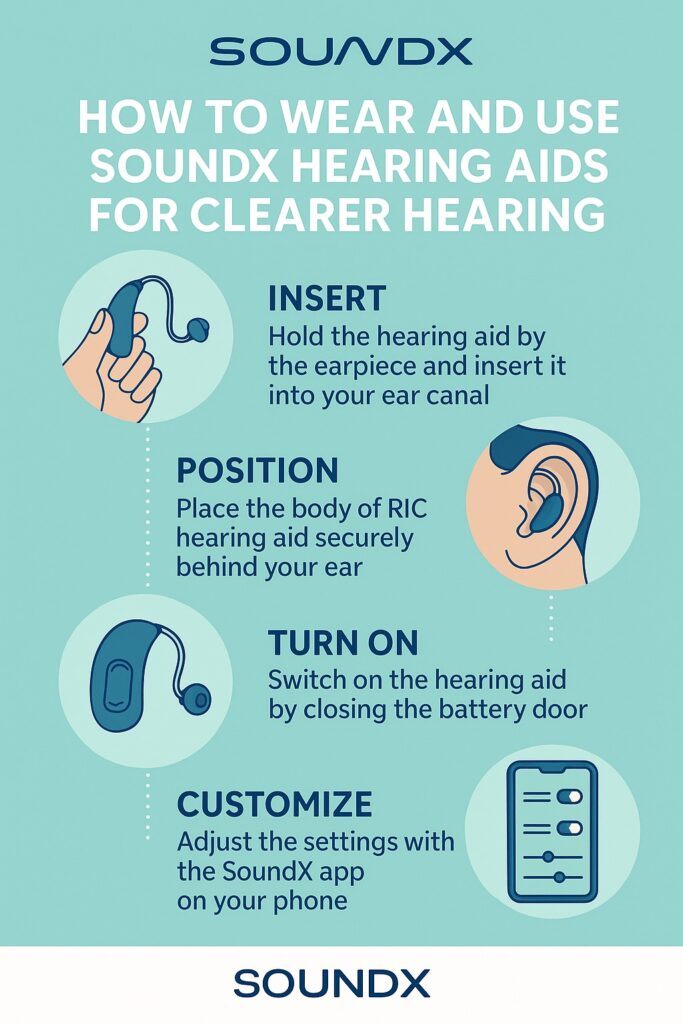
How to Wear and Use SoundX Hearing Aids for Clearer Hearing

Written by- Mr Shivam Singh

This guide will help you learn how to set up, use, and take care of your SoundX hearing aids. It will show you easy steps so you can hear better and keep your hearing aids working well every day.

“SoundX proudly participates in ISHACON 2025, Patna, Bihar — one of India’s largest and most respected audiology conferences!”

What Are the Main Parts of SoundX Hearing Aids and How They Work?

  1. Microphone: The microphone on your hearing aids captures sound from your environment, allowing you to hear conversations, music, and other sounds with clarity.
  2. Multi-function Button 1: This button serves multiple purposes. You can adjust the volume of your hearing aids using Button 1. Additionally, pressing and holding Button 1 for a few seconds turns the hearing aids on or off.
  3. Multi-function Button 2: Button 2 also offers versatility. It allows you to decrease the volume of your hearing aids and switch between different hearing programs. Press and hold Button 2 to activate these functions.
  4. Ear Tube: The ear tube is a crucial component that connects the eartip to the main body of the hearing aid. It ensures a secure and comfortable fit within your ear canal.
  5. Stabilization Bar: To prevent the eartip from moving out of place, the stabilization bar provides stability and comfort throughout the day.
  6. Eartip: Made of soft silicone, the eartip holds the hearing aid securely in your ear canal. It’s essential for comfort and proper functionality. It is available in multiple sizes and can be replaced depending on the size of your ear canal. It is also available in perforated and closed styles, which can be used as per the recommendation of your SoundX audiologist.
  7. Charging Contact: These contacts allow for easy charging of your hearing aids. Simply place them in the charging case, and they’ll begin charging automatically.
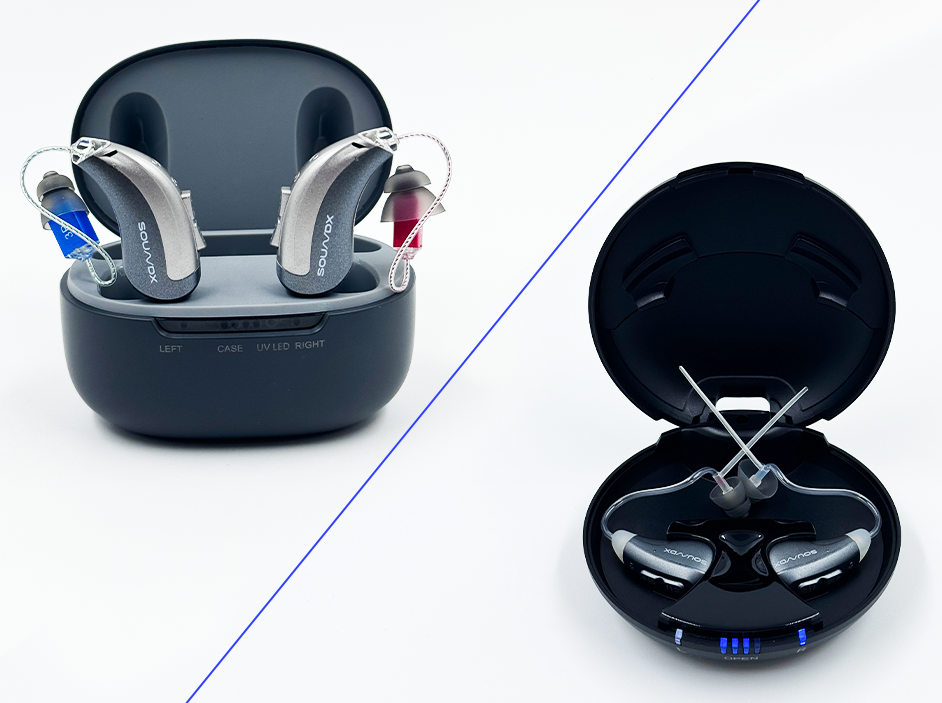
  8. Charging Case: A portable charging case included for convenient recharge-ability of your hearing aids on the go. One full charge will provide up to 18 hours of enhanced hearing.

Charging Case

Your charging case is an essential accessory for storing and charging your hearing aids:

  1. Charging Slots: The charging case features dedicated slots for each hearing aid, ensuring they receive the power they need to function optimally.
  2. Indicator Lights: LED lights on the charging case provide visual feedback on the charging status of your hearing aids and the case itself. This allows you to monitor the charging progress conveniently.
  3. Charging Port: Connect the charging case to a power source using the included USB cable. This ensures that your hearing aids are always ready for use whenever you need them.

Accessories

The product comes with the below listed accessories.

ItemsDescription
Eartip × 10To hold the hearing aid comfortably and securely in the ear canal
USB Cable x 1Used to charge the charging case
Cleaning Tool × 1Used to clean hearing aids and charging case
Manual x 1Used for users to read and understand how to use hearing aids and other objects

Using Your SoundX Hearing Aids: Simple Steps to Get Started

Fitting Eartips

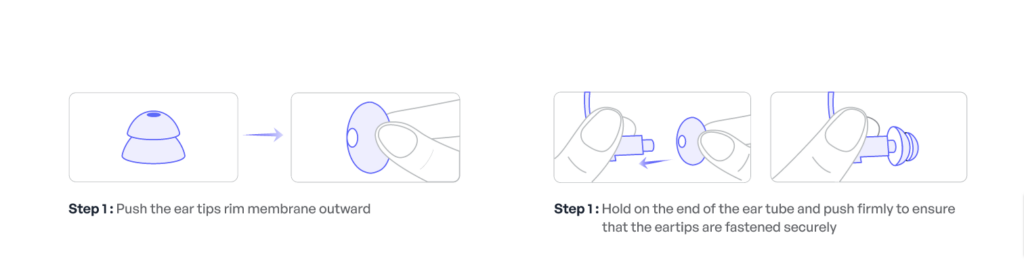
  1. Selecting Eartips: Choose the eartip size that provides the most comfortable and secure fit for your ears. It’s essential to experiment with different sizes to find the perfect fit.
  2. Attaching Eartips: Once you’ve selected the appropriate eartip size, attach it securely to the ear tube. Ensure that the eartip is pushed firmly onto the ear tube to prevent it from coming loose.

Ear Tube Replacement

  1. Removing Ear Tubes: To replace the ear tubes, gently rotate them and pull them out of the hearing aids. Take care not to apply too much force to avoid damaging the devices.
  2. Inserting New Ear Tubes: When inserting new ear tubes, align them with the corresponding slots on the hearing aids and gently push them into place until they’re securely seated.

Power On/Off

  • Turning On: To power on your hearing aids, press and hold Button 1 for approximately three seconds. You’ll hear a notification sound indicating that the devices are now powered on and ready to use.
  • Turning Off: Similarly, to power off your hearing aids, press and hold Button 2 for about three seconds. You’ll hear a notification sound confirming that the devices have been powered off.

Wearing/Removing Hearing Aids

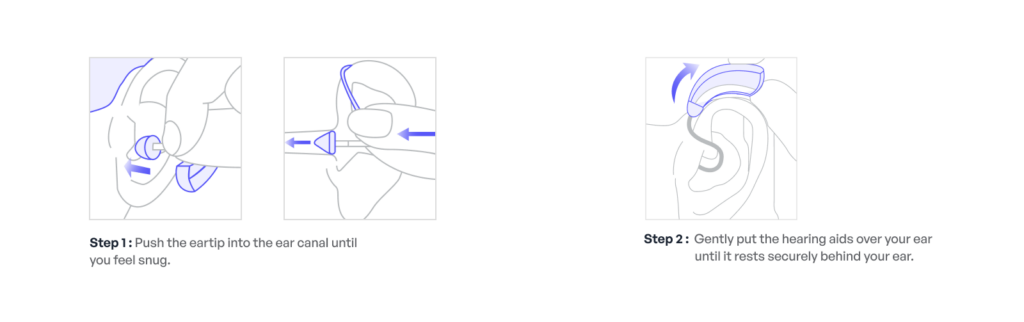
  • Wearing Hearing Aids: Insert the hearing aids gently into your ear canal, ensuring that the eartips are securely seated. Once in place, the devices should feel comfortable and snug.
  • Removing Hearing Aids: To remove the hearing aids, gently pull them out of your ear canal while holding onto the stabilization bar. Take care not to apply excessive force to avoid discomfort.

Volume Control

  • Adjust the volume of your hearing aids using the multi-function buttons. Each press of Button 1 or Button 2 will increase or decrease the volume, respectively.
  • You’ll hear a “Beep” sound each time you adjust the volume, allowing you to gauge the changes in volume levels.

Programs Switching

  • Your hearing aids come with multiple preset programs designed to enhance your listening experience in different environments.
  • If you want to understand your hearing profile better before programming your hearing aids, you can take a hearing test and learn how to read an audiogram.

Specific programs are associated with different prompt tones as mentioned in the table below:

Hearing ProgramPrompt Tone
1Program 1beep
2Program 2beep beep
3Program 3beep beep beep
4Program 4beep beep beep beep

Bluetooth Connectivity

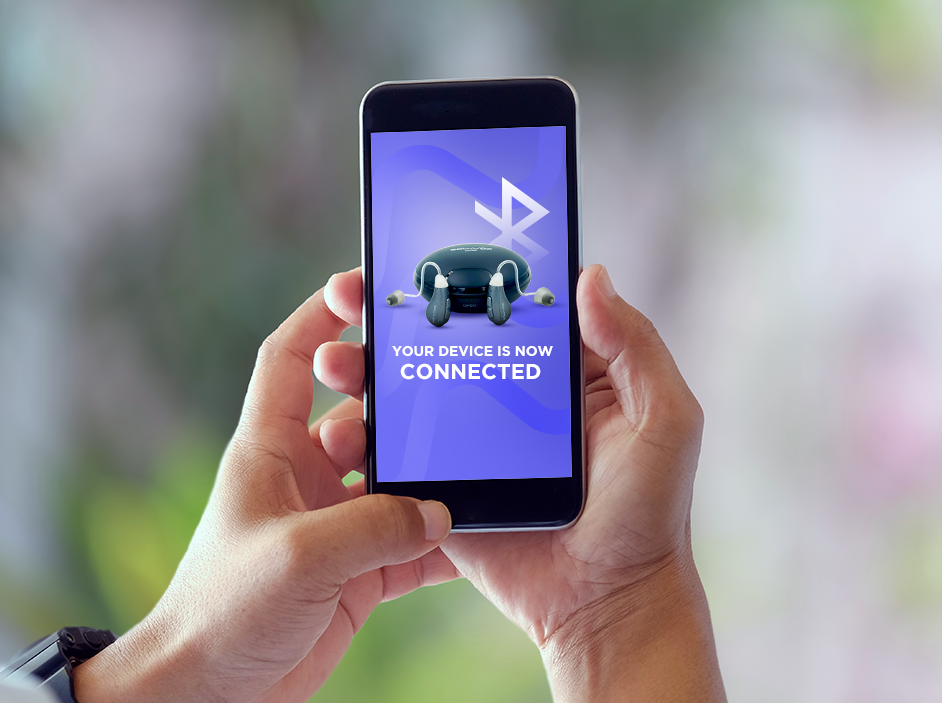
  • Bluetooth technology allows you to connect your hearing aids to compatible devices such as smartphones, tablets, and computers.
  • To initiate a Bluetooth connection, ensure that Bluetooth is enabled on your device and follow the pairing instructions provided in your device’s user manual.

SoundX App

  • The SoundX app provides additional functionality and customization options for your hearing aids. Download the app to your smartphone and follow the on-screen instructions to set up your devices.
  • With the SoundX app, you can:
    • Adjust volume levels
    • Switch between hearing programs to suit your environment
    • Explore our best hearing aids to choose one that fits your lifestyle
    • Learn about hearing loss via blogs and educational videos
    • Contact SoundX expert audiologists
    • Take a hearing test and program your hearing aids according to your hearing loss profile

Charging Your Devices

Charging Hearing Aids

  1. Placing in Charging Case: When it’s time to charge your hearing aids, simply place them in the designated slots within the charging case. Ensure that they’re properly aligned to facilitate charging.
  2. Monitoring Charging Status: LED indicator lights on the charging case will illuminate to indicate that the devices are charging. A blue light indicates that charging is in progress, while a white light indicates that the devices are fully charged.

Charging the Charging Case

  1. Connecting USB Cable: Use the included USB cable to connect the charging port of the case to a power source, such as a computer or wall adapter.
  2. Monitoring Battery Capacity: LED lights on the charging case will provide real-time feedback on the remaining battery capacity, allowing you to plan your charging schedule accordingly.

Device Care Tips

  • Handle your hearing aids with care to avoid drops or impacts that could damage the devices.
  • Refrain from using sharp objects to clean earwax, as this could cause damage to the eartips and ear tubes.
  • Store your hearing aids in a cool, dry place away from moisture and extreme temperatures to prevent damage.
  • Remove your hearing aids before swimming, showering, or engaging in activities that expose them to water.
  • Regularly inspect and clean your devices to remove debris and maintain optimal performance.
  • Replace eartips every few months to ensure a secure and comfortable fit, and consider replacing ear tubes if they show signs of wear or damage.

This comprehensive user manual provides detailed instructions on using and caring for your SoundX hearing aids. If you have any questions or encounter any issues, don’t hesitate to consult this guide for assistance.

FAQ

1. How do I turn my SoundX hearing aids on and off?
To turn them on, press and hold Button 1 for about 3 seconds until you hear a sound. To turn them off, press and hold Button 2 for 3 seconds.

2. How long do my SoundX hearing aids last after a full charge?
When fully charged, your hearing aids can work for up to 18 hours. Always charge them overnight or when the battery gets low.

3. How do I charge my SoundX hearing aids?
Place them in the charging case. The blue light means they’re charging, and the white light means they’re fully charged.

4. Can I connect my SoundX hearing aids to my phone?
Yes! Your hearing aids have Bluetooth. Just turn on Bluetooth on your phone and follow the pairing steps shown on your phone’s screen.

5. What is the SoundX app for?
The SoundX app helps you control your hearing aids easily. You can adjust the volume, switch programs, take hearing tests, and even talk to an audiologist through the app.

6. How do I clean my hearing aids?
Use the cleaning tool that comes in the box. Gently remove dirt or earwax. Don’t use sharp objects or water to clean them.

7. How do I know which eartip size is right for me?
Try a few sizes to see which one feels most comfortable and fits securely. Your SoundX audiologist can also help you choose the right size.

8. What should I do if my hearing aids stop working?
First, check if they are charged and turned on. If they still don’t work, make sure there’s no dirt blocking the eartip. If the problem continues, contact SoundX support for help.

Mr Shivam Singh Audiologist says:

Not all hearing loss needs surgery . In fact most cases can be managed with modern hearing aids. But in some structural or medical cases, surgery can help.