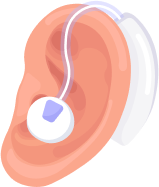
5 Mistakes to Avoid When Buying Hearing Aids (Complete Guide)
- 7 May 2026 3 min read

Expertise & Written By
“Dr. S M Tarique Najeeb
Specialization in Management of Hearing and Speech Disorders (Audiologist)
Written By:
Content Team (Reviewed and guided by audiology expertise)”
Buying a hearing aid is not just about choosing a device—it’s about choosing the right solution for your hearing needs. The biggest mistakes people make include skipping a hearing test, choosing based on price, ignoring fitting, and buying without expert guidance. Avoiding these mistakes can help you get better results and long-term comfort.
What Are Hearing Aids?
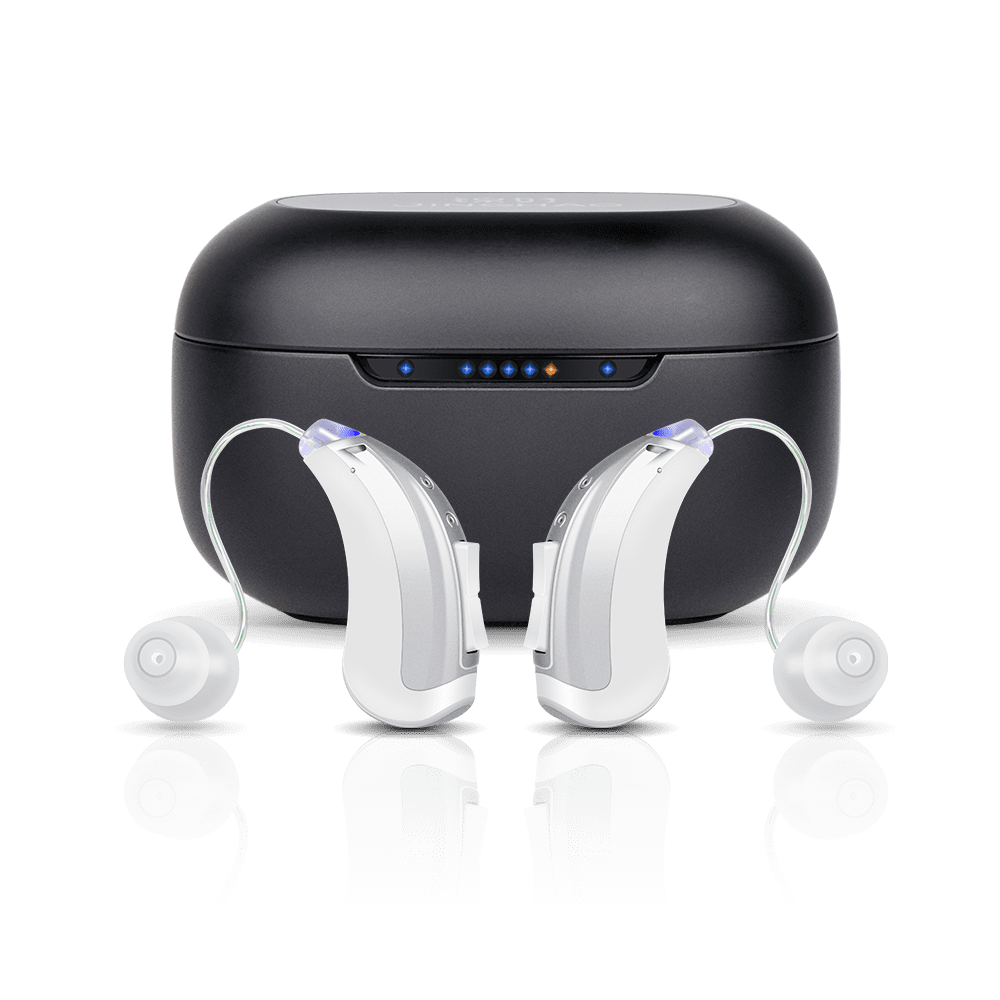
Hearing aids are small digital devices designed to improve hearing by making sounds clearer and easier to understand. Modern hearing aids can adjust automatically, reduce background noise, and improve speech clarity.
They are not one-size-fits-all devices, which is why proper selection and fitting are important.
Why Choosing the Right Hearing Aid Matters
Choosing the wrong hearing aid can lead to frustration and poor results.
- You may not hear clearly
- The device may feel uncomfortable
- You may stop using it
- Money may be wasted
Choosing the right device ensures better hearing, confidence, and daily communication.
Real Stats You Should Know
- Around 70% of people choose the wrong hearing aid without proper guidance
- Many users stop using hearing aids due to poor fitting
- Properly fitted hearing aids improve hearing by up to 90%
- Early and correct use improves overall quality of life
These stats show why making the right decision is important.
5 Mistakes to Avoid When Buying Hearing Aids
1. Skipping the Hearing Test
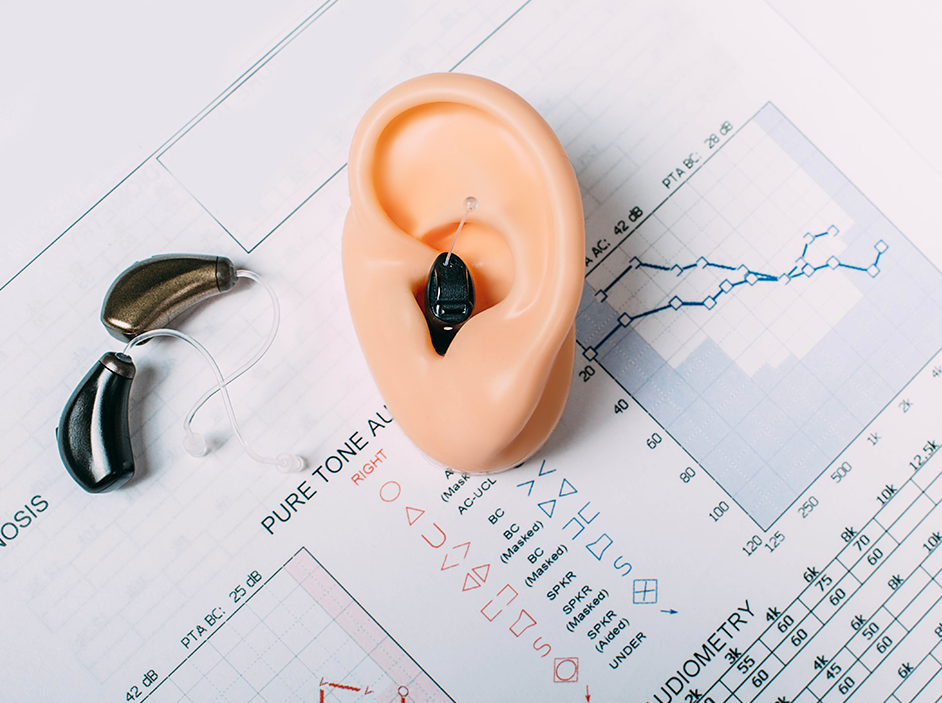
Many people try to guess their hearing problem instead of getting tested. This leads to choosing the wrong device.
A hearing test helps identify your exact hearing level and ensures the device is adjusted correctly. Without it, even an expensive hearing aid may not work properly.
2. Choosing Based Only on Price
Some people buy the cheapest option or assume the most expensive one is the best. Both approaches are wrong.
The right hearing aid depends on your hearing condition, lifestyle, and comfort—not just price.
3. Ignoring Proper Fitting and Adjustment
Hearing aids need proper fitting and tuning to work effectively. Buying without fitting can result in poor sound quality and discomfort.
Professional adjustment ensures the device matches your hearing needs perfectly.
4. Buying Without Expert Guidance
Many people try to buy hearing aids online without understanding their requirements. While online options are convenient, choosing without expert advice can lead to wrong decisions.
Getting professional guidance helps you select the right type and features.
5. Not Considering After-Sales Support
Hearing aids require regular adjustments and servicing. Ignoring after-support can affect long-term performance.
Choosing a provider like SoundX ensures you get continuous support and proper maintenance when needed.
Problems & Solutions
Problem 1: Wrong Device Selection
Solution: Get a proper hearing test and expert advice
Problem 2: Poor Sound Quality
Solution: Ensure correct fitting and tuning
Problem 3: Discomfort While Wearing
Solution: Choose a comfortable design with professional fitting
Problem 4: Confusion Due to Too Many Options
Solution: Focus on your hearing needs, not just features
Problem 5: Device Not Working Properly
Solution: Regular servicing and follow-up
Detailed Comparison Table
| Factor | Wrong Buying Approach | Right Buying Approach |
| Hearing Test | Not done | Properly done |
| Device Selection | Random | Based on hearing level |
| Comfort | Poor | Comfortable fit |
| Sound Quality | Unclear | Clear and natural |
| Support | Limited | Continuous support |
| Long-Term Results | Unsatisfactory | Effective |
Facts vs Myths
Fact: Hearing aids need customization
Myth: One device works for everyone
Fact: Proper fitting improves results
Myth: Expensive devices always work better
Fact: Expert guidance is important
Myth: You can choose on your own easily
Fact: Hearing aids require maintenance
Myth: They work perfectly forever
How to Choose the Right Hearing Aid (Simple Checklist)
Choosing the right hearing aid doesn’t have to be confusing. Instead of focusing only on price or brand, follow this simple checklist to make a better decision.
- Get a proper hearing test before buying
- Understand your hearing loss level
- Choose a device that fits comfortably in your ear
- Look for features like noise reduction and clarity
- Check if after-sales support is available
Taking these steps helps you avoid common mistakes and ensures you select a hearing aid that actually improves your daily life.
What Should You Check Before Buying
- Your hearing test results
- Type of hearing loss
- Comfort and design
- Features like noise reduction
- Availability of after-support
These factors ensure you choose the right device.
Why Professional Guidance Matters
Buying hearing aids is not just about purchasing a product—it’s about improving your hearing experience. A structured approach helps you avoid mistakes and get better results.
Working with experts like SoundX ensures proper testing, fitting, and long-term support, which improves overall satisfaction.
When Is It Safe to Buy Hearing Aids Online?
You can buy hearing aids online safely if:
- You already have a hearing test report
- You understand your hearing needs
- You are guided by professionals
Without these, online buying can lead to poor results.
What Happens If You Choose the Wrong Hearing Aid?
Many people don’t realize the impact of choosing the wrong hearing aid until they start using it. A poor choice can lead to frustration and wasted money.
- You may still struggle to hear conversations clearly
- The device may feel uncomfortable or irritating
- You may stop using it completely
- It can affect your confidence in social situations
This is why expert guidance and proper fitting are so important. Even if you plan to buy hearing aids online, making an informed decision ensures better results and long-term satisfaction.
Bottom Line
Avoiding common mistakes when buying hearing aids can save you time, money, and frustration. The right hearing aid, combined with proper fitting and guidance, can improve your daily life significantly.
Take your time, get proper advice, and choose wisely to get the best results.
FAQs
1. What is the biggest mistake when buying hearing aids?
The biggest mistake is skipping the hearing test. Without proper diagnosis, you may choose the wrong device. This leads to poor results and discomfort.
2. Can I buy hearing aids without a test?
It is not recommended to buy hearing aids without a hearing test. A test helps identify your hearing level and needs. This ensures better performance and comfort.
3. Are expensive hearing aids always better?
No, expensive hearing aids are not always better. The best device depends on your hearing condition and lifestyle. Proper fitting matters more than price.
4. Is it safe to buy hearing aids online?
It can be safe if you have a proper hearing test and expert guidance. Without these, you may choose the wrong device. Always be careful when buying online.
5. How important is fitting in hearing aids?
Fitting is very important for hearing aids. A poorly fitted device will not work properly. Proper adjustment improves sound clarity and comfort.
6. Do hearing aids need maintenance?
Yes, hearing aids require regular cleaning and servicing. Maintenance ensures long-term performance. It also helps avoid technical issues.
7. How long do hearing aids last?
Most hearing aids last 4–6 years with proper care. Regular servicing improves their lifespan. Usage and maintenance also affect durability.
8. Where should I buy hearing aids from?
You should buy hearing aids from a trusted provider with expert support. Proper testing and fitting are important. This ensures better results and satisfaction.
Disclaimer
This blog is for informational purposes only. Hearing aid selection should always be based on professional evaluation and consultation.