Why a Hearing Exam Matters More Than You Think at Any Age
- 20 Dec 2025 3 min read
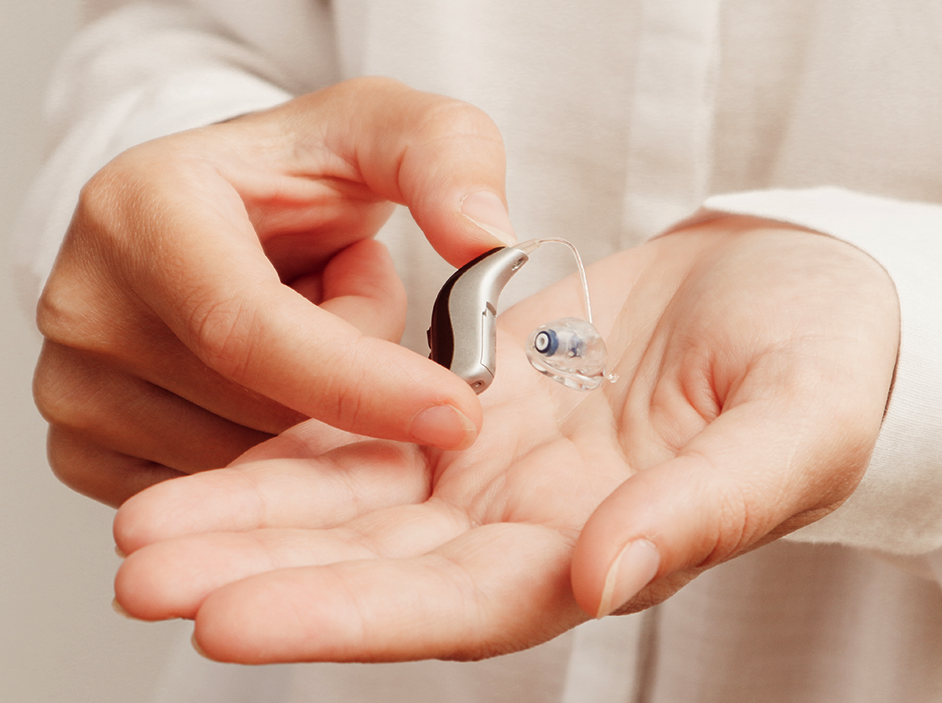
A hearing exam is a safe and preventive health check that helps protect hearing, communication, and brain health when done by a trained hearing professional.
A hearing exam is a safe, painless, and detailed test that checks how well your ears hear sounds and how clearly your brain understands those sounds. It helps find hearing problems early, tells the exact type and level of hearing loss (if any), and guides the right next steps to protect your hearing and daily communication.
Many people think hearing exams are only needed when hearing is badly damaged. The truth is, a hearing exam is a preventive health check, just like an eye test or blood test.
Is a Hearing Exam Safe at Any Age?
Yes, hearing exams are completely safe for children, adults, and seniors. They do not involve pain, injections, or surgery. The tests only require listening to sounds and responding in simple ways.
Hearing exams can be repeated regularly without any health risk and are suitable even for newborns and elderly individuals.
What Is a Hearing Exam in Simple Words?
A hearing exam is a set of tests done by a trained hearing professional called an audiologist. These tests check how sound travels from your ear to your brain.
It helps answer questions like:
- Can you hear soft sounds clearly?
- Can you understand speech, especially in noise?
- Are your ear drum and middle ear working properly?
- Is your hearing problem related to nerves or sound blockage?
A hearing exam does not involve pain, needles, or surgery. You only listen to sounds and respond in simple ways.
Why Hearing Exams Are Extremely Important Today
In today’s world, people are exposed to more noise than ever before. Headphones, traffic, machines, and loud environments slowly damage hearing.
When You Should NOT Delay a Hearing Exam
Do not delay a hearing exam if you:
- Miss words during conversations
- Struggle to hear in noisy places
- Experience ringing or buzzing in the ears
- Increase TV or phone volume often
- Feel listening fatigue or confusion
Early testing helps prevent long-term communication and brain health issues.
Global Hearing Loss Facts You Should Know
- According to the World Health Organization (WHO), over 1.5 billion people worldwide live with some degree of hearing loss.
- Around 430 million people need rehabilitation for disabling hearing loss.
- Nearly 60% of childhood hearing loss is preventable with early testing and care.
- Adults wait an average of 7 to 10 years before getting their first hearing exam after noticing hearing problems.
- Untreated hearing loss is linked to a higher risk of memory problems, depression, and social isolation.
These numbers clearly show that hearing exams are not optional anymore.
How Hearing Loss Affects Daily Life Without You Realizing
Hearing loss usually happens slowly. Many people adjust without noticing.
Common daily problems include:
- Missing parts of conversations
- Difficulty understanding speech in noisy places
- Feeling tired after listening
- Avoiding social gatherings
- Misunderstanding words
- Increasing TV or phone volume
A hearing exam helps identify these problems before they become serious.
Hearing Exams as Preventive Health Care
A hearing exam is not only for people with hearing loss. It is a preventive check that helps detect small changes early, before they affect speech understanding, learning, or social life.
Just like eye and blood tests, hearing exams should be part of routine health care.
Who Should Get a Hearing Exam?
Hearing Exams for Children
Children should have hearing exams if:
- Speech development is slow
- The child does not respond to sounds
- There are learning or attention problems
- There are frequent ear infections
Early hearing exams help prevent speech delay and learning difficulties.
Hearing Exams for Adults
Adults should consider hearing exams if they:
- Work in noisy environments
- Use headphones daily
- Feel ringing in the ears
- Struggle to understand speech
Even adults with no symptoms should test hearing once every 5–10 years.
Hearing Exams for Seniors
After age 50, hearing exams should be done every 2–3 years. Early detection helps maintain independence and brain health.
Types of Hearing Exams Explained in Easy Language
Pure Tone Hearing Test
This test checks the softest sounds you can hear at different pitches.
How it works:
- You wear headphones
- You hear beeping sounds
- You respond when you hear them
This test shows:
- Degree of hearing loss
- Which ear is affected
- Severity level
Speech Hearing Test
This test checks how clearly you understand spoken words.
Why it matters:
- Many people hear sound but don’t understand words
- Speech clarity is more important than volume
You repeat words spoken at different loudness levels.
Tympanometry Test
This test checks how your ear drum moves.
It helps detect:
- Fluid behind the ear drum
- Middle ear infection
- Blocked ear pressure
You do not need to respond during this test.
Otoacoustic Emissions (OAE) Test
This test checks inner ear function.
Used mainly for:
- Newborn babies
- Small children
- Adults who cannot respond
It shows if the cochlea is working properly.
Auditory Brainstem Response (ABR) Test
This test checks how sound signals travel from ear to brain.
Small sensors are placed on the head.
It helps detect:
- Nerve-related hearing problems
- Brain signal delays
Step-by-Step Process of a Hearing Exam
Step 1: Hearing History Discussion
The audiologist asks about:
- Hearing difficulties
- Ear pain or ringing
- Medical history
- Noise exposure
This helps plan the right tests.
Step 2: Physical Ear Examination
The ear canal is checked for:
- Ear wax
- Infection
- Blockage
Sometimes hearing loss is only due to wax.
Step 3: Hearing Testing in a Quiet Room
You sit comfortably and follow simple instructions.
The tests are relaxed and stress-free.
Step 4: Explanation of Results
The audiologist explains:
- What the results mean
- How hearing affects daily life
- What steps are needed next
What a Hearing Exam Does NOT Do
A hearing exam:
- Does not cause pain
- Does not damage hearing
- Does not force you to buy hearing aids
- Does not involve surgery
It only provides clear information about your hearing health.
Understanding Your Hearing Test Report (Audiogram Explained Simply)
An audiogram is a hearing chart.
It shows:
- Loudness on one side
- Pitch on the other side
Results may show:
- Normal hearing
- Mild hearing loss
- Moderate hearing loss
- Severe hearing loss
The audiologist explains this in everyday language.
Common Causes of Hearing Problems Found During a Hearing Exam
A hearing exam does not only tell whether you have hearing loss. It also helps identify why hearing problems are happening. Understanding the cause is very important for choosing the right solution.
Common causes include long-term noise exposure, such as loud music, traffic, or machines. Earwax blockage is another very common reason and can reduce hearing suddenly. Some people develop hearing problems due to repeated ear infections or fluid buildup behind the eardrum. Age-related changes in the inner ear are also a frequent cause, especially after the age of 50.
In some cases, hearing exams also detect nerve-related issues, where sound reaches the ear but does not travel properly to the brain. Identifying the cause early helps prevent further damage and improves long-term hearing outcomes.
Different Types of Hearing Loss Explained Simply
Hearing exams help identify which type of hearing loss a person has. This is important because each type is managed differently.
- Conductive hearing loss happens when sound cannot travel properly through the outer or middle ear. This is often caused by earwax, fluid, or ear infections and may be temporary.
- Sensorineural hearing loss occurs when the inner ear or hearing nerve is damaged. This type is usually permanent and common with aging or noise exposure.
- Mixed hearing loss is a combination of both conductive and sensorineural hearing loss.
Knowing the exact type helps audiologists recommend the correct treatment or hearing support.
Detailed Comparison Table: Normal Hearing vs Different Levels of Hearing Loss
| Aspect | Normal Hearing | Mild Hearing Loss | Moderate Hearing Loss | Severe Hearing Loss |
| Ability to hear soft sounds | Can hear whispers and soft sounds clearly | Soft sounds like whispers may be missed | Most soft sounds are missed | Almost all soft sounds are missed |
| Understanding speech in quiet | Very clear and easy | Mostly clear but some words missed | Speech sounds unclear without effort | Speech very difficult to understand |
| Understanding speech in noise | Comfortable and clear | Difficult in noisy places | Very difficult in noise | Almost impossible without support |
| TV and mobile volume | Normal volume is enough | Slightly higher volume needed | Much higher volume needed | Very high volume needed |
| Phone call clarity | Clear and comfortable | Some words unclear | Frequent misunderstandings | Calls very hard without help |
| Listening effort | Relaxed listening | Slightly tiring | Very tiring | Extremely tiring |
| Social interaction | Confident and active | Occasional hesitation | Avoids group conversations | Often avoids social situations |
| Impact on daily life | No impact | Mild inconvenience | Affects work and social life | Strong impact on daily activities |
| Brain effort | Normal brain effort | Brain works a little harder | Brain works much harder | High mental strain |
| Need for hearing support | Not required | Sometimes helpful | Often recommended | Strongly recommended |
Facts and Myths About Hearing Exams
Myth: Hearing exams are painful
Fact: Hearing exams are completely painless and safe.
Myth: Only old people need hearing exams
Fact: Hearing loss can happen at any age.
Myth: Hearing loss is always permanent
Fact: Some hearing problems are treatable if found early.
Myth: Online tests are enough
Fact: Only professional exams give accurate diagnosis.
Hearing Exams and Brain Health
Hearing loss affects the brain because sound stimulation reduces.
Research shows:
- Hearing loss increases mental fatigue
- Brain works harder to understand speech
- Untreated loss increases memory decline risk
Hearing exams help protect long-term brain health.
How Hearing Exams Help Improve Speech and Communication
Hearing is not just about sound. It is closely connected to speech understanding and communication skills. A hearing exam checks how clearly you understand words, not just how loud sounds are.
When hearing problems are detected early, people can avoid misunderstandings, repeated conversations, and listening fatigue. Children benefit by developing clearer speech and better classroom attention. Adults feel more confident in meetings, phone calls, and social gatherings.
By improving hearing clarity, hearing exams support better relationships, learning, and daily communication.
Hearing Exams for People Using Headphones and Earbuds
Many people today use headphones or earbuds for long hours. This increases the risk of gradual hearing damage, especially at high volumes.
Hearing exams help identify early signs of headphone-related hearing loss, even before major symptoms appear. Audiologists can also guide safe listening habits, such as volume limits and listening breaks.
Regular hearing exams are strongly recommended for people who use earphones daily, especially students, office workers, and music listeners.
Real Expertise: How Audiologists Analyze Results
Experienced audiologists look beyond numbers.
They consider:
- Speech understanding
- Listening effort
- Lifestyle needs
- Communication goals
This expert approach ensures personalized care, not generic advice.
Role of Hearing Exams in Workplace Safety
Hearing exams are important for people working in noisy environments like factories, construction sites, airports, or workshops. Continuous noise exposure can damage hearing without pain or warning.
Workplace hearing exams help:
- Detect early noise-induced hearing loss
- Protect employees from long-term damage
- Ensure safety by improving sound awareness
Regular testing helps workers hear warning signals and communicate clearly, reducing accident risks.
How Often Should You Get a Hearing Exam?
- Children: As advised during development
- Adults (18–50): Every 5–10 years
- Adults (50+): Every 2–3 years
- Noise exposure or symptoms: Immediately
Hearing Exams for Old Age, Working Adults, and Children
- Children: Support speech, learning, and classroom focus
- Working Adults: Prevent noise-related hearing damage
- Old Age: Maintain communication, safety, and brain health
Regular hearing exams support quality of life at every stage.
Emotional and Social Benefits of Regular Hearing Exams
Hearing problems do not only affect ears. They also affect emotions and social life. People with untreated hearing loss often feel frustrated, embarrassed, or isolated.
Hearing exams help people regain confidence by identifying problems early. Better hearing improves social participation, emotional balance, and overall happiness. People feel more comfortable talking to family, friends, and colleagues.
Maintaining good hearing health supports mental well-being and quality of life.
How to Prepare for a Hearing Exam
Preparation is simple:
- Avoid loud noise before testing
- Sleep well
- Inform about medications
- Avoid earphones before the test
What Happens After a Hearing Exam?
Based on results, you may be advised:
- No treatment needed
- Regular monitoring
- Medical referral
- Hearing support options
Early action improves outcomes.
Hearing Exams and Early Detection of Tinnitus
Many people experience ringing, buzzing, or hissing sounds in the ears, known as tinnitus. A hearing exam helps identify whether tinnitus is linked to hearing loss or ear damage.
Early hearing evaluation helps manage tinnitus more effectively by addressing the root cause. Audiologists can suggest strategies to reduce discomfort and improve sound tolerance.
Ignoring tinnitus without a hearing exam may allow the condition to worsen over time.
Why Professional Hearing Exams Are Better Than Online Tests
Online tests cannot:
- Check ear health
- Measure speech clarity properly
- Detect nerve problems
Professional exams give complete and reliable results.
The Long-Term Benefits of Regular Hearing Exams
Regular hearing exams help:
- Maintain communication
- Reduce listening stress
- Improve confidence
- Support brain health
- Protect quality of life
Why Choosing the Right Hearing Care Center Matters
The accuracy of a hearing exam depends on both equipment and professional expertise. A well-equipped hearing care center uses calibrated machines, sound-treated rooms, and trained audiologists.
Choosing the right center ensures reliable results, proper explanation, and suitable guidance. This makes the hearing exam more useful and trustworthy.
Centers like SoundX focus on clear testing, patient comfort, and easy explanations, making hearing exams stress-free for all age groups.
Final Thoughts on Protecting Your Hearing Health
A hearing exam is one of the easiest and most important steps you can take to protect your overall health. It helps you stay connected to conversations, warning sounds, and everyday moments that matter. When hearing problems are found early, they are much easier to manage and less likely to affect your confidence, learning, or relationships.
Regular hearing exams support clear communication, better focus, and long-term brain health at every age. Whether you are a child, adult, or senior, checking your hearing on time helps you enjoy life fully and prevents small hearing issues from turning into bigger problems later on.
Frequently Asked Questions :
1. Is a hearing exam painful?
No, a hearing exam is completely painless and safe. You only need to listen to different sounds and respond by raising your hand, pressing a button, or repeating words. There are no needles, no medicines, and no surgical procedures involved at any stage of the test.
2. How long does a hearing exam take?
A hearing exam usually takes between 20 and 40 minutes to complete. The exact time depends on the number of tests needed and how detailed the evaluation is. Some advanced tests may take a little longer, especially if speech or nerve testing is required.
3. Can children take a hearing exam?
Yes, hearing exams are completely safe for children of all ages. Audiologists use special child-friendly methods like play-based listening tests to keep kids comfortable and relaxed. Early hearing exams help identify problems before they affect speech, learning, or school performance.
4. Do I need a doctor’s referral for a hearing exam?
In most cases, you do not need a doctor’s referral to get a hearing exam. You can directly visit a qualified hearing care professional or audiologist for testing. However, if a medical issue is suspected, you may be referred to an ear specialist later.
5. What if hearing loss is found?
If hearing loss is detected, the audiologist carefully explains the type and level of hearing loss in simple terms. You will be guided about possible solutions such as monitoring, medical treatment, or hearing support options. The goal is to improve daily communication and quality of life.
6. Are hearing exams accurate?
Yes, professional hearing exams are highly accurate when done in a sound-treated room by trained audiologists. These tests measure both hearing ability and speech understanding using proven medical equipment. The results provide a clear and reliable picture of your hearing health.
7. Can hearing improve after an exam?
Some hearing problems, such as ear wax blockage or middle ear infections, can improve with proper treatment. Permanent hearing loss cannot be reversed, but it can be managed very well with early care and the right hearing support. A hearing exam helps find the best solution.
8. At what age should hearing exams start?
Hearing exams can start from birth if there is any concern about hearing. Early testing helps detect hearing issues before they affect speech, language, and learning development. Regular hearing exams at different life stages help maintain good hearing health over time.